Hair Loss After High Fever: Timeline, Causes & Solutions
BY TRYBELLO
Mar 19, 2026

Key Takeaways
- Hair loss after a high fever is a recognized medical condition called telogen effluvium, and it can affect people who experience a fever above 102.5°F (39.2°C), particularly when the fever is high-grade and prolonged.
- The shedding does not happen immediately. Most people notice hair loss 8 to 12 weeks after the fever, which makes it easy to miss the connection.
- The hair growth cycle is directly disrupted by fever-related stress, cortisol spikes, and inflammatory cytokines, all of which prematurely push hair follicles into a resting phase.
- In most cases, full hair regrowth is possible within 3 to 6 months, especially with targeted nutritional support and proper scalp care.
- Trybello Hair Helper Spray delivers direct scalp support during the regrowth phase. Our natural formulation of biotin, caffeine, castor oil, and rice replenishes what fever depletes at the follicle level, with visible results possible in as little as 8 weeks.
High Fever Can Trigger Hair Loss Weeks Later & it's Normal
You survived the fever, but now your hair is falling out in clumps — weeks later. This delayed reaction is exactly what makes post-fever hair loss so confusing and distressing. But this is a normal clinical condition called telogen effluvium.
The hair follicle operates on a cycle: growth (anagen), transition (catagen), and rest (telogen). Under normal conditions, roughly 85 to 90% of your hair is in the active growth phase at any given time. A high fever acts as a physiological shock, abruptly pushing a large percentage of follicles out of the growth phase and into the resting phase. The result is a synchronized mass shedding event that begins weeks after the original stressor, clinically tagged telogen effluvium.
Understanding the connection between high fever and telogen effluvium is the first step to stopping the panic and starting the recovery. This guide breaks down the exact timeline, the biological reasons behind the shedding, and the most effective steps you can take to support healthy regrowth.
“Doctor-Approved Natural Spray Rapidly Boosts Growth & Thickness.
Why 100,000+ Women Are Switching to Trybello!"
Join over 100,000 happy customers who've transformed their hair with our doctor-formulated spray in just 12 weeks, rated 4.8/5 by 40,000+ real users.
Proven Natural Ingredients
- • Caffeine Extract – Blocks DHT and boosts blood flow to follicles
- • Biotin – Direct scalp absorption, no pills needed
- • Castor Oil – Soothes inflammation and locks in moisture
- • Rice Water Extract – Strengthens hair and reduces shedding
120-Day Growth Guarantee: No results? 100% money back, no questions asked.


The Timeline of Hair Loss After a High Fever

One of the most important things to understand about post-fever hair loss is that it follows a predictable pattern. Knowing this timeline can prevent unnecessary panic and help you intervene at the right time.
Week 1 to 4: What Happens Inside the Follicle
During the fever itself and the weeks immediately following, damage to the hair cycle occurs silently beneath the scalp. Physiological stress signals, elevated cortisol, inflammatory cytokines, and nutrient redirection push a significant number of anagen (growth-phase) follicles into the telogen (resting) phase.
You will not see any shedding yet. Your hair may even appear completely normal. This is the phase where early nutritional intervention can potentially soften the severity of the shedding to come.
Week 6 to 12: When Shedding Becomes Noticeable
Around the six-week mark, the telogen follicles that were pushed into rest during the fever begin to shed the hair shaft they were holding. This is when most people start noticing something is wrong. You might find significantly more hair than usual on your pillow in the morning, clumps in the shower drain, or excessive strands on your hairbrush after a single pass.
Note that this shedding is not the hair follicle dying; it is the follicle releasing an old hair shaft to make way for a new one. The alarming volume of shedding results from synchronized timing, not widespread follicle destruction. However, this does not make it any less emotionally difficult, and early action during this phase can support the regrowth process.
Months 3 to 6: The Regrowth Phase
By the third month, the peak shedding typically begins to slow. If you look closely at your scalp around this time, you may notice short, fine strands of new hair emerging, particularly along the hairline and crown. These baby hairs are a reliable sign that your follicles are cycling back into the anagen (growth) phase.
Full density restoration can take anywhere from 3 to 6 months, and in some cases up to a year, depending on overall health, nutritional status, and whether any compounding factors, such as chronic stress or hormonal imbalance, are present.
Why Does Fever Cause Hair Loss?

Fever does not damage hair follicles directly. Instead, it triggers a cascade of internal biological responses that collectively disrupt the hair growth cycle.
Elevated Cortisol & Hormonal Disruption
When the body is under the physical stress of a high fever, cortisol, the primary stress hormone, surges. Elevated cortisol interferes directly with the hair growth cycle by signaling hair follicles to exit the anagen phase prematurely.
Research has shown that cortisol can suppress the activity of dermal papilla cells, which regulate hair follicle function and initiate new growth cycles. High cortisol tells your hair follicles to shut down and wait until the crisis is over.
Beyond cortisol, fever-related illness can also temporarily disrupt thyroid hormone levels and sex hormone balance, both of which play significant roles in maintaining healthy hair cycles. Even short-term hormonal fluctuations during a severe illness can be enough to push susceptible follicles into premature rest.
Pro-Inflammatory Cytokines & Hair Follicle Damage
When your immune system fights an infection, it releases signaling proteins called cytokines to coordinate the attack. While these cytokines are essential for recovery, certain pro-inflammatory types, particularly tumor necrosis factor-alpha (TNF-α) and interleukin-6 (IL-6), have been shown to negatively affect hair follicle biology.
These inflammatory molecules can disrupt the hair follicle's immune privilege, a protective mechanism that normally keeps follicles shielded from immune activity. When that protection breaks down, follicles become vulnerable to premature regression.
Nutritional Deficiencies That Accelerate Shedding
A high fever significantly increases the body's metabolic rate. This means the body burns through nutrients at an accelerated pace precisely when nutrient intake is often at its lowest; most people eat far less when they are sick. The nutrients most critical to hair growth are frequently the first to become depleted during illness.
Zinc plays a direct role in hair tissue growth and repair, while protein provides the amino acids, especially L-cysteine, that form the structural backbone of the hair shaft itself. When these building blocks run low, the body has little choice but to prioritize other functions over hair production.
Solutions & Treatments That Support Hair Regrowth
Key Nutrients to Rebuild Hair After Illness
Replenishing the nutrients depleted during a fever is one of the most impactful steps you can take. The following nutrients have direct, evidence-supported roles in hair follicle function and recovery:
- Iron and Ferritin: Low ferritin (stored iron) is strongly associated with telogen effluvium. Aim to restore ferritin levels above 50–60 ng/mL to support optimal hair regrowth. Food sources include red meat, lentils, and spinach. Consider getting a ferritin blood test before supplementing.
- Zinc: Supports the structural integrity of the hair follicle and helps regulate the hair growth cycle. Foods rich in zinc include pumpkin seeds, oysters, and chickpeas.
- Biotin (Vitamin B7): Essential for keratin infrastructure production. While outright biotin deficiency is rare, illness-related depletion can create a gap that warrants attention.
- Omega-3 Fatty Acids: Help reduce scalp inflammation and support follicle health. Found in fatty fish like salmon, as well as flaxseeds and walnuts.
Scalp Care Practices That Accelerate Recovery

What you apply to your scalp during recovery matters just as much as what you eat.
Scalp health directly affects the environment in which new hair follicles grow, and several practices can meaningfully support regrowth. Gentle scalp massage for 4 minutes daily has been shown in research to increase hair thickness over time by stimulating blood flow to the dermal papilla cells.
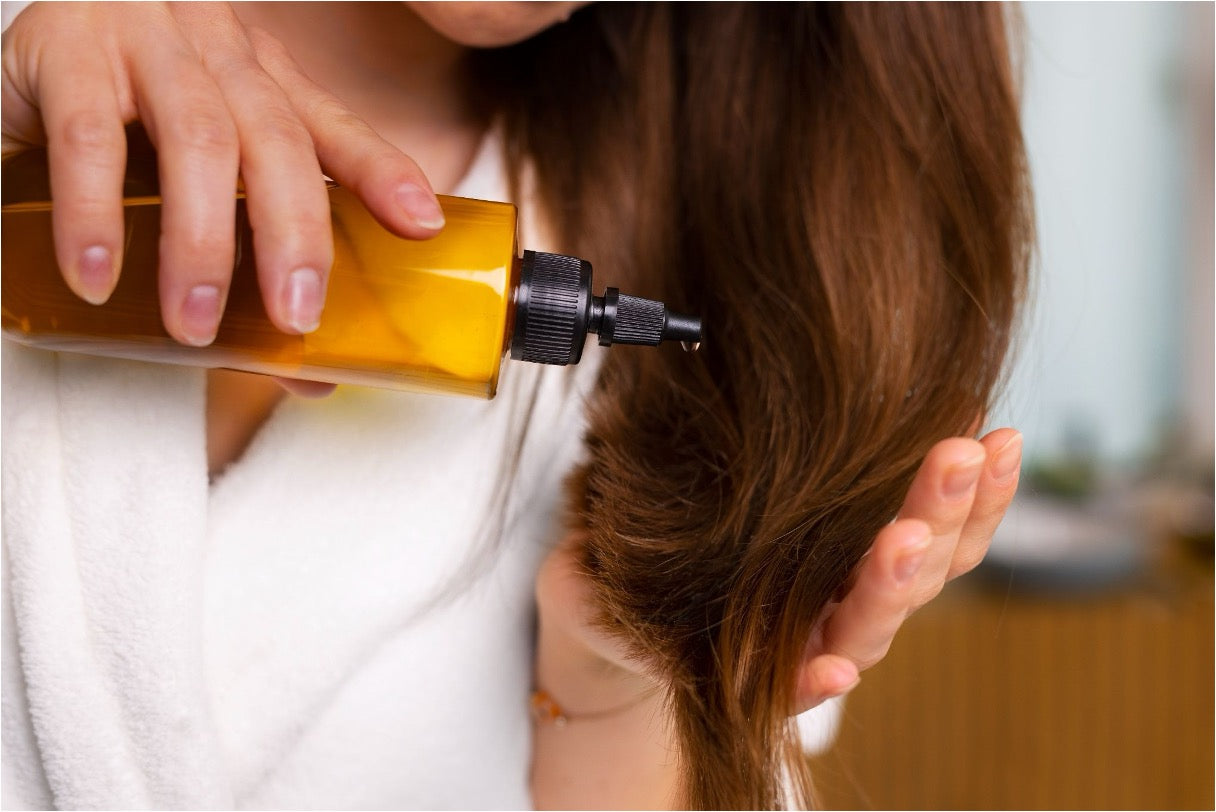
Use a sulfate-free, non-stripping shampoo to avoid further stressing already fragile hair shafts during the shedding phase. Using topically applied serums such as the Trybello Hair Helper Spray can also support the regrowth process. Try incorporating it early, before shedding becomes severe.
Your Fever Is Over: Let Trybello Help Your Hair Catch Up
Your body fought hard through that fever, and it won. But the aftermath left behind on your scalp is a real and frustrating reminder of how hard that fight was. If your fever was the stressor, time and the right support are the solution. Most people recover fully within 3 to 6 months, and what happens in the first few weeks of recovery matters. The TryBello Hair Helper Spray is a direct response to exactly what fever takes from your follicles.

No hormones, silicones, or parabens, our Trybello Hair Helper Spray contains just clean, clinically studied botanicals working in sync with your body's natural recovery.
The Biotin in our formula steps in to restore the keratin production chain disrupted by fever-related depletion, giving each new strand the structural foundation it needs to grow strong. Castor oil helps rebalance the scalp environment, reducing inflammation that lingers long after the fever breaks.
Caffeine acts like a wake-up call to dormant follicles, increasing circulation to your hair follicles so the nutrients your body has worked hard to restore actually reach the cells that need them. Rice seals the process by coating and protecting each fragile emerging strand against breakage during the vulnerable early regrowth phase.
Applying it takes moments; part your hair, spray directly onto your thinnest areas, massage for 1 to 2 minutes, then either rinse after 30 minutes or style as usual. Do this twice daily, and the timeline speaks for itself: softer, hydrated hair by week two, reduced shedding by week four, and new baby strands beginning to appear by week eight.
Your follicles are ready to grow again. Trybello Hair Helper Spray makes sure your scalp is ready to meet them.
Frequently Asked Questions (FAQs)

Trending Topics




*Disclaimer: Individual results may vary. The information provided in this article is for educational purposes only and is not intended as medical advice. Consult a healthcare professional before starting any new hair or lash care regimen, especially if you have sensitivities or underlying health conditions. Product pricing is subject to change. For full terms, visit Trybello.com.

See our latests posts #TRYBELLO