What Factors Influence Hair Growth & Hair Loss?
Unlocking Hair Growth Secrets
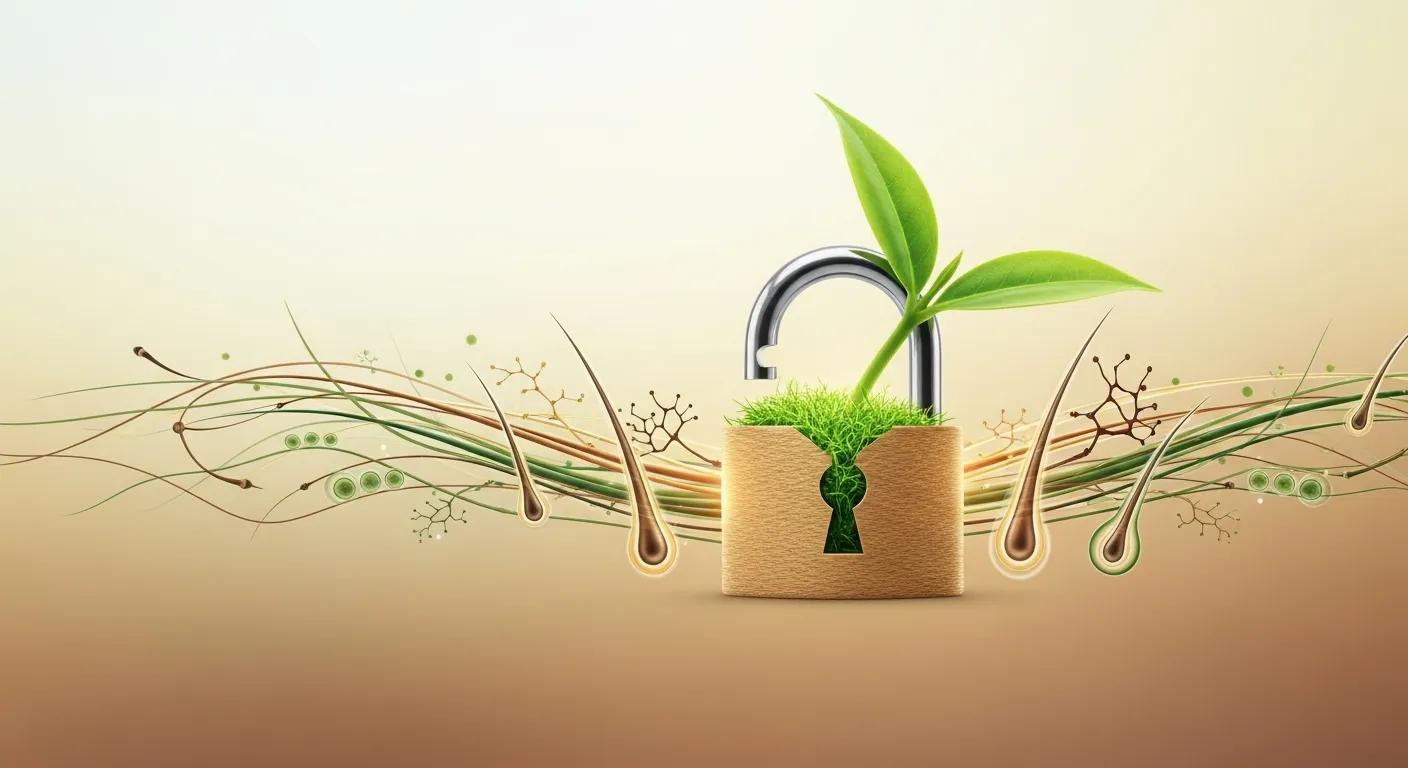
Hair growth and loss are complex biological processes influenced by a variety of factors. Understanding these factors is crucial for anyone looking to maintain healthy hair or address hair loss issues. This comprehensive guide will explore the main causes of hair loss, including genetics, hormonal changes, nutritional deficiencies, stress, and scalp health. By identifying these factors, readers can take proactive steps to support hair growth and overall hair health. We will also discuss effective natural solutions and treatments, including products from Bello, that can help mitigate hair loss and promote growth.
What Are the Main Causes of Hair Loss and How Do They Affect Hair Growth?
Hair loss can stem from multiple causes, each affecting hair growth in different ways. The primary factors include genetics, hormonal changes, nutritional deficiencies, and environmental influences. Understanding these causes is essential for developing effective strategies to combat hair loss and promote healthy hair growth.
Scientific literature further elaborates on the diverse array of factors that can contribute to hair loss, encompassing both internal and external influences.
Comprehensive Causes of Hair Loss: Genetics, Nutrition, Hormones, Stress
Hair loss can happen due to many variables, such as genetic factors or predisposition, vitamin and mineral deficiencies, skin problems, hair growth disorders, poor diet, hormonal problems, certain internal diseases, drug use, stress and depression, cosmetic factors, childbirth, and the chemotherapy process.
An overview of the genetic aspects of hair loss and its connection with nutrition, S Kenanoglu, 2022
How Does Genetics Influence Hair Loss and Hair Growth?
Genetics plays a significant role in hair health, with hereditary patterns determining the likelihood of hair loss. Conditions such as androgenetic alopecia, commonly known as male or female pattern baldness, are directly linked to genetic predisposition. Genetic testing can help individuals understand their risk and tailor their hair care strategies accordingly. By recognizing hereditary patterns, individuals can take preventive measures to maintain their hair health.
Research provides deeper insights into the specific genetic and hormonal mechanisms underlying conditions like androgenetic alopecia.
Androgenetic Alopecia: Genetics, Hormones, & Follicle Miniaturization
Androgenetic alopecia occurs in men and women, and is characterised by the loss of hair from the scalp in a defined pattern. Determining factors appear to be genetic predisposition coupled with the presence of sufficient circulating androgens. The prevalence of this condition is high (up to 50% of white males are affected by 50 years of age) and, although there are no serious direct health consequences, the loss of scalp hair can be distressing. Knowledge of the pathogenesis of androgenetic alopecia has increased markedly in recent years. Pre-programmed follicles on the scalp undergo a transformation from long growth (anagen) and short rest (telogen) cycles, to long rest and short growth cycles. This process is coupled with progressive miniaturisation of the follicle. These changes are androgen dependent, and require
Androgenetic alopecia: pathogenesis and potential for therapy, JA Ellis, 2002
What Role Do Hormones Play in Hair Loss and Growth?
Hormones significantly impact hair follicles and their growth cycles. For instance, dihydrotestosterone (DHT), a derivative of testosterone, is known to shrink hair follicles, leading to hair thinning and loss. Hormonal imbalances, particularly during puberty, pregnancy, or menopause, can exacerbate hair loss. Understanding these hormonal influences can help individuals manage their hair health more effectively.
How Do Nutritional Deficiencies Impact Hair Health and Growth?
Nutrition is a critical component of hair health. Deficiencies in essential vitamins and minerals can lead to weakened hair and increased shedding. A balanced diet rich in nutrients is vital for maintaining healthy hair growth.
Experts emphasize the critical role of a thorough assessment for nutritional deficiencies when addressing concerns about hair loss.
Nutritional Deficiencies as a Cause of Hair Loss
Patients presenting with hair loss should be screened by medical history, dietary history and physical exam for risk factors for nutrient deficiency. If warranted, laboratory studies may be performed. In patients with no risk factors, further laboratory evaluation searching for nutritional deficiencies is not warranted. For patients with nutritional deficiencies, it is clear that those deficiencies should be corrected.
Diet and hair loss: effects of nutrient deficiency and supplement use, 2017
Which Vitamins and Minerals Are Essential for Healthy Hair?
- Biotin: Supports keratin production, essential for hair structure.
- Vitamin D: Plays a role in hair follicle cycling and growth.
- Zinc: Aids in tissue growth and repair, crucial for hair health.
How Can Diet Improve Hair Growth and Prevent Hair Loss?
A well-rounded diet can improve hair health and prevent loss. Foods rich in protein, healthy fats, and vitamins should be prioritized. For example, incorporating fish, nuts, leafy greens, and whole grains can provide the necessary nutrients for optimal hair growth. Additionally, staying hydrated is essential for maintaining hair moisture and preventing dryness.
Can Stress Cause Hair Loss and What Are the Underlying Mechanisms?
Stress is a well-documented factor that can lead to hair loss. The mechanisms behind this connection involve various physiological responses that affect hair follicles.
What Is Telogen Effluvium and How Is It Related to Stress?
Telogen effluvium is a condition where stress triggers a significant number of hair follicles to enter the resting phase, leading to increased shedding. This condition can occur after traumatic events, illness, or significant lifestyle changes. Recognizing the signs of telogen effluvium can help individuals seek timely interventions to support hair regrowth.
How Can Stress Management Support Hair Regrowth?
Effective stress management techniques can support hair regrowth by reducing the physiological impacts of stress on the body. Practices such as mindfulness, yoga, and regular physical activity can help mitigate stress levels. By incorporating these techniques into daily routines, individuals can create a more conducive environment for hair growth.
Why Is Scalp Health Crucial for Hair Growth and How Can It Be Optimized?
Scalp health is a fundamental aspect of hair growth that is often overlooked. A healthy scalp provides the ideal environment for hair follicles to thrive.
How Does Scalp Condition Affect Hair Follicle Function?
The condition of the scalp directly influences hair follicle function. A clean and well-moisturized scalp promotes better blood circulation and nutrient delivery to hair follicles. Conversely, conditions such as dandruff or scalp psoriasis can hinder hair growth. Regular scalp care, including cleansing and moisturizing, is essential for maintaining optimal hair health.
What Natural Ingredients Promote a Healthy Scalp?
- Tea Tree Oil: Known for its antifungal and antibacterial properties, it helps combat dandruff.
- Aloe Vera: Soothes the scalp and provides hydration.
- Peppermint Oil: Stimulates blood flow to the scalp, potentially promoting hair growth.
What Is the Hair Growth Cycle and How Does It Influence Hair Loss?
Understanding the hair growth cycle is crucial for addressing hair loss effectively. The cycle consists of three main phases: anagen, catagen, and telogen.
What Are the Phases of the Hair Growth Cycle?
- Anagen Phase: The active growth phase where hair follicles produce new hair. This phase can last several years.
- Catagen Phase: A short transitional phase lasting a few weeks where hair growth slows and follicles shrink.
- Telogen Phase: The resting phase lasting a few months where hair falls out, making way for new growth.
How Do Disruptions in the Hair Cycle Lead to Hair Loss?
Disruptions in the hair growth cycle can result from various factors, including stress, hormonal changes, and nutritional deficiencies. For instance, prolonged stress can push more hair follicles into the telogen phase, leading to increased shedding. Addressing these disruptions through lifestyle changes and proper nutrition can help restore a healthy hair growth cycle.
What Effective Natural Solutions and Treatments Support Hair Growth?
Natural solutions and treatments can effectively support hair growth and combat hair loss. These solutions often focus on nourishing the hair and scalp while addressing underlying causes.
How Do Bello’s Natural Hair Care Products Address Hair Loss Factors?
Bello offers a range of natural hair care products designed to support hair growth and health. Products like the Bello Hair Helper Spray and Trybello Hair Growth Shampoo are formulated with ingredients that nourish the scalp and strengthen hair follicles. These products can be integrated into daily routines to enhance hair health and mitigate loss.
What Lifestyle Changes Complement Hair Growth Treatments?
- Regular Exercise: Improves blood circulation, promoting nutrient delivery to hair follicles.
- Adequate Sleep: Supports overall health and hormonal balance, which is crucial for hair growth.
- Hydration: Ensures hair remains moisturized and healthy.
By combining these lifestyle changes with effective hair care products, individuals can create a holistic approach to hair health.
| Product | Key Ingredients | Benefits |
|---|---|---|
| Bello Hair Helper Spray | Biotin, Aloe Vera | Strengthens hair, promotes growth |
| Trybello Hair Growth Shampoo | Natural Oils, Vitamins | Nourishes scalp, enhances hair health |
| Bello Hair Growth Conditioner | Keratin, Essential Oils | Moisturizes hair, reduces breakage |
This table highlights how Bello's products can effectively address various factors influencing hair growth and loss, providing users with a comprehensive solution for their hair care needs.
Unlocking Hair Growth Secrets
Hair growth and loss are complex biological processes influenced by a variety of factors. Understanding these factors is crucial for anyone looking to maintain healthy hair or address hair loss issues. This comprehensive guide will explore the main causes of hair loss, including genetics, hormonal changes, nutritional deficiencies, stress, and scalp health. By identifying these factors, readers can take proactive steps to support hair growth and overall hair health. We will also discuss effective natural solutions and treatments, including products from Bello, that can help mitigate hair loss and promote growth.
What Are the Main Causes of Hair Loss and How Do They Affect Hair Growth?
Hair loss can stem from multiple causes, each affecting hair growth in different ways. The primary factors include genetics, hormonal changes, nutritional deficiencies, and environmental influences. Understanding these causes is essential for developing effective strategies to combat hair loss and promote healthy hair growth.
Scientific literature further elaborates on the diverse array of factors that can contribute to hair loss, encompassing both internal and external influences.
Comprehensive Causes of Hair Loss: Genetics, Nutrition, Hormones, Stress
Hair loss can happen due to many variables, such as genetic factors or predisposition, vitamin and mineral deficiencies, skin problems, hair growth disorders, poor diet, hormonal problems, certain internal diseases, drug use, stress and depression, cosmetic factors, childbirth, and the chemotherapy process.
An overview of the genetic aspects of hair loss and its connection with nutrition, S Kenanoglu, 2022
How Does Genetics Influence Hair Loss and Hair Growth?
Genetics plays a significant role in hair health, with hereditary patterns determining the likelihood of hair loss. Conditions such as androgenetic alopecia, commonly known as male or female pattern baldness, are directly linked to genetic predisposition. Genetic testing can help individuals understand their risk and tailor their hair care strategies accordingly. By recognizing hereditary patterns, individuals can take preventive measures to maintain their hair health.
Research provides deeper insights into the specific genetic and hormonal mechanisms underlying conditions like androgenetic alopecia.
Androgenetic Alopecia: Genetics, Hormones, & Follicle Miniaturization
Androgenetic alopecia occurs in men and women, and is characterised by the loss of hair from the scalp in a defined pattern. Determining factors appear to be genetic predisposition coupled with the presence of sufficient circulating androgens. The prevalence of this condition is high (up to 50% of white males are affected by 50 years of age) and, although there are no serious direct health consequences, the loss of scalp hair can be distressing. Knowledge of the pathogenesis of androgenetic alopecia has increased markedly in recent years. Pre-programmed follicles on the scalp undergo a transformation from long growth (anagen) and short rest (telogen) cycles, to long rest and short growth cycles. This process is coupled with progressive miniaturisation of the follicle. These changes are androgen dependent, and require
Androgenetic alopecia: pathogenesis and potential for therapy, JA Ellis, 2002
What Role Do Hormones Play in Hair Loss and Growth?
Hormones significantly impact hair follicles and their growth cycles. For instance, dihydrotestosterone (DHT), a derivative of testosterone, is known to shrink hair follicles, leading to hair thinning and loss. Hormonal imbalances, particularly during puberty, pregnancy, or menopause, can exacerbate hair loss. Understanding these hormonal influences can help individuals manage their hair health more effectively.
How Do Nutritional Deficiencies Impact Hair Health and Growth?
Nutrition is a critical component of hair health. Deficiencies in essential vitamins and minerals can lead to weakened hair and increased shedding. A balanced diet rich in nutrients is vital for maintaining healthy hair growth.
Experts emphasize the critical role of a thorough assessment for nutritional deficiencies when addressing concerns about hair loss.
Nutritional Deficiencies as a Cause of Hair Loss
Patients presenting with hair loss should be screened by medical history, dietary history and physical exam for risk factors for nutrient deficiency. If warranted, laboratory studies may be performed. In patients with no risk factors, further laboratory evaluation searching for nutritional deficiencies is not warranted. For patients with nutritional deficiencies, it is clear that those deficiencies should be corrected.
Diet and hair loss: effects of nutrient deficiency and supplement use, 2017
Which Vitamins and Minerals Are Essential for Healthy Hair?
- Biotin: Supports keratin production, essential for hair structure.
- Vitamin D: Plays a role in hair follicle cycling and growth.
- Zinc: Aids in tissue growth and repair, crucial for hair health.
How Can Diet Improve Hair Growth and Prevent Hair Loss?
A well-rounded diet can improve hair health and prevent loss. Foods rich in protein, healthy fats, and vitamins should be prioritized. For example, incorporating fish, nuts, leafy greens, and whole grains can provide the necessary nutrients for optimal hair growth. Additionally, staying hydrated is essential for maintaining hair moisture and preventing dryness.
Can Stress Cause Hair Loss and What Are the Underlying Mechanisms?
Stress is a well-documented factor that can lead to hair loss. The mechanisms behind this connection involve various physiological responses that affect hair follicles.
What Is Telogen Effluvium and How Is It Related to Stress?
Telogen effluvium is a condition where stress triggers a significant number of hair follicles to enter the resting phase, leading to increased shedding. This condition can occur after traumatic events, illness, or significant lifestyle changes. Recognizing the signs of telogen effluvium can help individuals seek timely interventions to support hair regrowth.
How Can Stress Management Support Hair Regrowth?
Effective stress management techniques can support hair regrowth by reducing the physiological impacts of stress on the body. Practices such as mindfulness, yoga, and regular physical activity can help mitigate stress levels. By incorporating these techniques into daily routines, individuals can create a more conducive environment for hair growth.
Why Is Scalp Health Crucial for Hair Growth and How Can It Be Optimized?
Scalp health is a fundamental aspect of hair growth that is often overlooked. A healthy scalp provides the ideal environment for hair follicles to thrive.
How Does Scalp Condition Affect Hair Follicle Function?
The condition of the scalp directly influences hair follicle function. A clean and well-moisturized scalp promotes better blood circulation and nutrient delivery to hair follicles. Conversely, conditions such as dandruff or scalp psoriasis can hinder hair growth. Regular scalp care, including cleansing and moisturizing, is essential for maintaining optimal hair health.
What Natural Ingredients Promote a Healthy Scalp?
- Tea Tree Oil: Known for its antifungal and antibacterial properties, it helps combat dandruff.
- Aloe Vera: Soothes the scalp and provides hydration.
- Peppermint Oil: Stimulates blood flow to the scalp, potentially promoting hair growth.
What Is the Hair Growth Cycle and How Does It Influence Hair Loss?
Understanding the hair growth cycle is crucial for addressing hair loss effectively. The cycle consists of three main phases: anagen, catagen, and telogen.
What Are the Phases of the Hair Growth Cycle?
- Anagen Phase: The active growth phase where hair follicles produce new hair. This phase can last several years.
- Catagen Phase: A short transitional phase lasting a few weeks where hair growth slows and follicles shrink.
- Telogen Phase: The resting phase lasting a few months where hair falls out, making way for new growth.
How Do Disruptions in the Hair Cycle Lead to Hair Loss?
Disruptions in the hair growth cycle can result from various factors, including stress, hormonal changes, and nutritional deficiencies. For instance, prolonged stress can push more hair follicles into the telogen phase, leading to increased shedding. Addressing these disruptions through lifestyle changes and proper nutrition can help restore a healthy hair growth cycle.
What Effective Natural Solutions and Treatments Support Hair Growth?
Natural solutions and treatments can effectively support hair growth and combat hair loss. These solutions often focus on nourishing the hair and scalp while addressing underlying causes.
How Do Bello’s Natural Hair Care Products Address Hair Loss Factors?
Bello offers a range of natural hair care products designed to support hair growth and health. Products like the Bello Hair Helper Spray and Trybello Hair Growth Shampoo are formulated with ingredients that nourish the scalp and strengthen hair follicles. These products can be integrated into daily routines to enhance hair health and mitigate loss.
What Lifestyle Changes Complement Hair Growth Treatments?
- Regular Exercise: Improves blood circulation, promoting nutrient delivery to hair follicles.
- Adequate Sleep: Supports overall health and hormonal balance, which is crucial for hair growth.
- Hydration: Ensures hair remains moisturized and healthy.
By combining these lifestyle changes with effective hair care products, individuals can create a holistic approach to hair health.
| Product | Key Ingredients | Benefits |
|---|---|---|
| Bello Hair Helper Spray | Biotin, Aloe Vera | Strengthens hair, promotes growth |
| Trybello Hair Growth Shampoo | Natural Oils, Vitamins | Nourishes scalp, enhances hair health |
| Bello Hair Growth Conditioner | Keratin, Essential Oils | Moisturizes hair, reduces breakage |
This table highlights how Bello's products can effectively address various factors influencing hair growth and loss, providing users with a comprehensive solution for their hair care needs.