Hair Loss After Mononucleosis: Causes, Solutions & Recovery Timeline
BY TRYBELLO
Apr 17, 2026

Key Takeaways
- Mononucleosis causes hair loss as the body diverts energy from hair growth to fight the Epstein-Barr virus.
- Telogen effluvium is the main cause, with many follicles resting at once, causing shedding 2–3 months after illness.
- Recovery follows a timeline: follicles rest in weeks 0–4, shedding appears in weeks 8–16, and new growth starts around month 4, improving by month 9+.
- Recovery is aided by correcting nutrients, managing stress, getting sleep, using topical treatments, and avoiding hair damage.
- Trybello Hair Helper Spray nourishes the scalp, strengthens follicles, and supports fuller, healthier hair recovery after mononucleosis, backed by a 120-day risk-free guarantee.
Can Mononucleosis Cause Hair Loss?
Yes, mononucleosis can cause hair loss. The Epstein-Barr virus (EBV) places significant stress on the body, pushing hair follicles into a resting phase and triggering a condition called telogen effluvium.
Shedding typically appears 2 to 3 months after the illness, which is why the timing often catches people off guard. While alarming, this type of hair loss is almost always temporary. With the right nutrition, consistent scalp care, and stress management, follicles can return to a healthy growth cycle.
“Doctor-Approved Natural Spray Rapidly Boosts Growth & Thickness.
Why 100,000+ Women Are Switching to Trybello!"
Join over 100,000 happy customers who've transformed their hair with our doctor-formulated spray in just 12 weeks, rated 4.8/5 by 40,000+ real users.
Proven Natural Ingredients
- • Caffeine Extract – Blocks DHT and boosts blood flow to follicles
- • Biotin – Direct scalp absorption, no pills needed
- • Castor Oil – Soothes inflammation and locks in moisture
- • Rice Water Extract – Strengthens hair and reduces shedding
120-Day Growth Guarantee: No results? 100% money back, no questions asked.


Why Mononucleosis Causes Hair Loss
When mononucleosis strikes, your body treats it as a major crisis. The immune system prioritizes fighting the Epstein-Barr virus (EBV), diverting energy away from non-essential functions like hair growth. As a result, hair follicles slow down, leading to shedding.
Telogen Effluvium: The Most Common Cause
Telogen effluvium is the typical hair loss following mono. Normally, 85%–90% of follicles are in growth (anagen). Severe stress, like a viral infection, can push many follicles into the resting phase at once, causing sudden, overall thinning. Shedding usually appears 2–3 months after illness, making it feel delayed and alarming.
How the Epstein-Barr Virus Disrupts the Hair Growth Cycle
EBV triggers a prolonged immune response that continues affecting hair follicles even after recovery. Key factors include:
- Systemic inflammation: Disrupts follicle growth cycles.
- High fever: Temperatures can push follicles into shedding.
- Nutritional depletion: Appetite loss can reduce iron and zinc, and cause vitamin D deficiency.
These combined effects make post-mononucleosis shedding more severe and longer-lasting than hair loss from common colds or flu.
The Link Between Mononucleosis & Alopecia Areata
Alopecia areata creates patchy bald spots. EBV may trigger alopecia areata by misfiring the immune system, especially in genetically predisposed individuals.

Mononucleosis stresses the body, diverting energy from hair growth and triggering temporary shedding across the scalp.
The Hair Loss Recovery Timeline After Mono
Hair recovery after mononucleosis follows a similar pattern to other illnesses or hair loss from stress, with a delayed shedding phase, peak hair loss, and gradual regrowth over time.
- Week 0–4: Hair follicles quietly shift into the resting (telogen) phase, though no visible shedding occurs yet.
- Week 4–8: Follicles remain in the telogen phase, preparing for shedding. Some early shedding may begin for a few individuals, but most won’t notice changes at this stage. The body is still recovering from the energy demands of the illness.
- Week 8–16: Shedding becomes noticeable. Hair may accumulate on pillows, in the shower, or on brushes. This appears dramatic because many follicles enter the shedding phase simultaneously, even though the hair loss is temporary.
- Around Month 4: Shedding gradually slows, and tiny “baby hairs” may start appearing along the hairline and scalp. This is a sign that follicles are beginning a new growth cycle.
- Month 6–9+: Regrowth becomes more visible, and overall hair density starts to improve. Hair may feel finer initially, but with continued care and recovery, it gradually thickens and blends with existing hair.
Solutions that Help With Hair Regrowth
Post-mono regrowth works best by addressing root causes and combining topical care with internal recovery. Key approaches include correcting nutritional deficiencies, seeking treatment for alopecia areata if needed, and supporting recovery with daily habits.

Supporting hair recovery after mononucleosis involves gentle care, proper nutrition, and consistent daily habits to help follicles regrow naturally.
Nutritional Deficiencies That Slow Recovery
Mononucleosis can deplete nutrients essential for hair follicles. Low ferritin, vitamin D, zinc, and B12 can all prolong shedding. A ferritin test is especially important.
Medical Treatments for Alopecia Areata Triggered by Mono
Patchy hair loss confirmed as alopecia areata may require targeted treatment. Corticosteroid injections, topical steroids, minoxidil, or systemic options like JAK inhibitors can help restore follicle activity depending on severity.
Daily Habits That Support Faster Regrowth
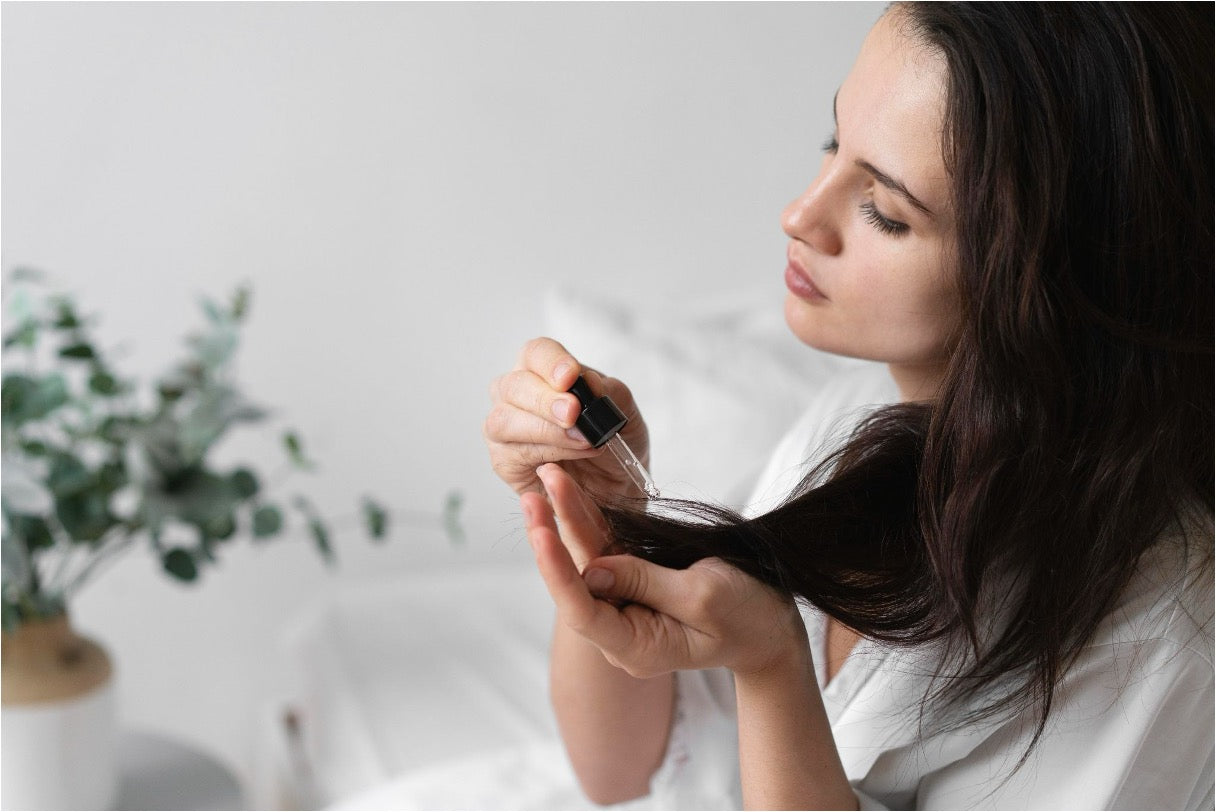
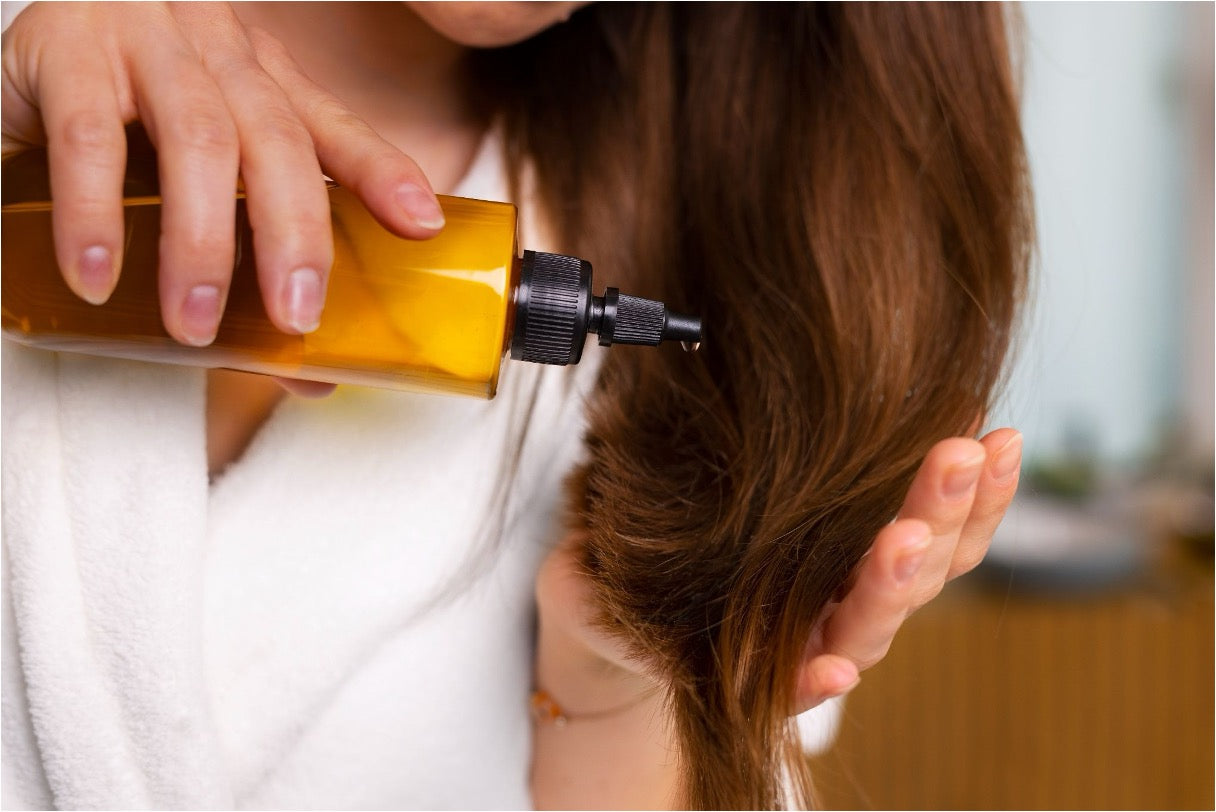
Daily care plays a key role in recovery, and topical treatments are often used alongside it to support the scalp directly. Applying serums consistently can help maintain a healthier scalp environment while your body works through the natural regrowth cycle.Along with topical treatments, prioritizing sleep helps support growth hormone levels, while avoiding heat styling and tight hairstyles reduces unnecessary strain on follicles. Managing stress keeps cortisol levels in check, and eating a protein-rich diet provides the building blocks needed for stronger regrowth over time.
Support Hair Recovery Naturally with Trybello
Recovering hair after mononucleosis can feel overwhelming, but a gentle, consistent routine can make the process easier. Our Trybello Hair Helper Spray and and Trybello Hair Repair & Anti-Stress Gummies are designed to fit naturally into daily habits like stress management, proper nutrition, and gentle hair care, helping support hair’s natural recovery and overall appearance.

Support hair recovery after mono naturally with Trybello’s hair care products.
Our Trybello Hair Growth Shampoo and Conditioner provide gentle cleansing and nourishment, while our Trybello Hair Repair & Anti-Stress Gummies and Trybello Daily Hair Booster work alongside your body's natural regrowth. Together, they form a simple, holistic routine to help hair look fuller, healthier, and cared for every day.
Hair loss after mononucleosis is temporary for most people. The Epstein-Barr virus disrupts the natural growth cycle, but follicles do recover. Proper nutrition, stress management, and gentle scalp care all support that process.
At Trybello, we are a US-based brand that designed our Hair Helper Spray, Hair Repair & Anti-Stress Gummies, and Daily Hair Booster Capsules to support exactly this kind of recovery. Our clean, science-driven formulas work with your body's natural regrowth to help hair look fuller. If you want to start your hair recovery naturally, see what Trybello can do with a 120-day risk-free guarantee.
Make hair recovery simple with Trybello Hair Helper Spray.
Frequently Asked Questions (FAQs)

Trending Topics





*Disclaimer: Individual results may vary. The information provided in this article is for educational purposes only and is not intended as medical advice. Consult a healthcare professional before starting any new hair or lash care regimen, especially if you have sensitivities or underlying health conditions. Product pricing is subject to change. For full terms, visit Trybe

See our latests posts #TRYBELLO