Menopause Hair Loss at the Crown: Causes & Regrowth Tips
BY TRYBELLO
Nov 04, 2026

Key Takeaways
- Menopause can make an inherited tendency toward female pattern hair loss more visible, as affected follicles produce finer hairs that thin crown coverage without heavy shedding.
- Falling estrogen during the menopause transition can also shift the body’s hormone balance, which can affect hair growth cycles, strand thickness, and density at the crown.
- Illness or surgery, rapid weight loss, and low iron or protein often contribute to crown thinning, and several triggers also overlap, so menopause is rarely the only factor.
- Regrowth tips include eating protein- and iron-rich foods, detangling gently with a wide-tooth comb, lowering heat settings, and avoiding styles that pull tightly at the roots.
- Trybello Hair Helper Spray goes straight onto the scalp as a simple daily step, and its 120-day guarantee gives you four full months to see how your crown responds.
Understanding Hair Loss at the Crown Due to Menopause
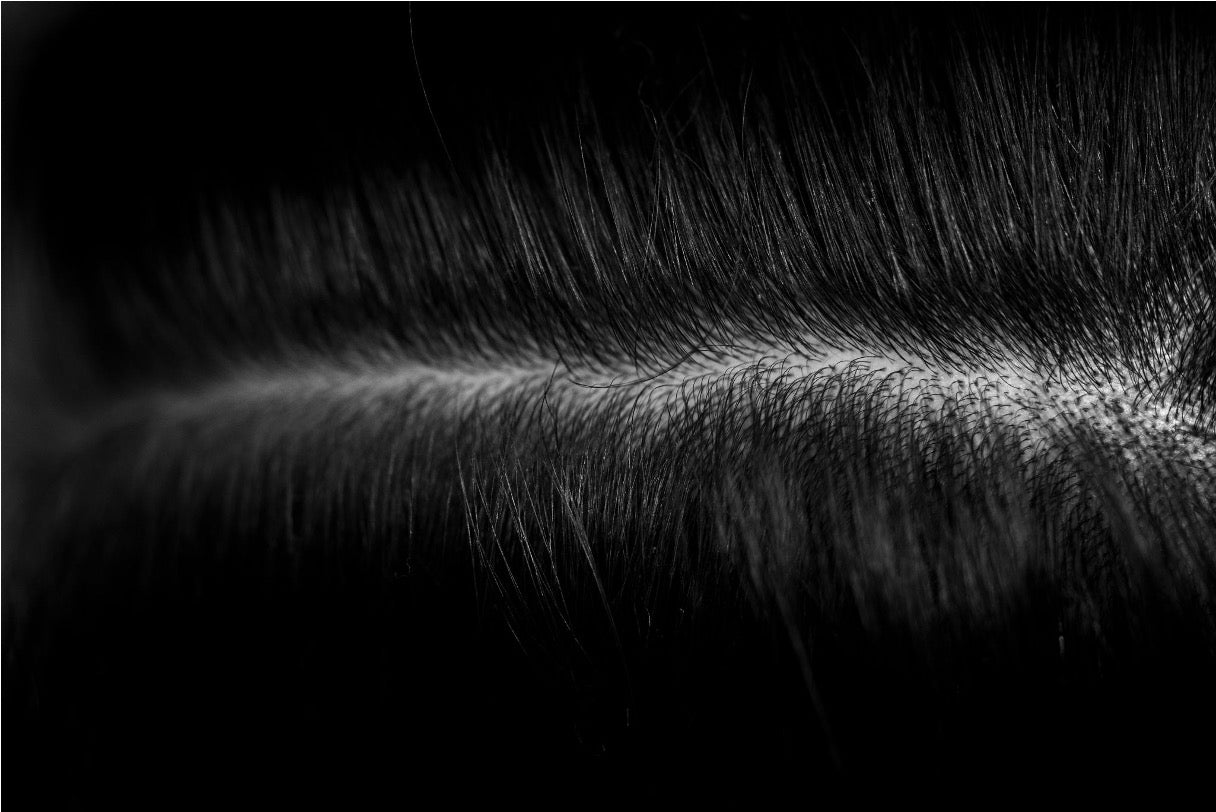
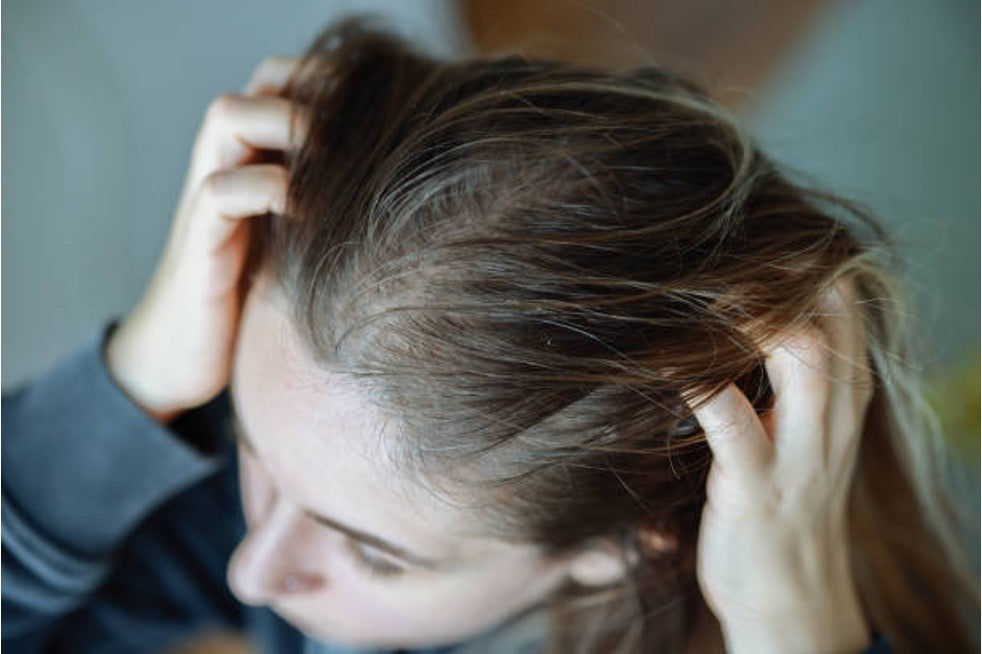
The crown, the upper back portion of the scalp, is one of the most common areas where menopausal women notice change. It usually doesn't show up as a sudden bald spot. Instead, the part gradually widens, the ponytail feels thinner in hand, and more scalp becomes visible under bright light. This slow, diffuse pattern is a hallmark of female pattern hair loss, which becomes more apparent in many women during and after the menopause transition.
Not every change in density at this stage of life is caused by menopause itself, though. Hair texture, thickness, and manageability can all shift during this time, and these changes can understandably affect how confident a woman feels day to day. Understanding what's actually driving the thinning is the first step toward realistic expectations and an effective plan.
"Doctor-Approved Natural Spray Rapidly Boosts Growth & Thickness. Why 88,000+ Women Are Switching to Trybello!"
Join 88,000+ women who've transformed their hair with our doctor-formulated spray, rated 4.85/5 Excellent by 60,000+ real reviewers.

Proven Natural Ingredients
- ✓ Caffeine – Energizes follicles and supports a longer, healthier growth phase
- ✓ Sophora Flavescens Extract – Revitalizes dormant follicles for improved density
- ✓ Oryza Sativa (Rice) Extract – Antioxidant-rich, protects follicles from oxidative stress
- ✓ Angelica Polymorpha Sinensis Root Extract – Boosts scalp microcirculation and nutrient delivery
- ✓ Biotin – Strengthens hair structure and supports keratin production from within


What Causes Crown Hair Loss During Menopause?

There is a confluence of factors that lead to menopausal hair loss at the crown.
As ovarian estrogen production declines during the menopause transition, the overall balance of hormones in the body shifts. That shift can affect hair growth cycles, strand thickness, and overall density at the crown.
For women who already carry a genetic tendency toward thinning, this hormonal change can make that tendency far more visible than it was in earlier decades. Female pattern hair loss is hereditary and can come from either side of the family, and in this condition, affected follicles gradually produce finer hairs over time. The result is reduced coverage, even without heavy daily shedding.
Menopause and aging happen on overlapping timelines, which makes it genuinely hard to separate their individual effects. Hair density and pattern thinning can simply worsen with age, independent of hormone shifts. On top of that, other triggers can contribute to hair loss at any life stage, including:
- A major illness or surgery
- Substantial or rapid weight loss
- A nutritional deficiency, such as low iron or protein
- Another underlying health condition
It's also common for more than one cause to be present at the same time, such as an inherited thinning pattern layered on top of a temporary shedding episode triggered by illness or stress. This is one reason a single explanation rarely tells the whole story, and why a closer look is often worthwhile before assuming menopause alone is to blame.
Regrowth Tips & Habits That Support Hair Density
Use a Hair Growth Spray
A daily scalp spray, like the Trybello Hair Helper Spray, can be an easy way to support hair density without adding a complicated step to your routine. Its formula pairs clean, naturally derived actives into one lightweight, non-greasy step: caffeine to energize follicles and support a longer, healthier growth phase, biotin to strengthen hair structure and support keratin production from within, and botanical extracts like Sophora Flavescens and rice (Oryza Sativa) to revitalize dormant follicles and shield them from oxidative stress.
Since hair changes need to be evaluated over months rather than days, a spray that’s simple enough to use every single day without hassle makes it far more likely you’ll stick with it long enough to see whether it’s helping.

Daily sprays like the Trybello Hair Helper Spray can help promote hair growth.
Prioritize Protein & Iron-Rich Foods
Adequate nutrition matters more than chasing any single "superfood." Not getting enough protein or iron can directly contribute to hair loss, and significant or rapid weight loss is itself associated with thinning.
A balanced eating pattern that includes eggs, fish, poultry, tofu, beans, or lentils gives your body the building blocks it needs for hair production. If you have known vitamin deficiencies, taking supplementary vitamins may also help.
Gently Wash, Condition, & Detangle Hair
How you wash, condition, and handle your hair day to day can either protect or undermine the density you're trying to preserve. Wash according to how oily or dirty your scalp gets rather than on a fixed schedule, and focus shampoo on the scalp itself instead of vigorously scrubbing the lengths.
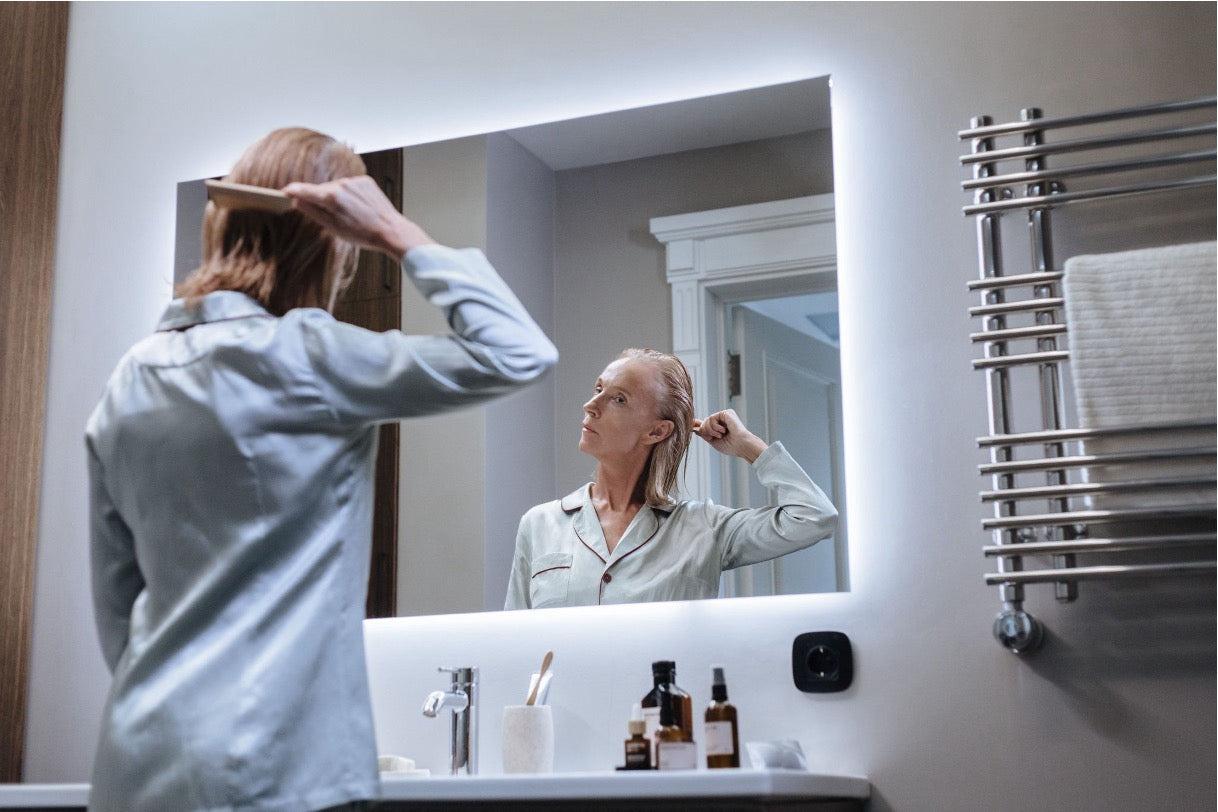
Detangling technique matters just as much as the products you use. Start at the ends and work upward rather than pulling a brush straight through from root to tip, and reach for a wide-tooth comb when hair is wet, since strands are more fragile in that state. These gentle habits won't restart growth in follicles that have already stopped producing hair, but they do reduce unnecessary damage to the hair you're actively trying to keep.
Avoid Hair Styles That Pull on Roots
Frequent use of high-heat styling tools can weaken hair over time, so lowering your heat settings and straightening or curling less often helps preserve what you have. Also avoid styles that repeatedly pull tightly on the hair at the root, since consistent tension at the crown can accelerate the appearance of thinning in that area. If you notice your styling habits lining up with where your hair loss is worst, adjusting those habits may genuinely be part of the solution.
Support Crown Density After Menopause with Trybello Hair Helper Spray

The Trybello Hair Helper Spray can help support hair growth during menopause.
Crown thinning during menopause usually reflects several overlapping causes, so checking nutrition, styling habits, and other health changes should come before blaming hormones alone. Preserving the density you have and slowing further loss is often a more realistic goal than restoring the fullness of a decade ago, and steady daily habits support it.
Trybello Hair Helper Spray adds one simple scalp step you can repeat every day, which matters because changes at the crown take months to show. Our 120-day guarantee gives you four full months to judge the difference, so order Trybello Hair Helper Spray today and start building a routine you can stick with.
Frequently Asked Questions (FAQs)

Trending Topics



*Disclaimer: Individual results may vary. The information provided in this article is for educational purposes only and is not intended as medical advice. Consult a healthcare professional before starting any new hair or lash care regimen, especially if you have sensitivities or underlying health conditions. Product pricing is subject to change. For full terms, visit Trybello.com.

See our latests posts #TRYBELLO