Does Oiling Your Scalp Help Hair Growth? Effects, Pros & Cons
BY TRYBELLO
Aug 29, 2026

Key Takeaways
- Scalp oiling is an ancient Ayurvedic practice that can support hair health, but it doesn't directly make hair grow faster.
- Regular oiling improves scalp circulation, reduces oxidative stress, and strengthens hair strands, creating better conditions for healthy hair growth.
- Applying too much oil or using oils that feed scalp fungi can clog follicles, trigger inflammation, and worsen conditions like dandruff and seborrheic dermatitis.
- People with seborrheic dermatitis, folliculitis, very oily scalps, or active scalp infections should avoid scalp oiling or consult a dermatologist before starting.
- Trybello Hair Helper Spray delivers the scalp-nourishing benefits of rice water extract, biotin, and caffeine in a lightweight, non-greasy formula that works for all hair types and comes with a 120-day results guarantee.
Does Oiling Your Scalp Help With Hair Growth?
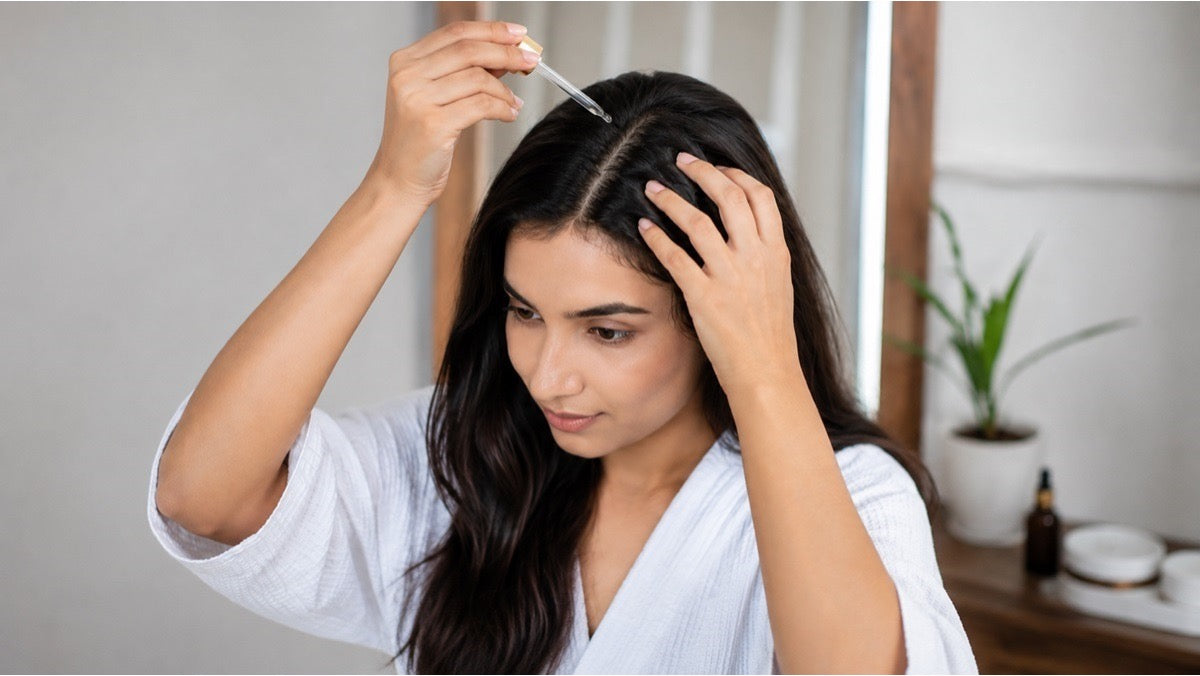
Oiling your scalp can help with hair growth, but not in the way most people think. Scalp oiling does not directly speed up hair growth on its own. Instead, it creates a healthier environment for hair to grow.
Your hair follicles can only produce strong, healthy strands when the scalp around them is nourished and well-circulated. Oiling supports those underlying conditions.
Regular oiling can seal in moisture, reduce breakage, soothe a dry or irritated scalp, and improve overall hair appearance and shine. On the other hand, over-oiling can lead to buildup, clogged follicles, and may even worsen conditions like dandruff or seborrheic dermatitis.
“Doctor-Approved Natural Spray Rapidly Boosts Growth & Thickness.
Why 88,000+ Women Are Switching to Trybello!"
Join 88,000+ women who've transformed their hair with our doctor-formulated spray, rated 4.85/5 Excellent by 60,000+ real reviewers.
Proven Natural Ingredients
- Caffeine – Energizes follicles and supports a longer, healthier growth phase
- Sophora Flavescens Extract – Revitalizes dormant follicles for improved density
- Oryza Sativa (Rice) Extract – Antioxidant-rich, protects follicles from oxidative stress
- Angelica Polymorpha Sinensis Root Extract – Boosts scalp microcirculation and nutrient delivery
- Biotin – Strengthens hair structure and supports keratin production from within
120-Day Growth Guarantee: No results? 100% money back, no questions asked.


Effects of Scalp Oiling: What the Research Says
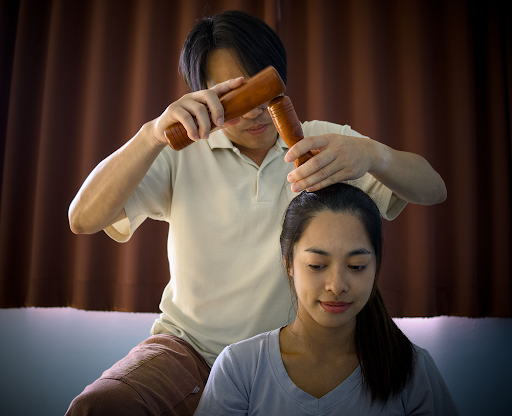
One of the better-supported benefits is the role of scalp massage (which typically accompanies oiling) in mechanically stimulating the follicle. In a small 24-week study, daily standardized massage increased hair thickness, which the researchers attributed to stretching forces acting on dermal papilla cells rather than to circulation alone.
Some oils have also been studied for their specific effects on hair. Coconut oil, for example, has been shown to reduce protein loss in hair strands because it penetrates the hair shaft. Castor oil is another widely used option, valued for its high concentration of ricinoleic acid, which has anti-inflammatory and antimicrobial properties that can help support a healthier scalp environment.
Pros of Oiling Your Scalp

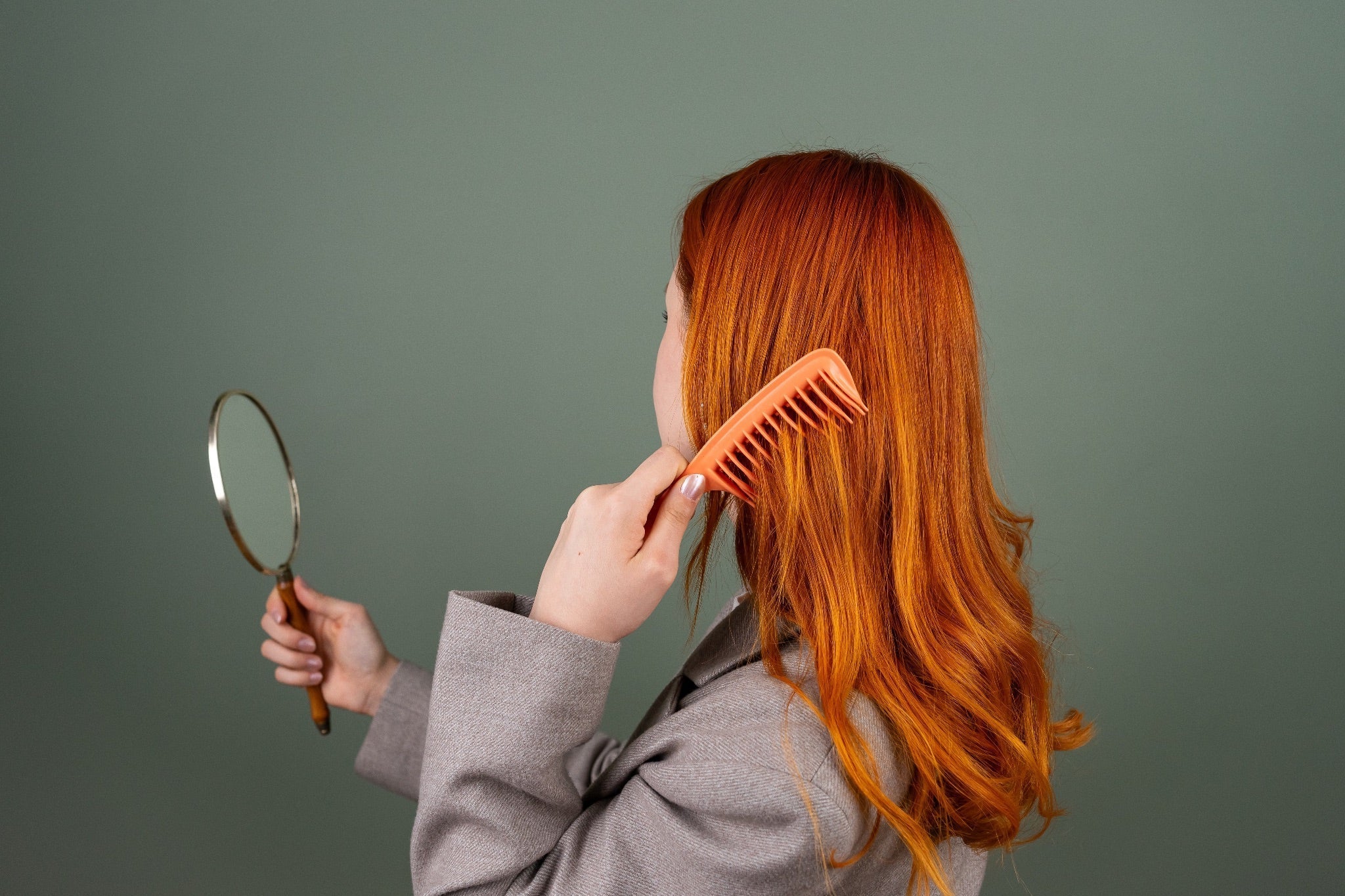
Applying oil to the mid-lengths and ends helps lock in moisture and reduce frizz without weighing hair down.
1. Seals in Moisture & Reduces Frizz
Oils form a protective layer over the hair shaft, locking in moisture and reducing water loss. This is particularly valuable for dry, coarse, or chemically treated hair types that struggle to retain hydration. The result is softer, smoother hair with noticeably less frizz and flyaways.
2. Strengthens Hair & Reduces Breakage
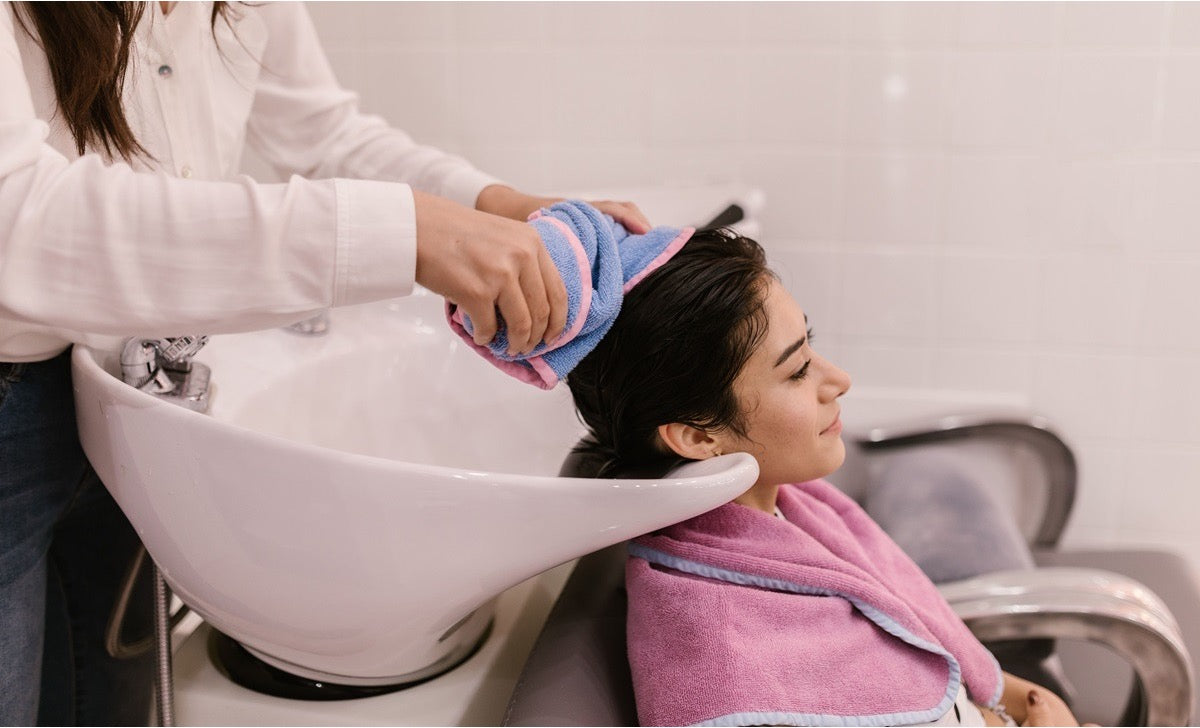
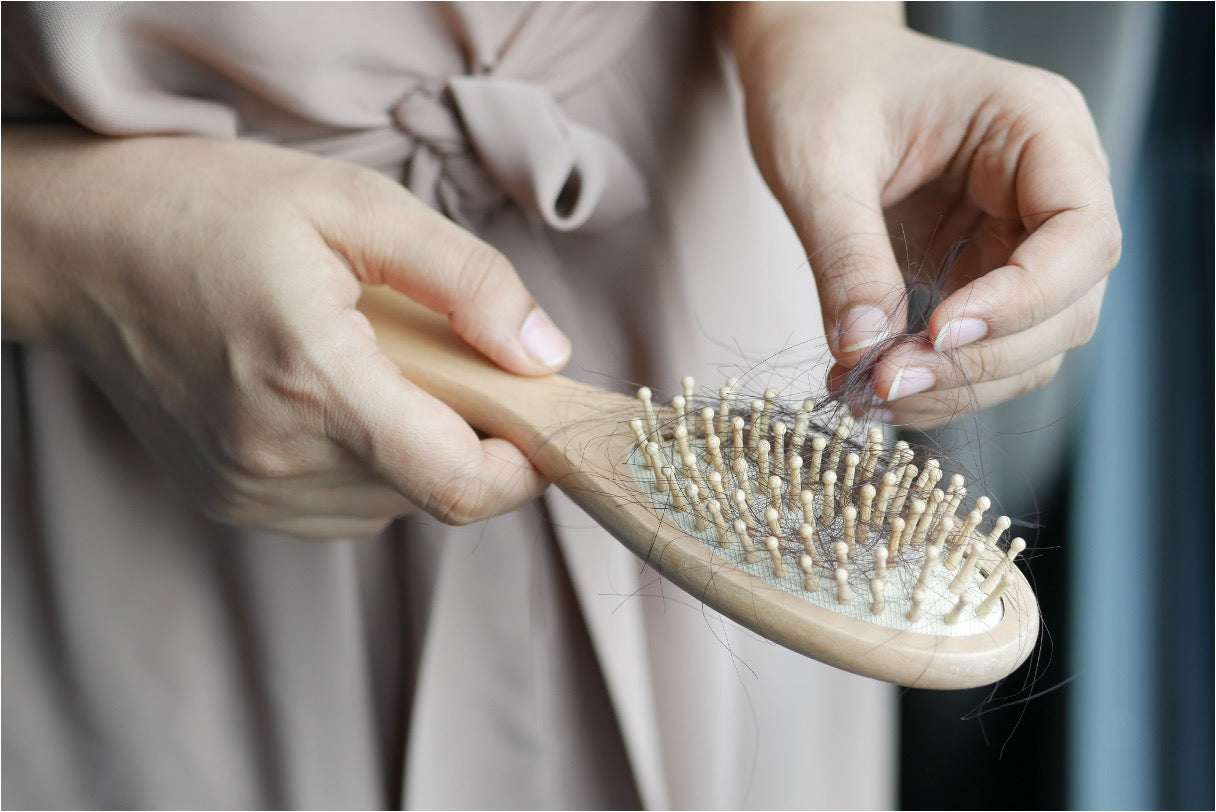
Oiling before washing limits protein loss that weakens strands over time, keeping each hair's internal structure intact instead of letting it thin wash after wash. Stronger strands resist snapping under everyday combing and styling. The practical result is fewer broken hairs in the shower and fewer left on your brush.
3. Soothes a Dry or Irritated Scalp
A dry, flaky, or itchy scalp often signals a compromised skin barrier. Lighter, non-comedogenic oils such as jojoba oil are often recommended to help soften flaking and restore moisture balance.
For many people, regular use of the right oil for their scalp type eases irritation, itchiness, and flaking. It is one of the most accessible and natural ways to manage mild scalp dryness without harsh chemical treatments.
4. Improves Hair Appearance & Shine
Beyond the health benefits, oiling simply makes hair look better. Oils smooth the hair cuticle (the outermost layer of each strand), which reflects light more evenly and creates that glossy, healthy appearance.
Regular oiling also makes hair significantly easier to detangle and style. If you have ever tried to brush through dry, knotted hair, you already know the difference a light oil application can make.
Cons of Oiling Your Scalp
1. Doesn't Directly Make Hair Grow Faster
This is the biggest misconception surrounding scalp oiling. Oils support the conditions needed for healthy hair, but they do not activate dormant follicles or override genetic hair loss patterns. If faster growth is your primary goal, oiling alone will not get you there.
2. Too Much Oil Can Cause Buildup
Applying too much oil, or oiling too frequently, leads to product buildup on the scalp. This buildup can clog hair follicles, create a breeding ground for bacteria, and actually work against the healthy scalp environment you are trying to create.
3. May Worsen Certain Scalp Conditions
If you have seborrheic dermatitis, scalp psoriasis, or a naturally oily scalp, adding more oil can make things significantly worse. Certain oils can also feed the Malassezia fungus that contributes to dandruff and seborrheic dermatitis, intensifying flaking and irritation rather than relieving it.
4. Heavy Oils Can Weigh Hair Down
Thick, heavy oils can leave fine or thin hair looking flat, greasy, and limp. If your hair lacks volume naturally, using the wrong oil, or too much of it, will only amplify that problem. Lighter-feeling oils like argan are often preferred for finer hair types, though they are best kept off the scalp if you are prone to dandruff.
5. Some Oils May Cause Irritation or Allergic Reactions
Essential oils, in particular, must always be diluted in a carrier oil before applying to the scalp. Undiluted essential oils like peppermint or rosemary can cause burning, redness, and contact dermatitis in sensitive individuals. Even some carrier oils can trigger reactions in people with specific plant allergies, so always do a patch test before full application.

Applying too much oil directly to the scalp can lead to follicle-clogging buildup, especially for fine or naturally oily hair types.
Who Should Avoid Scalp Oiling?
While scalp oiling works well for many people, it is not universally beneficial. Those with the following conditions should approach scalp oiling cautiously, or skip it altogether until consulting a dermatologist:
- Seborrheic dermatitis: Oil can feed the fungal overgrowth that drives this condition
- Scalp acne or folliculitis: Oiling can clog follicles and worsen breakouts
- Very oily scalp: Adding more oil disrupts sebum balance and may increase greasiness
- Active scalp infections: Oil can trap bacteria and delay healing
- Plant or nut allergies: Many carrier oils are derived from nuts or seeds and can trigger reactions
If your scalp tends to get greasy quickly, avoid applying oil directly to the roots at minimum. Instead, focus application on the mid-lengths and ends of your hair, where moisture is most needed, and buildup is less of a concern.
Nourish Your Scalp the Right Way with Trybello

Trybello Hair Helper Spray is vegan, cruelty-free, and free from sulfates and artificial fragrances, making it a clean alternative to heavy scalp oils for all hair types.
Scalp oiling can support healthier hair when you use the right amount and the right oil for your scalp type, but it does not force faster growth, and the wrong choice can clog follicles or worsen conditions like dandruff. What matters most is consistency, moderation, and ingredients that feed the follicle without leaving buildup behind.
At Trybello, we deliver those benefits without the heaviness of traditional oils. Trybello Hair Helper Spray pairs caffeine and Sophora flavescens extract with biotin, rice extract, and Angelica sinensis root in a lightweight, non-greasy leave-in that absorbs quickly and works for all hair types. Many users see less shedding and more volume within weeks, backed by our 120-day guarantee. Try Trybello Hair Helper Spray today.
Frequently Asked Questions (FAQs)

Trending Topics



*Disclaimer: Individual results may vary. The information provided in this article is for educational purposes only and is not intended as medical advice. Consult a healthcare professional before starting any new hair or lash care regimen, especially if you have sensitivities or underlying health conditions. Product pricing is subject to change. For full terms, visit Trybello.com.

See our latests posts #TRYBELLO