Hair Loss After Hair Extensions: Causes & Treatment
BY TRYBELLO
May 22, 2026

Key Takeaways
- Hair loss after extensions usually shows up at the hairline and temples first, where the constant pulling, weight, and handling have stressed the follicles the longest.
- Most people notice early warning signs like scalp tightness, soreness, and extra shedding but keep wearing extensions, which lets a reversible problem turn into traction alopecia.
- Recovery starts with removing the extensions, and a structured routine like the Trybello Hair Helper Spray paired with topical or supportive scalp care gives the follicles the rest and stimulation they need to bounce back.
- Caught early, follicles are usually still active and can recover within a few months, while advanced cases may need clinical options like PRP therapy or an FUE hair transplant.
- Trybello's dual-action system pairs the Hair Helper Spray with the Hair Repair & Anti-Stress Gummies to support scalp circulation and follicle strength during the recovery phase, backed by a 120-day results guarantee.
Hair Loss After Hair Extensions: Causes and Treatment Options
Hair loss after hair extensions usually starts at the hairline and temples, where steady tension, added weight, and rough handling weaken the follicles over time. The fix depends on how early you catch it: removing the extensions and giving the scalp a real break is step one, followed by topical care or a structured scalp routine like Trybello in early cases, and clinical options like PRP therapy or an FUE transplant when the damage is more advanced. The sections below cover what causes the damage, how to tell if it is still reversible, and the treatments that actually help.
“Doctor-Approved Natural Spray Rapidly Boosts Growth & Thickness.
Why 100,000+ Women Are Switching to Trybello!"
Join over 100,000 happy customers who've transformed their hair with our doctor-formulated spray in just 12 weeks, rated 4.8/5 by 40,000+ real users.
Proven Natural Ingredients
- • Caffeine Extract – Blocks DHT and boosts blood flow to follicles
- • Biotin – Direct scalp absorption, no pills needed
- • Castor Oil – Soothes inflammation and locks in moisture
- • Rice Water Extract – Strengthens hair and reduces shedding
120-Day Growth Guarantee: No results? 100% money back, no questions asked.


How Hair Extensions Cause Damage to Your Hair
The damage is gradual but builds up over time, especially with long-term or frequent wear. It usually results from repeated stress on both the hair strands and scalp.
- Sustained tension on the follicle: extensions placed near the roots create constant pulling that weakens the follicle's hold and reduces hair strength over time.
- Physical weight: heavier extensions add continuous downward pressure on natural hair, increasing the risk of breakage and stress at the roots.
- Improper placement or removal: incorrect application or rough removal can strain the hair shaft and damage surrounding follicles.
- Adhesive reactions: some bonded extension methods use adhesives that can irritate the scalp or cause buildup that affects follicle comfort.
- Synthetic material irritation: lower-quality synthetic extensions can contribute to scalp sensitivity and inflammation, adding extra stress to the hair.
Traction Alopecia: The Main Culprit
Traction alopecia develops when hair follicles are repeatedly exposed to tension. Early signs include scalp tenderness, small bumps along the hairline, or extra shedding. If the stress continues, the follicles weaken and gradually stop producing strong, healthy strands. The temples and edges are usually the first areas affected.
This condition often develops slowly, making early discomfort or tightness an important warning sign that the hair is under strain.
The Role of Extension Weight on Hair Follicles
Weight is a key but often overlooked factor. Longer or thicker extensions create a lever effect, meaning the further the hair hangs from the scalp, the more force is placed on the follicle. Over time, this constant downward pull can weaken the hair’s anchoring structure, leading to increased shedding and gradual thinning in stressed areas.

Heavier extensions can create added pressure on natural strands, increasing the risk of breakage over time.
Treatment Options for Extension-Related Hair Loss
The right treatment depends on how early the condition is identified. In the early stages, follicles are often still active and responsive, making recovery more achievable. As damage progresses, treatment options become more limited.
When Hair Loss Is Still Reversible
In early traction-related hair loss, follicles are usually inflamed and weakened but not permanently damaged. At this stage, removing the source of tension is the most important step, as continued pulling can worsen shedding and delay recovery. Once the scalp is given rest, supportive care can help restore a healthier growth environment.
Remove Extensions Immediately
Stopping the use of extensions is the first and most critical step. Removing constant tension allows blood flow and follicle activity to normalize. Early removal significantly improves the chances of regrowth, especially when thinning is recent and follicles are still active.
Topical Minoxidil
Minoxidil is a widely used topical treatment that helps stimulate hair follicles and extend the active growth phase of the hair cycle. With consistent use over several months, it may support visible improvements in density and hair regrowth, particularly in early-stage thinning areas.

Supportive scalp care routines can help improve overall hair appearance during recovery phases.
Scalp Serums & Supportive Care
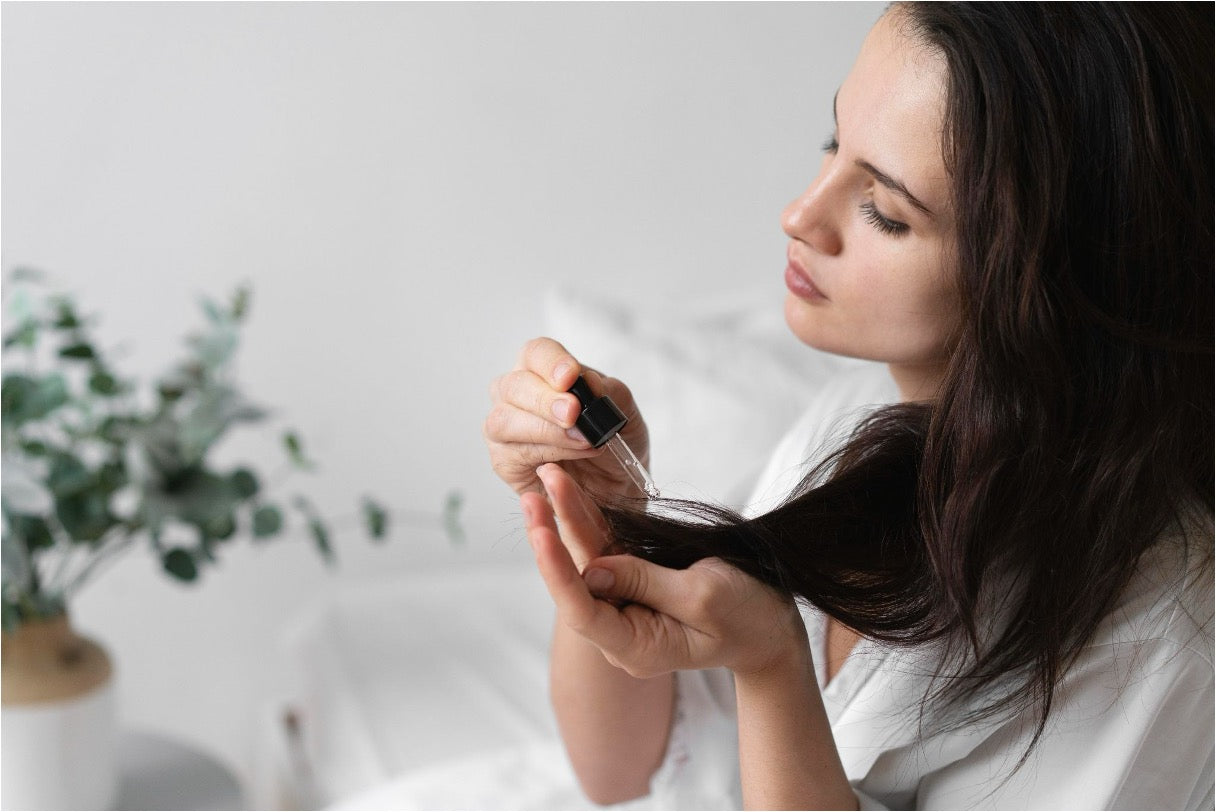
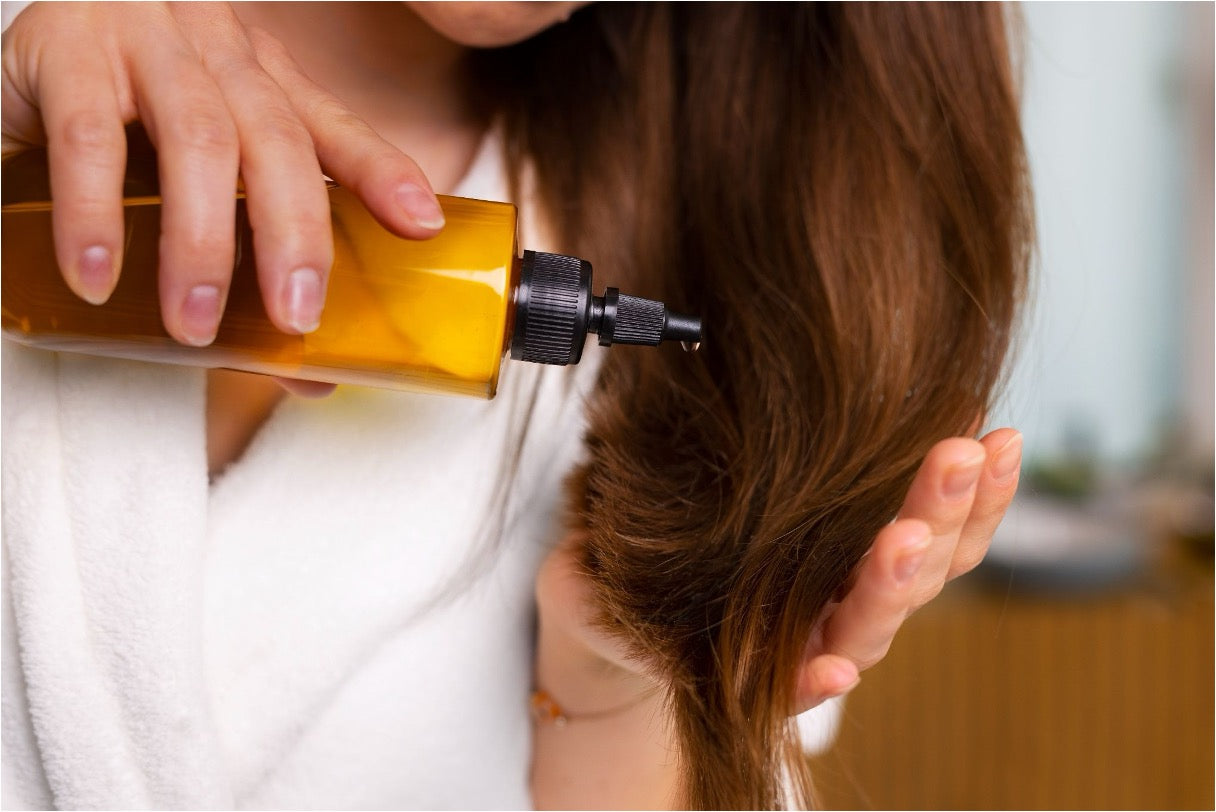
Scalp serums can improve circulation and support a healthier scalp environment during recovery alongside other treatments. Many people use the Trybello Hair Helper Spray as part of a structured routine, since it is built around scalp absorption and pairs naturally with the rest of the recovery plan.
PRP Therapy
Platelet-Rich Plasma (PRP) therapy involves using concentrated growth factors derived from the patient’s own blood and injecting them into the scalp. This approach is used to help stimulate dormant follicles and support natural growth activity in thinning areas over a series of sessions.
Nutrient Support
Deficiencies in key nutrients such as iron, zinc, biotin, and vitamin D can slow down hair recovery. In many cases, a blood test is recommended to identify gaps, followed by dietary adjustments or supplementation to support stronger, healthier hair growth.
Hair Transplant (FUE Method)
In advanced cases, a Follicular Unit Extraction (FUE) hair transplant may be considered. This procedure involves relocating healthy follicles from donor areas, typically the back or sides of the scalp, into thinning or scarred regions.
Scalp Treatments
Regular scalp massage and scalp-stimulating serums may help improve local blood circulation and support a healthier follicle environment. While not standalone treatments, they are often used as supportive practices during recovery to help maintain overall scalp vitality and create better conditions for hair growth.
A Calmer Recovery Path with Trybello
The best way to recover from hair loss after extensions is to take the tension off first, then rebuild the scalp environment with consistent, supportive care. For mild cases, removing the extensions and using a scalp serum is often enough; for more advanced thinning, topical minoxidil, PRP therapy, or an FUE transplant may be on the table.

Trybello supports a simple routine to help strengthen and revitalize thinning-looking hair over time.
Trybello fits into the recovery phase as a daily, vegan haircare system. The Hair Helper Spray works on the scalp to support circulation and follicle health, while the Hair Repair & Anti-Stress Gummies cover the internal side with Anagain and B-complex nutrients, giving stressed follicles a steady environment to recover in.
Visit Trybello to start your recovery routine with the Hair Helper Spray and a 120-day results guarantee.
Frequently Asked Questions (FAQs)

Trending Topics





*Disclaimer: Individual results may vary. The information provided in this article is for educational purposes only and is not intended as medical advice. Consult a healthcare professional before starting any new hair or lash care regimen, especially if you have sensitivities or underlying health conditions. Product pricing is subject to change. For full terms, visit Trybello.com.

See our latests posts #TRYBELLO