Neem Oil vs Castor Oil for Hair Growth: Benefits, Side Effects & Results
BY TRYBELLO
Sep 25, 2026

Key Takeaways
- Neem oil supports scalp health through antimicrobial and anti-inflammatory compounds, while castor oil coats and moisturizes the strand to reduce breakage and dryness.
- Neem oil may help manage dandruff, irritation, and scalp-related shedding, while castor oil improves softness, shine, and flexibility in dry or brittle hair.
- Excessive neem oil can cause dryness, redness, or allergic reactions, while castor oil may cause contact dermatitis and, in rare cases, hair matting from its thick texture.
- Neither oil is a proven standalone hair regrowth treatment, and results depend on consistency, hair condition, and whether the underlying cause of thinning is scalp-related or internal.
- Trybello Hair Helper Spray can complement an oil-based routine by supporting hair growth using caffeine to energize follicles, Sophora Flavescens to revitalize dormant roots, rice extract for antioxidant protection, and biotin for keratin strength, all in one daily spray.
Neem Oil vs Castor Oil: Which Is Better for Hair?
Neem oil is generally the better choice when the main concern is scalp health, while castor oil is more suited to moisturizing and conditioning the hair itself. Understanding this distinction matters because an oil that benefits the scalp may not directly improve hair growth.
Neem oil’s value comes from its traditional use and naturally occurring compounds, whereas castor oil’s thick, emollient texture makes it useful for retaining moisture. Neither should replace treatments for persistent scalp problems or significant hair loss.
For those looking beyond natural oils, Trybello Hair Helper Spray can complement a consistent routine focused on supporting thicker, revitalized hair.
"Doctor-Approved Natural Spray Rapidly Boosts Growth & Thickness. Why 88,000+ Women Are Switching to Trybello!"
Join 88,000+ women who've transformed their hair with our doctor-formulated spray, rated 4.85/5 Excellent by 60,000+ real reviewers.

Proven Natural Ingredients
- ✓ Caffeine – Energizes follicles and supports a longer, healthier growth phase
- ✓ Sophora Flavescens Extract – Revitalizes dormant follicles for improved density
- ✓ Oryza Sativa (Rice) Extract – Antioxidant-rich, protects follicles from oxidative stress
- ✓ Angelica Polymorpha Sinensis Root Extract – Boosts scalp microcirculation and nutrient delivery
- ✓ Biotin – Strengthens hair structure and supports keratin production from within


What Each Oil Is & Where It Comes From
What Is Neem Oil?
Neem oil comes from the seeds and fruit of the neem tree (Azadirachta indica) and has been part of Ayurvedic hair and skin care for centuries. Two compounds in it, nimbidin and azadirachtin, give it the antimicrobial and anti-inflammatory properties that make it useful for scalp problems like dandruff, flaking, and irritation.

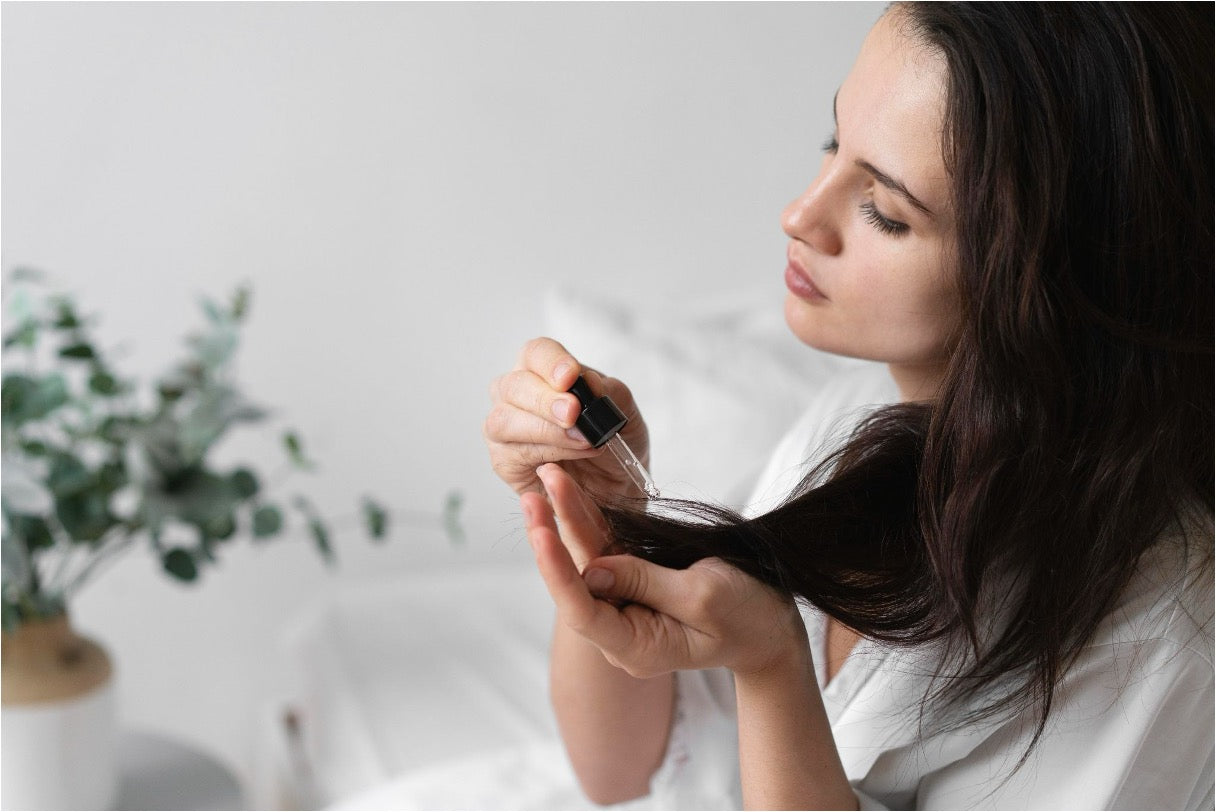
Neem oil is traditionally used in hair care to support a cleaner, more comfortable scalp and manage common scalp concerns such as dandruff.
What Is Castor Oil?
Castor oil is a thick vegetable oil pressed from the seeds of the castor plant (Ricinus communis). Its weight comes from ricinoleic acid, the main fatty acid in the oil, which coats the hair strand and slows moisture loss. That thickness is why it works well as a conditioner for dry or brittle hair, though it also makes it harder to wash out than lighter oils.

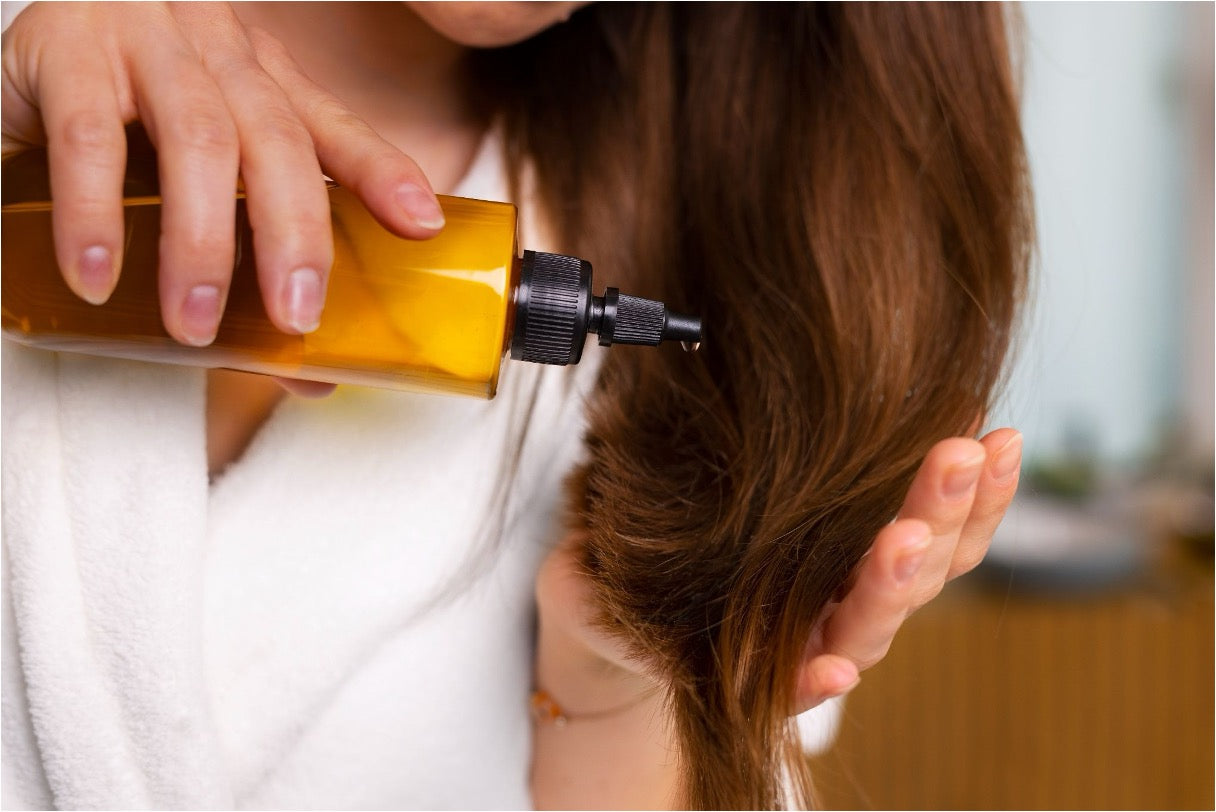
Castor oil has a naturally thick texture that helps coat the hair, making it a popular choice for conditioning dry and brittle strands.
Neem Oil vs Castor Oil: Benefits for Hair & Scalp Compared
Benefits of Neem Oil for Hair
Neem oil is primarily valued for supporting scalp health rather than directly stimulating hair growth. Its antimicrobial and soothing properties may make it useful for several common scalp concerns:
- Helps manage dandruff: Neem oil may help control microbial and fungal buildup associated with dandruff, potentially reducing visible flakes, itching, and scalp discomfort.
- Calms scalp irritation: Its anti-inflammatory properties may help reduce redness and irritation while supporting a healthier scalp environment.
- Supports healthier-looking hair: By helping maintain scalp hygiene and reducing irritation, neem oil may create better conditions for stronger-looking roots, reduced breakage, and healthier hair texture.
- May help with scalp-related shedding: When itching or scalp irritation contributes to increased shedding, supporting scalp health may help reduce one potential trigger.
- Traditionally used for head lice: Ayurvedic hair care has long included neem oil as a home remedy for head lice, and its active compounds may interfere with how lice develop. It should still not replace a proven lice treatment when one is needed.
Benefits of Castor Oil for Hair
Castor oil is primarily valued for conditioning the hair and supporting scalp moisture. Here's how it can help dry, brittle, or damaged hair:
- Promotes stronger-looking hair: Because it is so thick, castor oil sits on the outside of each strand and slows moisture loss, which can leave dry or damaged hair feeling softer, smoother, and shinier.
- May support hair growth: When applied topically, ricinoleic acid may help improve blood circulation, potentially supporting the supply of oxygen and nutrients to hair follicles. However, evidence for direct hair-growth effects remains limited.
- Helps prevent hair breakage: By moisturizing and improving the flexibility of dry, brittle hair, castor oil may make the hair less prone to breakage and split ends.
- Soothes a dry scalp: As an emollient, castor oil helps lock in moisture and may reduce dryness and irritation while supporting a healthier scalp environment.
- Supports scalp cleanliness: The fatty acids in castor oil have antibacterial and antifungal properties that may help manage microorganisms associated with dandruff and other scalp concerns.
Side Effects to Watch For
Side Effects of Neem Oil
Neem oil is generally used in small amounts and should be diluted before applying it to the scalp. Undiluted or excessive use may cause dryness, redness, irritation, or an allergic reaction in some people. Its strong, lingering odor can also be unpleasant for certain users.
A patch test is recommended before applying neem oil to the scalp. People with sensitive skin or an existing scalp concern should consider speaking with a healthcare professional before using it.
Side Effects of Castor Oil for Hair
Castor oil is generally suitable for topical use, but it may cause allergic contact dermatitis in some people. Possible reactions include skin rashes, swelling, itching, or irritation after application.
In rare cases, castor oil has also been associated with hair felting or matting, where strands become tightly tangled into a hard mass. Its thick texture can make it harder to wash out or manage.
What Kind of Results to Expect
Results of Using Neem Oil for Hair
Results from neem oil can vary depending on the scalp concern and how consistently you use it. People using it for dandruff, dryness, or minor scalp irritation may notice improvements with regular use.
Neem oil should not be expected to produce rapid hair regrowth. If hair fall is related to internal factors, neem oil alone is unlikely to produce visible regrowth. Its main benefit is supporting scalp health and creating a healthier environment for stronger-looking, healthier hair.
Results of Using Castor Oil for Hair
Results from castor oil can vary depending on your hair condition and how consistently you use it. Its moisturizing and conditioning properties may make dry or damaged hair feel smoother, softer, shinier, and more manageable.
Castor oil may also help maintain a healthier scalp by moisturizing dry skin and supporting scalp comfort. While ricinoleic acid may support circulation and hair growth, scientific research is limited, and castor oil is not clinically proven to improve hair growth or overall hair health on its own.
Neem Oil vs. Castor Oil vs. Trybello Hair Helper Spray: Key Differences
| Feature | Trybello Hair Helper Spray | Neem Oil | Castor Oil |
|---|---|---|---|
| Primary focus | Supports thicker, revitalized hair | Supports scalp health | Moisturizes and conditions hair |
| Best suited for | Consistent hair-care routines focused on hair thickness | Dandruff, irritation, and scalp-care needs | Dry, brittle, rough, or damaged hair |
| Key benefits | Supports the appearance of thicker, healthier-looking hair | May help manage dandruff and soothe scalp irritation | Helps retain moisture, improve softness and shine, and reduce breakage |
| Side effects | Individual results may vary; follow product-use directions | May cause dryness, redness, irritation, or allergic reactions in some people | May cause irritation or allergic reactions; rarely, hair matting can occur |
| Results | Designed to complement a consistent routine for thicker, revitalized hair | Results vary and are mainly associated with supporting scalp health | May improve moisture, softness, shine, and manageability; hair-growth results are not guaranteed |
| Overall role | Hair-thickening and revitalizing routine | Scalp-care support | Moisture and hair conditioning |
Build a Consistent Hair-Care Routine With Trybello Hair Helper Spray
Choosing between neem oil and castor oil depends on your hair and scalp needs. Both oils can support different aspects of hair care, but consistent use and a routine focused on scalp health and stronger-looking hair are more important than relying on either oil alone.

Trybello Hair Helper Spray can complement a consistent routine for those looking to support stronger, fuller-looking hair alongside other hair-care practices.
At Trybello, our Hair Helper Spray is designed to work alongside either oil. It delivers caffeine, biotin, and botanical extracts directly to the scalp to support thicker, healthier-looking hair, and it carries a 120-day money-back guarantee. Try Trybello Hair Helper Spray today and add it to your routine.
Frequently Asked Questions (FAQs)

Trending Topics




*Disclaimer: Individual results may vary. The information provided in this article is for educational purposes only and is not intended as medical advice. Consult a healthcare professional before starting any new hair or lash care regimen, especially if you have sensitivities or underlying health conditions. Product pricing is subject to change. For full terms, visit Trybello.com.

See our latests posts #TRYBELLO