Hair Loss After Thyroid Surgery: Causes & Treatment Options
BY TRYBELLO
Mar 23, 2026

Key Takeaways
- Hair loss after thyroid surgery is typically triggered by surgical stress, anesthesia, and hormone disruption, which simultaneously push follicles into a resting phase.
- This shedding pattern, known as telogen effluvium, usually becomes noticeable 2–3 months post-surgery and resolves within 6–12 months in most patients.
- Stabilizing thyroid hormone levels through proper medical management is the most essential first step in stopping post-surgical hair loss.
- Treatment options range from nutritional supplementation and hormone optimization to gentle scalp care and clinically supported topical products.
- Trybello Hair Helper Spray provides a natural, hormone-free option to support scalp health during recovery, and is backed by a Complete 120-Day Growth Guarantee.
When Does Hair Loss Occur After Thyroid Surgery?
Hair loss after thyroid surgery is a common, typically temporary condition caused by the combined effects of surgical stress, anesthesia, and disrupted thyroid hormone levels. These factors push hair follicles into a resting phase, a pattern known as telogen effluvium, which usually becomes visible 2 to 3 months after the procedure and resolves within 6 to 12 months once hormone levels stabilize.
The three primary drivers are the physical stress of surgery and anesthesia, hormonal imbalance following partial or total thyroidectomy, and nutritional deficiencies during recovery. Treatment focuses on optimizing thyroid hormone replacement, correcting nutrient gaps in iron, zinc, biotin, and protein, and supporting scalp health with gentle, hormone-free topical care.
“Doctor-Approved Natural Spray Rapidly Boosts Growth & Thickness.
Why 100,000+ Women Are Switching to Trybello!"
Join over 100,000 happy customers who've transformed their hair with our doctor-formulated spray in just 12 weeks, rated 4.8/5 by 40,000+ real users.
Proven Natural Ingredients
- • Caffeine Extract – Blocks DHT and boosts blood flow to follicles
- • Biotin – Direct scalp absorption, no pills needed
- • Castor Oil – Soothes inflammation and locks in moisture
- • Rice Water Extract – Strengthens hair and reduces shedding
120-Day Growth Guarantee: No results? 100% money back, no questions asked.


Why Thyroid Surgery Causes Hair Loss

Thyroid surgery can trigger hair loss through surgical stress, hormonal imbalance, and nutritional deficiencies during recovery.
Surgical Stress & Anesthesia
Hair loss after thyroid surgery most commonly takes the form of telogen effluvium, a condition in which significant physical stress forces a large number of follicles into the telogen phase simultaneously.
General anesthesia, blood loss, and the body's inflammatory response can all trigger this shift, with shedding typically becoming visible 2–3 months after the procedure.
Hormonal Imbalance After Thyroidectomy
The thyroid produces T3 and T4 hormones that regulate nearly every cell in the body, including those in hair follicles. After a partial or total thyroidectomy, hormone levels drop sharply until replacement therapy is calibrated. Both hypothyroidism and hyperthyroidism are known contributors to hair thinning, and the post-surgical fluctuation can be particularly disruptive to the hair growth cycle.
Patients who undergo thyroid surgery for conditions like thyroid cancer, goiter, or Graves' disease may also face prolonged hormonal instability, which can extend the shedding period beyond what is typical.
Nutritional Deficiencies
Recovery often reduces appetite and affects nutrient absorption, adding another layer of stress to the follicles. Deficiencies in iron, zinc, biotin, and dietary protein are all associated with increased hair shedding, as these nutrients are essential for keratin production and follicle function. Their depletion during post-surgical recovery can slow regrowth even after hormone levels are properly corrected.
How Long Does Hair Loss Last After Thyroid Surgery?
For most patients, post-surgical hair loss is temporary. Telogen effluvium typically resolves within 6 to 12 months once the underlying cause is addressed. The exact timeline depends on how quickly thyroid hormone levels are stabilized, nutritional status, and individual genetic factors.
When hypothyroidism remains undertreated or additional stressors persist, shedding may extend beyond this window. Hair loss that persists for more than 12 months or appears as distinct patches rather than diffuse thinning warrants further evaluation to rule out other conditions.
Treatment Options for Hair Loss After Thyroid Surgery

Treating hair loss after thyroid surgery involves hormone optimization, nutritional support, and gentle topical scalp care.
Thyroid Hormone Optimization
The most critical step is ensuring thyroid hormone levels are properly managed. Patients on replacement therapies should work closely with their endocrinologist to achieve consistently optimal TSH levels.
Nutritional Support
Addressing dietary deficiencies is a meaningful complement to hormone management. A healthcare provider may recommend bloodwork before suggesting supplements. The most commonly assessed nutrients include iron and ferritin, along with zinc, which supports follicle cell function, biotin, which is most effective in those with an existing deficiency, and adequate dietary protein, which is fundamental to hair structure and growth.
Scalp & Topical Hair Care
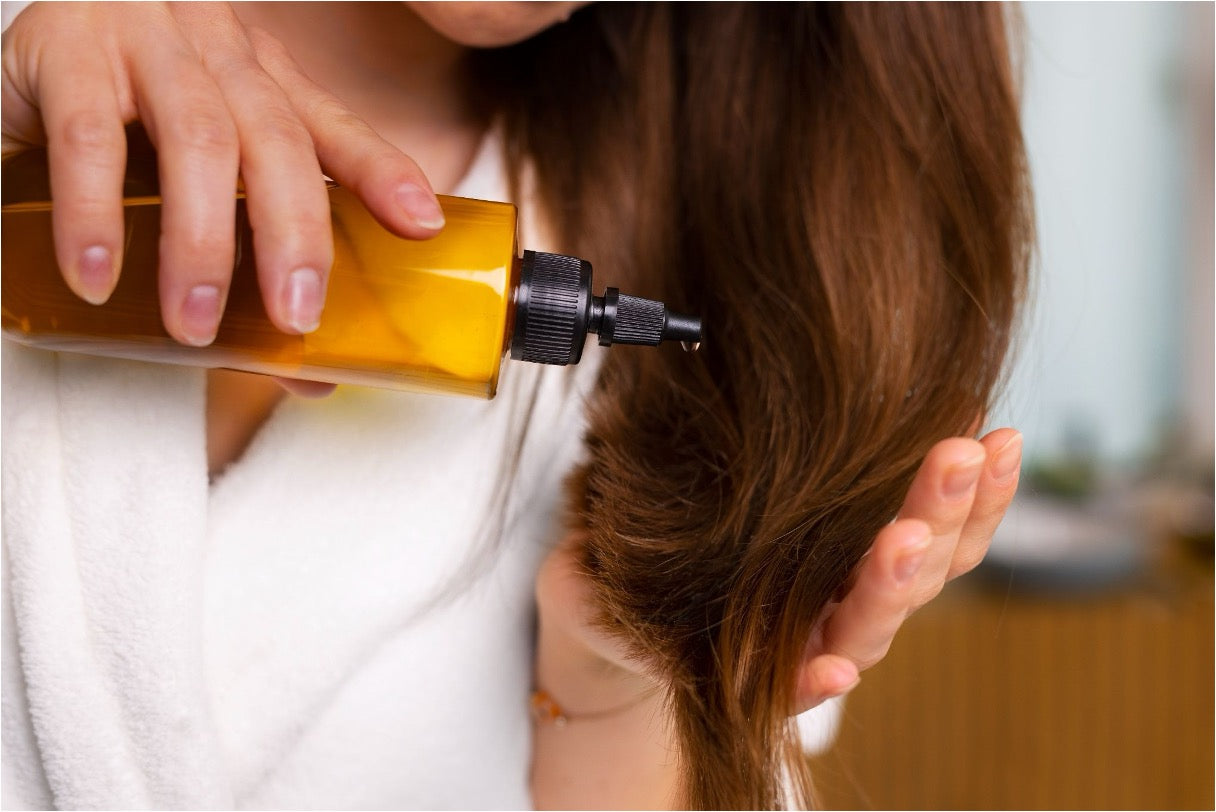
While medical intervention addresses the root cause, supportive scalp care helps create a healthier environment for regrowth. Gentle, sulfate-free shampoos and regular scalp massage to stimulate circulation are practical daily steps.
Topical products formulated with botanically active ingredients can also support the scalp during this recovery phase, particularly those designed without hormones or harsh chemicals, which is an important consideration for patients already managing a sensitive hormonal transition.
Trybello Hair Helper Spray: Supporting Regrowth With the Right Topical Care

Trybello Hair Helper Spray supports post-surgical hair recovery with plant-based ingredients, backed by a 120-day results guarantee.
Recovery from post-thyroidectomy hair loss is possible for most patients. The path forward combines optimized hormone replacement, targeted nutrition, and scalp support that works with your body’s healing process rather than against it.
At Trybello, we understand how distressing hair loss can be, especially after a significant medical event such as thyroid surgery. We formulated our Trybello Hair Helper Spray with natural, plant-based ingredients chosen to support a healthy scalp environment and encourage the conditions the body needs for regrowth.
The Trybello Hair Helper Spray works best as a complement to medical treatment, not a replacement. If you're managing hair loss after thyroid surgery, we encourage you to continue working closely with your healthcare team while incorporating our spray into your scalp care routine.
Frequently Asked Questions (FAQs)

Trending Topics




Disclaimer: Individual results may vary. The information provided in this article is for educational purposes only and is not intended as medical advice. Consult a healthcare professional before starting any new hair or lash care regimen, especially if you have sensitivities or underlying health conditions. Product pricing is subject to change. For full terms, visit Trybello.com.

See our latests posts #TRYBELLO