Hair Loss Due To Hyperthyroidism: Causes & Treatment
BY TRYBELLO
Mar 26, 2026

Key Takeaways
- Hyperthyroidism can trigger diffuse hair thinning, but in most cases, this hair loss is temporary, and follicles remain capable of regrowth once treated.
- Hair shedding often appears a few months after hormone imbalance starts, even with treatments like antithyroid medications, RAI, or thyroid surgery.
- Deficiencies in nutrients such as iron, zinc, and biotin can worsen hair shedding and slow recovery if not addressed alongside thyroid treatments.
- Normalizing thyroid levels with medications, RAI, or surgery is essential, but supporting scalp health and proper nutrition also helps restore hair effectively.
- While thyroid treatment works from the inside, Trybello Hair Helper Spray and the full Trybello range, including gummies and serums, help strengthen follicles, reduce shedding, and support healthier, fuller hair during recovery.
Why Is Hyperthyroidism Causing Your Hair to Fall Out?
Your thyroid may be small, but when it goes into overdrive, its effects are felt throughout the body, including your hair. Hyperthyroidism occurs when the gland produces too much thyroid hormone, disrupting the body’s normal balance. Everything accelerates: metabolism, heart rate, and the hair growth cycle. Hair follicles are pushed out of the growth phase too quickly, leading to diffuse thinning that can affect up to 50% of people with thyroid disease.
While the hair loss can be alarming, it is often temporary. Addressing the underlying thyroid imbalance is the essential first step. With proper medical treatment and time for follicles to recover, hair regrowth is very possible, offering real reassurance to anyone going through this.
“Doctor-Approved Natural Spray Rapidly Boosts Growth & Thickness.
Why 100,000+ Women Are Switching to Trybello!"
Join over 100,000 happy customers who've transformed their hair with our doctor-formulated spray in just 12 weeks, rated 4.8/5 by 40,000+ real users.
Proven Natural Ingredients
- • Caffeine Extract – Blocks DHT and boosts blood flow to follicles
- • Biotin – Direct scalp absorption, no pills needed
- • Castor Oil – Soothes inflammation and locks in moisture
- • Rice Water Extract – Strengthens hair and reduces shedding
120-Day Growth Guarantee: No results? 100% money back, no questions asked.


Why Hyperthyroidism Causes Hair Loss
Thyroid hormones regulate the hair follicle cycle, growth (anagen), transition (catagen), and rest/shedding (telogen). In hyperthyroidism, excess hormones speed up this cycle, pushing hairs out of the growth phase too early. The result is diffuse thinning across the scalp, though patchy loss can occur, especially when autoimmune conditions are involved.
Telogen Effluvium: The Hair Cycle Disruption
Telogen effluvium is a type of nonscarring hair loss characterized by diffuse shedding, often triggered by metabolic stress, hormonal changes, or medications. Based on a published study, in a healthy scalp, around 85–90% of hairs are in the growth (anagen) phase, while 10–15% are resting (telogen). Hyperthyroidism acts as a hormonal stressor, forcing a larger portion of follicles into the telogen phase prematurely. This sudden shift causes noticeable hair loss, typically appearing 2–4 months after the thyroid imbalance begins, which can make it seem like the medication is the culprit rather than the underlying condition.
Nutrient Depletion Caused by an Overactive Thyroid
Hyperthyroidism increases nutrient use, often depleting iron, zinc, and biotin. Iron delivers oxygen to follicles, zinc supports protein synthesis, and biotin strengthens hair structure. Deficiencies in these nutrients intensify hair shedding beyond the hormonal effect alone.
Autoimmune Triggers: Graves’ Disease and Alopecia Areata
Graves’ disease, an autoimmune cause of hyperthyroidism, creates a double challenge: hormone-driven shedding plus increased risk of alopecia areata, which causes patchy loss. Autoimmune conditions often cluster, so immune attacks on the thyroid can also target hair follicles.

Understanding telogen effluvium: diffuse hair shedding can be linked to thyroid imbalances.
What Treatments Actually Address the Root Cause?
Treating hair loss from hyperthyroidism starts with normalizing thyroid hormone levels, as shedding won’t reverse while the thyroid is overactive. Medical approaches, chosen based on cause, severity, age, and pregnancy status, include antithyroid medications, radioactive iodine therapy (RAI), and thyroid surgery. Hair regrowth is gradual, with shedding often reducing within 3–6 months and fuller regrowth taking up to a year.
Antithyroid Medications: Methimazole and Propylthiouracil
According to research, these are usually first-line treatments, blocking excess thyroid hormone production. Initial shedding may worsen for 2–3 months, with regrowth starting 6–12 months after hormone stabilization. Regular monitoring is essential, and courses often last 12–18 months.

Antithyroid medications like Methimazole and PTU help regulate thyroid hormones and restore hair growth over time.
Radioactive Iodine Therapy
Radioactive iodine therapy (RAI) is a non-surgical option that gradually stabilizes hormone levels by targeting overactive thyroid cells. Hair shedding may continue during the transition to hypothyroidism, which usually requires lifelong levothyroxine replacement.
Supporting Hair with the Right Hair Care Products
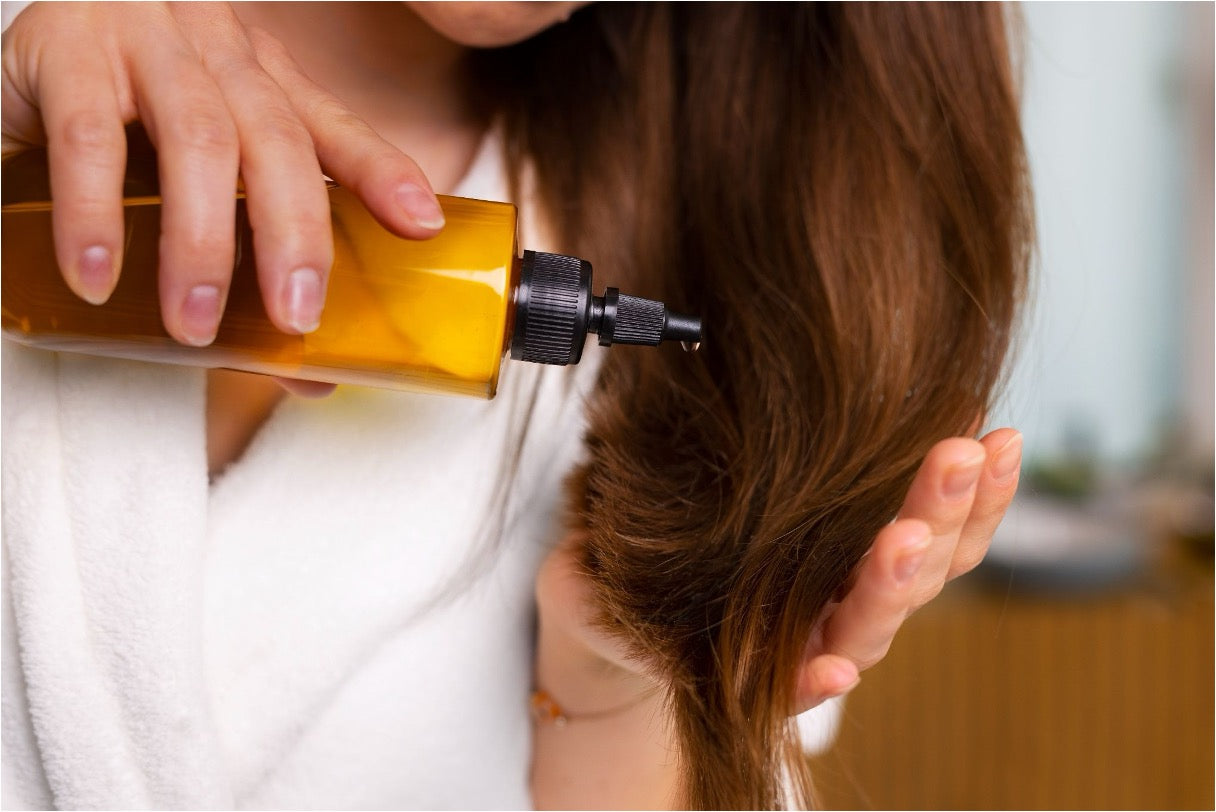
Using gentle shampoos, conditioners, and targeted hair serums can help reduce breakage, nourish the scalp, and protect existing hair while medical treatments restore hormone balance. This supportive routine complements regrowth and promotes healthier hair over time.
Support Your Hair with Trybello While Your Thyroid Heals
Recovering from hyperthyroidism-related hair loss takes time, but you do not have to wait passively. Once thyroid levels stabilize, supporting your scalp and follicles with the right products can help speed the return of thicker, healthier hair. At Trybello, we understand how distressing hair thinning from hyperthyroidism can be. That’s why we’ve developed a range of products designed to support your hair from the follicle to the strand. Our Trybello Hair Helper Spray stimulates hair roots to encourage thicker, fuller growth, while the Trybello Hair Repair & Anti-Stress Gummies work internally to help reduce shedding caused by stress and hormonal imbalances. Paired with our Trybello Hair Growth Shampoo and Conditioner, these products gently cleanse, nourish, and strengthen your hair over time.

Trybello Hair Helper Spray and Hair Repair Gummies help nourish follicles from root to tip for fuller, healthier hair.
For those wanting to go further, the Trybello Hair Helper Spray Plus features a patented peptide complex to help improve hair density, and our Trybello Lash & Brow Serums support thicker, healthier brows and lashes. All of our best sellers are vegan, cruelty-free, and formulated without harsh chemicals, giving you a safe, complete approach to restoring your hair's health and fullness.
We know that hair recovery takes time, and consistency matters. That's why we stand behind our products with a Complete 120-Day Growth Guarantee, so you can try our system with confidence. With Trybello, you’re not just treating your hair, you’re supporting overall scalp and follicle health, helping you feel more confident as your hair regains strength and shine.
Start your hair revival with Trybello today!
Frequently Asked Questions (FAQs)

Trending Topics




*Disclaimer: Individual results may vary. The information provided in this article is for educational purposes only and is not intended as medical advice. Consult a healthcare professional before starting any new hair or lash care regimen, especially if you have sensitivities or underlying health conditions. Product pricing is subject to change. For full terms, visit Trybello.com.

See our latests posts #TRYBELLO