Hair Loss Due To Hypothyroidism: Causes & Regrowth Potential
BY TRYBELLO
Mar 20, 2026

Key Takeaways
- Hair thinning is often an early sign of thyroid issues and can affect the scalp, eyebrows, eyelashes, and overall hair texture.
- Low thyroid hormone levels disrupt the hair growth cycle, pushing follicles into a resting phase and causing diffuse shedding across the scalp.
- Common causes of hypothyroid hair loss include autoimmune conditions like Hashimoto’s, nutritional deficiencies, thyroid surgery, or certain medications.
- Hair regrowth takes time, and early shedding is normal; noticeable improvement usually appears over several months, with fuller recovery within 12–18 months.
- Trybello provides a natural, dual-action approach with Trybello Hair Helper Spray, Trybello Hair Helper Spray Plus, and Trybello Hair Repair & Anti-Stress Gummies to strengthen follicles, reduce shedding, and support healthier, fuller hair.
How Does Hypothyroidism Cause Hair Loss?
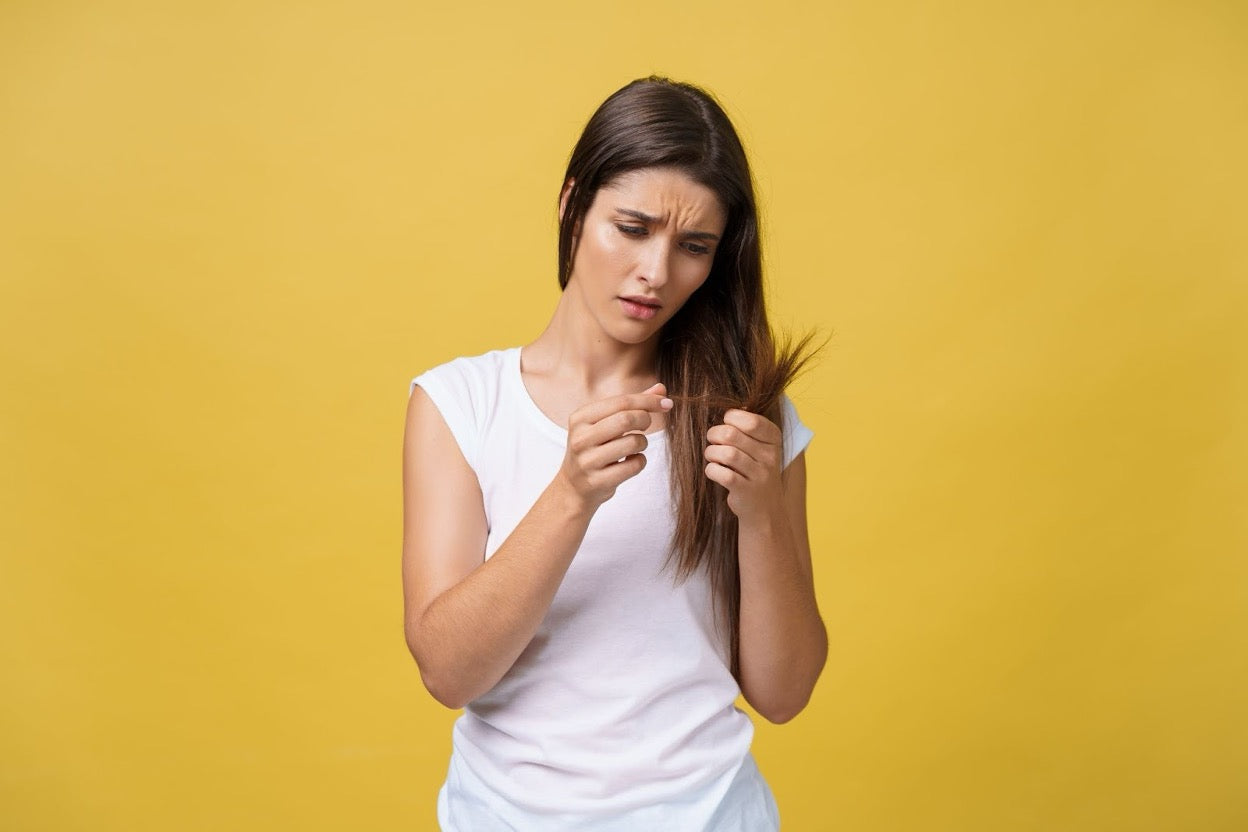
Hair thinning is often one of the first visible signs that something is off with your thyroid, though many people don’t make the connection until shedding becomes noticeable. Hypothyroidism affects millions worldwide, and hair loss is one of its most frustrating yet overlooked symptoms. The condition can also affect eyebrows, eyelashes, and body hair, and it may change hair texture, making it dry, brittle, or coarse.
Low thyroid hormone levels disrupt the hair growth cycle, leaving follicles dormant and causing diffuse thinning across the scalp. Hair loss may develop gradually or accelerate during periods of untreated thyroid imbalance. For anyone experiencing unexplained shedding, understanding this connection is the crucial first step toward identifying the cause and taking steps to restore healthy hair growth.
“Doctor-Approved Natural Spray Rapidly Boosts Growth & Thickness.
Why 100,000+ Women Are Switching to Trybello!"
Join over 100,000 happy customers who've transformed their hair with our doctor-formulated spray in just 12 weeks, rated 4.8/5 by 40,000+ real users.
Proven Natural Ingredients
- • Caffeine Extract – Blocks DHT and boosts blood flow to follicles
- • Biotin – Direct scalp absorption, no pills needed
- • Castor Oil – Soothes inflammation and locks in moisture
- • Rice Water Extract – Strengthens hair and reduces shedding
120-Day Growth Guarantee: No results? 100% money back, no questions asked.


Root Causes of Hypothyroidism That Trigger Hair Loss
Understanding what causes hypothyroidism is essential because the root cause directly affects treatment and hair regrowth potential. Hypothyroidism can stem from autoimmune issues, nutritional deficiencies, surgery, or medications, each influencing how hair loss develops and recovers.

Identifying the cause of hypothyroidism helps determine the most effective strategy for restoring healthy hair growth.
Hashimoto's Thyroiditis and Autoimmune Attacks on Follicles
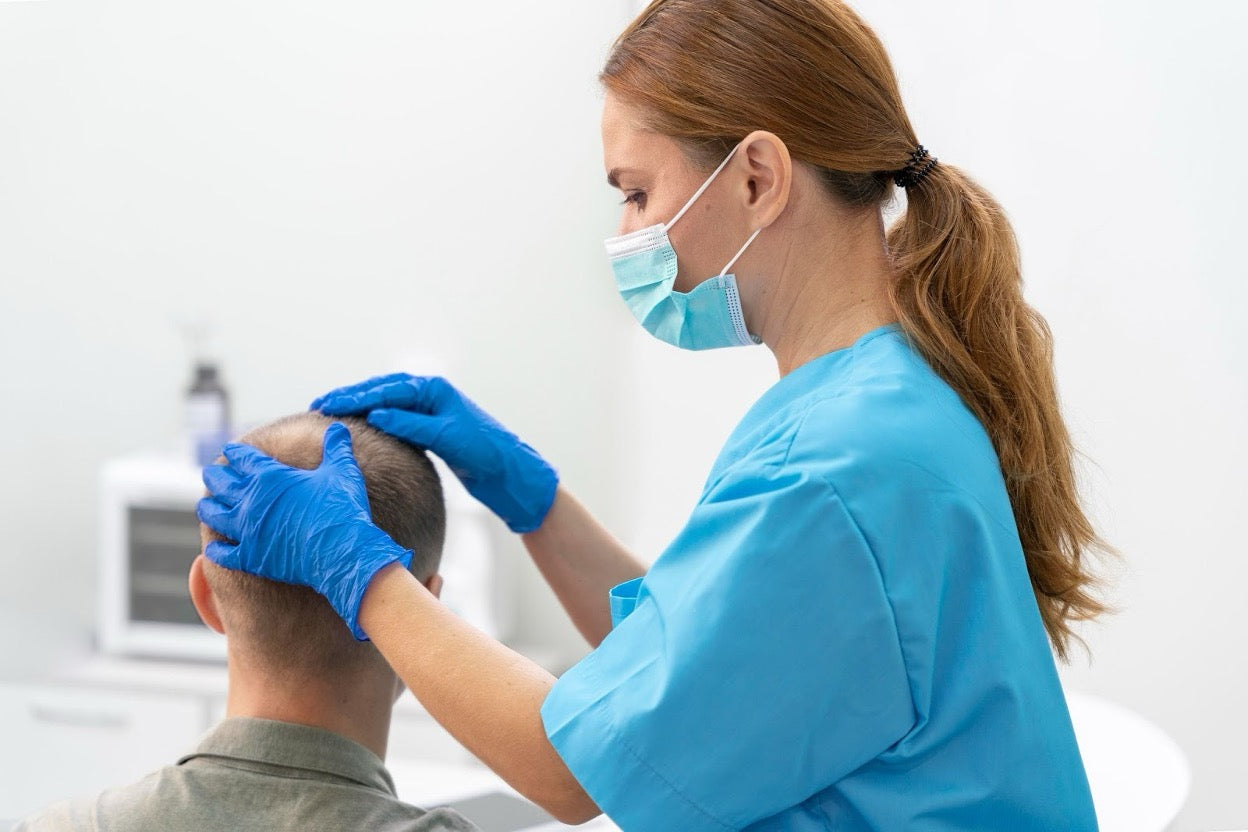
Research shows that Hashimoto's thyroiditis is the most common cause of hypothyroidism in developed countries. Here, the immune system attacks the thyroid, reducing T3 and T4 production. This autoimmune activity can also affect hair follicles, causing continued hair loss even when TSH levels appear normal. Testing for thyroid peroxidase (TPO-Ab) and thyroglobulin antibodies (TG-Ab) is key for accurate diagnosis.
Iodine Deficiency and Nutritional Gaps
Iodine is essential for thyroid hormone production. Research shows that a deficiency of iodine can slow hormone synthesis and trigger diffuse hair thinning and shedding. Other nutrients also play vital roles in follicle function and thyroid activity. Low levels of these nutrients can worsen hair thinning or directly trigger shedding.
Post-Surgical Hypothyroidism and Medication-Induced Imbalance
Surgical removal of the thyroid (thyroidectomy) causes abrupt hormone drops, often leading to noticeable hair loss within 2–3 months. Certain prescription medications, including mood stabilizers, heart rhythm medications, and immune modulators, can also suppress thyroid function and trigger diffuse shedding. In these cases, thyroid hormone replacement is crucial to restore follicle growth, even if medication continues.
What Does the Hair Regrowth Timeline Look Like After Hypothyroidism?
Patients often ask how long it takes for hair to grow back after hypothyroidism. The truth is that full recovery can take time, but most patients who address all contributing factors systematically see noticeable results. Setting realistic expectations early helps prevent unnecessary frustration and the temptation to quit before regrowth kicks in.

Hair regrowth after thyroid treatment is gradual, as follicles need time to shift back into the active growth phase.
Why Shedding Continues 2–3 Months After Treatment Starts
Many patients notice continued or even increased shedding in the first 2–3 months of starting thyroid hormone replacement therapy. This does not mean the medication is failing. It reflects the hair cycle's natural lag. Hairs pushed into the resting (telogen) phase during hormonal disruption take 2–4 months to shed, while stabilizing hormone levels begin signaling dormant follicles to re-enter growth (anagen). Old hairs exit as new ones start forming beneath the scalp, creating a parallel process that explains delayed visible results.
What a Full Recovery Timeline Actually Looks Like
A realistic regrowth timeline after starting hypothyroidism treatment generally follows this pattern:
- Early Phase: Hormones begin to stabilize, and follicles receive growth signals. Some shedding may continue, which is normal.
- Follicle Formation: Old hairs continue to shed while new follicles develop beneath the scalp. Growth is not yet visible.
- Initial Regrowth: Fine new hairs start emerging at the scalp, and overall shedding begins to slow.
- Active Growth: Regrown hairs lengthen, with noticeable improvements in volume, thickness, and texture.
- Full Restoration: Hair density approaches pre-loss levels, completing full hair cycles with consistent care.
Individual timelines vary based on untreated duration, hormonal deficit severity, Hashimoto’s antibody presence, and nutritional support. Patients who address hormones, nutrition, and lifestyle simultaneously often experience faster and more complete regrowth than those relying on medication alone.
Trybello: Hair Recovery Support for Thyroid-Related Hair Thinning
The good news is that hypothyroid-related hair loss is largely reversible. With proper hormone management, targeted nutrition, and consistent scalp support, most people see meaningful regrowth within several months.
For those struggling with hair thinning due to hormonal imbalances like hypothyroidism, Trybello provides a science-backed, natural approach to revitalizing hair. Our Trybello Hair Helper Spray and Trybello Hair Helper Spray Plus are formulated with biotin, caffeine, and patented peptides to stimulate follicles and support visible regrowth. Complementary products, including Hair Repair & Anti-Stress Gummies and Daily Hair Boosters, provide nutritional support to help hair recover from internal stressors.

Trybello Hair Helper Spray and supportive supplements work together to nourish follicles and support fuller, stronger hair over time.
Users commonly report noticeable improvement in hair volume and reduced shedding within weeks, making Trybello an ideal complement to thyroid hormone therapy. With vegan, cruelty-free, and clinically supported formulations, Trybello products are designed to nurture scalp health, enhance follicle strength, and restore confidence in your hair, all backed by our 120-day risk-free trial.
Start Your Hair Recovery Today!
Frequently Asked Questions (FAQs)

Trending Topics


*Disclaimer: Individual results may vary. The information provided in this article is for educational purposes only and is not intended as medical advice. Consult a healthcare professional before starting any new hair or lash care regimen, especially if you have sensitivities or underlying health conditions. Product pricing is subject to change. For full terms, visit Trybello.com.

See our latests posts #TRYBELLO