Hair Loss Due To Protein Deficiency: Causes, Solutions & Reversal Options
BY TRYBELLO
Mar 27, 2026

Key Takeaways
- Protein deficiency is a common but often overlooked cause of hair loss. It can affect anyone regardless of age or genetics, and is frequently missed even by those on seemingly healthy diets.
- Hair is mostly made of keratin, a protein, and low protein intake diverts nutrients away from follicles, leading to shedding.
- Low-protein diets, malabsorption issues, and rapid weight loss can all trigger temporary hair loss known as telogen effluvium. Identifying the cause early gives you the best chance of full recovery.
- Supporting hair recovery requires consistent protein intake from whole foods and, when needed, targeted supplements to supply essential amino acids and nutrients. Pairing diet improvements with the right topical support speeds up results.
- Trybello products provide targeted scalp and hair support, helping nourish follicles, reduce shedding, and promote visibly healthier, fuller hair.
Protein Deficiency Can Cause Serious Hair Loss: What You Need To Know
Hair loss is often linked to genetics or hormones, but nutritional deficiencies, especially protein deficiency, are a frequently overlooked cause that can affect anyone. The good news: when protein is the culprit, hair loss is typically reversible once intake is corrected.
Hair Is Almost Entirely Made of protein
Hair is about 90% keratin, a structural protein made from amino acids. Without enough dietary protein, your body lacks the building blocks for new hair. Because hair is non-essential, protein is first diverted to vital functions like organs, immunity, and muscle, leaving follicles without the resources to grow.
How Protein Deficiency Disrupts the Hair Growth Cycle
Hair grows in four phases: anagen (growth), catagen (transition), telogen (rest), and exogen (shedding). Low protein triggers a mass shift into the telogen phase, known as telogen effluvium, causing widespread shedding. Visible hair loss usually appears 2–4 months after the deficiency begins due to this delayed effect.
The Difference Between Temporary Shedding and Lasting Damage
Protein deficiency typically does not destroy follicles. Instead, follicles enter a dormant state and can resume growth once nutrition improves. This differs from pattern baldness, where follicles shrink and lose function permanently. With timely intervention, protein-related shedding is reversible.
“Enhanced with Capixyl™ for 2X Faster Results! Why Smart Women Are Upgrading to Bello Hair Helper Spray Plus!"
Experience accelerated hair transformation with our enhanced formula featuring scientifically-proven Capixyl™. See visible growth in just 4 weeks, not 12.
Advanced Natural Formula with Capixyl™
- • Capixyl™ – Clinically proven to lower DHT levels and stimulate follicles for 2X faster growth
- • Enhanced Biotin – Maximum scalp absorption for accelerated thickness
- • Caffeine Extract – Boosts ingredient absorption and blood circulation
- • Rice Water + Red Clover – Reduces shedding by up to 60%
120-Day Growth Guarantee: No results after 4 months? Full refund, no questions asked.


What Actually Causes Protein Deficiency Hair Loss?
Protein deficiency doesn’t always come from severe malnutrition. It can develop slowly through everyday eating habits and underlying health conditions that reduce protein intake or absorption.
Low Protein Diets and Restrictive Eating
Diets that cut calories or eliminate major protein sources, like meat, dairy, eggs, or legumes, can leave intake below recommended levels. Adults generally need at least 0.8 grams of protein per kilogram of body weight daily, but higher amounts may be required during stress, illness recovery, or high activity. Many people unknowingly consume too little protein, even on seemingly healthy diets.
Malabsorption Conditions That Block Protein Uptake
Even with enough dietary protein, conditions like Crohn’s disease, celiac disease, and SIBO can prevent proper absorption. When the gut cannot break down or transport amino acids effectively, hair follicles may suffer despite adequate intake. This is a common but often overlooked cause of unexplained hair loss.
Rapid Weight Loss and Crash Dieting
Sudden calorie restriction can deplete protein stores quickly, with hair follicles being among the first affected. Research links rapid weight loss to acute telogen effluvium, with shedding often peaking after dietary changes. Because hair loss appears weeks after the nutritional stress, deficiency-related shedding can go undiagnosed for a long time.

Low protein intake or absorption issues can starve follicles of the nutrients they need, leading to thinning and shedding.
What Are the Best Solutions for Protein Deficiency Hair Loss?
Fixing protein deficiency hair loss starts with addressing the nutritional gap. Combining dietary improvements, targeted supplementation, and follicle support gives you the best results. Topical products alone cannot substitute for proper protein intake.
High-Protein Foods That Directly Support Hair Regrowth
Whole foods with complete amino acids are key. Eggs provide all essential amino acids plus biotin. Salmon adds protein and anti-inflammatory omega-3s. Greek yogurt, lentils, quinoa, lean poultry, and grass-fed beef round out the list of recovery-supporting options. Plant-based diets require combining foods, like rice with legumes, to ensure complete amino acid intake. Aim for 1.2–1.6 grams of protein per kilogram of body weight during recovery.
The Role of Essential Amino Acids Like L-Lysine
Clinical research shows that L-Lysine supports iron and zinc absorption and strengthens hair structure. Found in meat, fish, eggs, and legumes, it’s often low in restrictive or plant-heavy diets.
Protein Supplements Worth Considering
When whole foods alone don't meet your protein needs, protein powders can help fill the gap. Whey protein isolate is highly bioavailable, while pea and rice protein provide a complete plant-based alternative. Hydrolyzed collagen supports scalp and connective tissue health, though it’s not a complete protein.
Medical Treatments To Accelerate Hair Recovery
Once nutrition is corrected, some people use treatments to speed regrowth. Topical or oral minoxidil stimulates follicles, low-level laser therapy (LLLT) encourages growth, and platelet-rich plasma (PRP) injections deliver growth factors to dormant follicles. These treatments complement, but do not replace, proper protein intake; the root cause must be addressed first.
The Best Options to Reverse Protein Deficiency Hair Loss
Correcting protein deficiency through diet is the most effective way to restore hair growth. Recovery goes beyond hitting a daily protein number; it’s about consistently supplying follicles with complete amino acids to rebuild keratin and re-enter the growth phase. Whole food proteins also provide nutrients like iron, zinc, and B vitamins, which further support follicle health.

A protein-rich diet supplies the essential building blocks for stronger, fuller hair.
Animal-Based Protein Sources
Animal proteins are complete, providing all nine essential amino acids. Eggs are especially valuable, offering high-quality protein plus biotin and selenium for keratin synthesis. Chicken, salmon, Greek yogurt, and lean beef are excellent choices, with salmon adding omega-3s to reduce scalp inflammation. Including one complete animal protein source per main meal can help maximize recovery.
Plant-Based Protein Sources
Plant-based diets require intentional combinations to cover all essential amino acids. High-protein options include lentils, chickpeas, black beans, quinoa, tempeh, and edamame. Quinoa and soy-based foods provide all essential amino acids on their own, while other plant sources can be paired (e.g., rice and beans) to cover the full spectrum.
Supplements That Support Hair Recovery
Targeted supplementation can accelerate recovery, especially when absorption is limited or dietary changes aren’t enough.
- Amino Acid Supplements: Cysteine (as N-acetyl cysteine) and methionine support keratin formation, while collagen peptides supply glycine, proline, and hydroxyproline to strengthen scalp connective tissue.
- L-Lysine: Supports iron and zinc absorption, enhancing follicle recovery. Particularly helpful for vegetarians or those with plant-heavy diets.
Combining protein-rich foods with targeted supplementation provides a strong foundation for reversing deficiency-related hair loss and promoting healthy regrowth.
Ready to Rebuild Your Hair? Start With Trybello
Protein deficiency hair loss is one of the more treatable forms of hair loss, but only when you address it from both directions: what you eat and how you care for your scalp. Once your nutrition is on track, giving your follicles targeted external support is the natural next step. Our Trybello range is designed to complement your nutritional efforts and help maintain healthy, growing hair. From sprays to shampoos and conditioners, each product works to nourish follicles, reduce shedding, and create the ideal environment for hair to thrive.

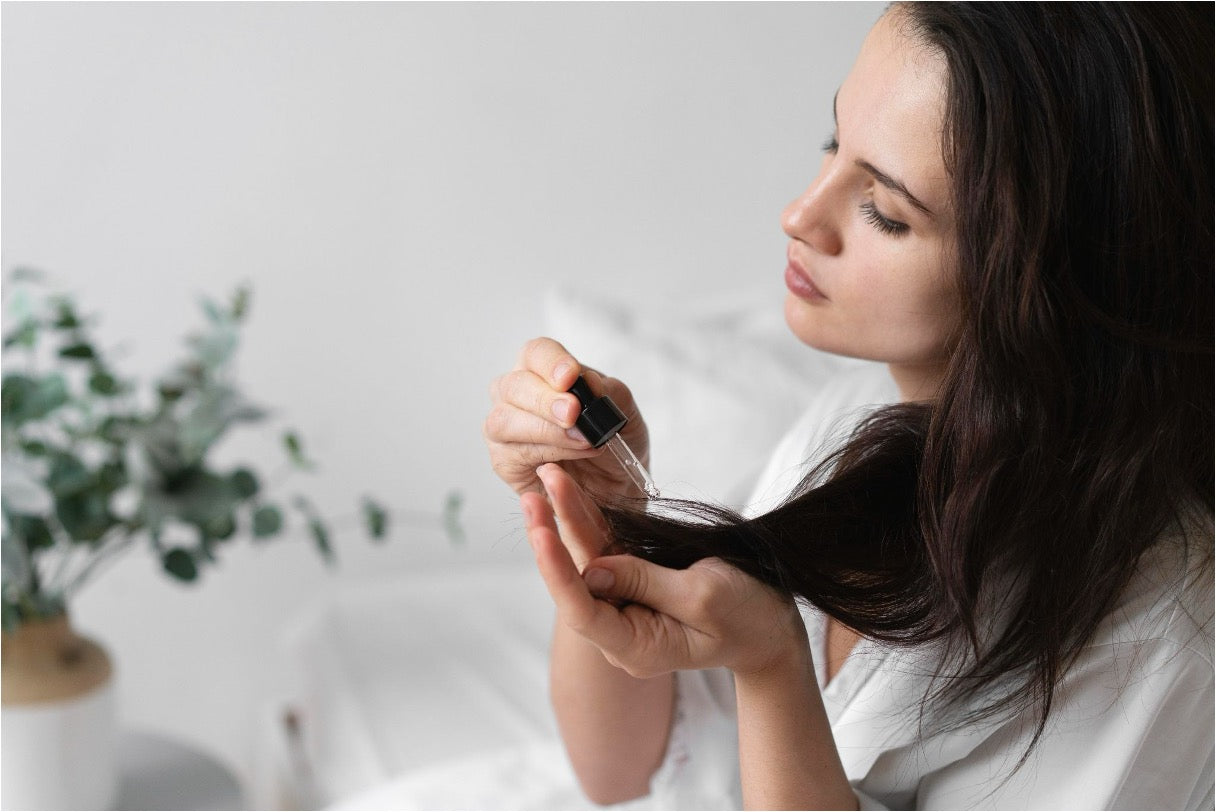
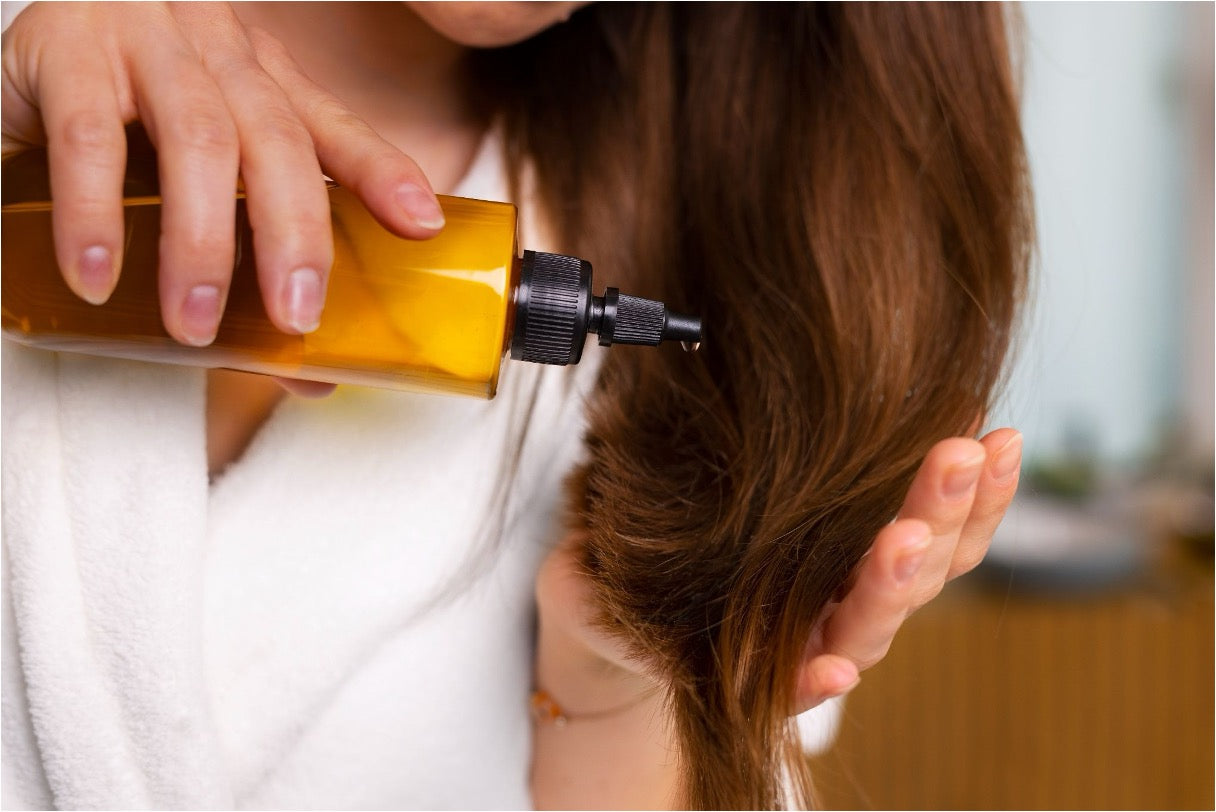
Support your hair from root to tip with Trybello’s nourishing products for stronger, healthier growth.
We focus on clean, science-backed ingredients, free from harsh chemicals or artificial fragrances. Biotin, caffeine, and plant extracts are selected for their ability to stimulate the scalp, strengthen existing strands, and improve overall hair density. Using our products alongside consistent protein intake helps speed up recovery and supports fuller, healthier hair more effectively.
Our range also includes oral supplements that supply essential nutrients and amino acids your body needs for follicle health, complementing what your diet provides. Combined with a balanced diet, Trybello provides a complete approach to hair regrowth, addressing both internal nutrition and external follicle support to help hair look fuller, healthier, and more resilient.
Support stronger, healthier hair with Trybello.
Frequently Asked Questions (FAQs)

Trending Topics




*Disclaimer: Individual results may vary. The information provided in this article is for educational purposes only and is not intended as medical advice. Consult a healthcare professional before starting any new hair or lash care regimen, especially if you have sensitivities or underlying health conditions. Product pricing is subject to change. For full terms, visit Trybello.com.

See our latests posts #TRYBELLO