Hair Loss After Accutane: Causes, Timeline & Treatment
BY TRYBELLO
Mar 23, 2026

Key Takeaways
- Accutane (isotretinoin) can cause hair loss in a significant number of users, and it's one of the most under-reported side effects of the medication.
- The most common type of hair loss from Accutane is telogen effluvium, a temporary, stress-induced shedding that typically resolves after stopping the medication.
- Full hair recovery after Accutane can take anywhere from 10 to 16 months, but the vast majority of cases are not permanent.
- Risk factors include older age, higher cumulative doses, and longer treatment duration.
- Trybello Hair Helper Spray is designed to accelerate the regrowth process during and after recovery. It is a dermatologist-recommended blend of biotin, caffeine, and castor oil that supports thicker, stronger regrowth with visible results in as little as 8 weeks.
Hair Loss From Accutane Is More Common Than You Think
Accutane (isotretinoin) is an oral prescription medication used to treat severe, persistent nodular or cystic acne that has not responded to other treatments. Most people starting Accutane are warned about dry skin, chapped lips, and sun sensitivity. Hair loss rarely makes the list of "things to expect" during the pre-treatment consultation. Yet the research paints a different picture.
A study examining 6,330 patients with hair loss found that 48 had been prescribed isotretinoin (Accutane) between 2013 and 2018. Of those 48, hair loss occurred concurrently with or within 2 years of isotretinoin use in 19 patients (39.6%). That's a meaningful number, especially considering how frequently mild shedding goes unreported or gets blamed on other causes.
This article breaks down Why Does Accutane Cause Hair Loss?, and what you can actually do about it.
“Doctor-Approved Natural Spray Rapidly Boosts Growth & Thickness.
Why 100,000+ Women Are Switching to Trybello!"
Join over 100,000 happy customers who've transformed their hair with our doctor-formulated spray in just 12 weeks, rated 4.8/5 by 40,000+ real users.
Proven Natural Ingredients
- • Caffeine Extract – Blocks DHT and boosts blood flow to follicles
- • Biotin – Direct scalp absorption, no pills needed
- • Castor Oil – Soothes inflammation and locks in moisture
- • Rice Water Extract – Strengthens hair and reduces shedding
120-Day Growth Guarantee: No results? 100% money back, no questions asked.


Why Does Accutane Cause Hair Loss?

Isotretinoin interferes with the hair growth cycle by affecting the follicular epithelium, the tissue lining that supports hair growth.
Isotretinoin Shrinks the Oil Glands Your Hair Depends On
Isotretinoin clears acne by dramatically shrinking your sebaceous (oil) glands. The problem is that those glands sit right next to your hair follicles and play a direct role in supporting them. When isotretinoin reduces oil production, the follicular lining that keeps hair in its active growth phase is disrupted as well.
When that support is disrupted, follicles exit the growth phase prematurely. The result is a disproportionate shift toward the telogen phase. Follicles that were actively growing essentially go dormant simultaneously, leading to widespread shedding weeks to months later. The follicle is pausing, not dying.
The Role of Telogen Effluvium
Telogen effluvium is the clinical term for this type of hair loss. It's a reactive, diffuse shedding triggered when a major physiological stressor, such as illness, surgery, or medication like isotretinoin, forces large numbers of follicles into rest simultaneously.
Shedding typically begins two to four months after the trigger, which is why many patients don't connect it to Accutane right away. The key reassurance is that telogen effluvium is largely reversible once the trigger is removed.
Hair Loss Timeline on Accutane

One of the most disorienting parts of Accutane-related hair loss is the timeline. It rarely follows a neat, predictable schedule, but understanding the general pattern helps set realistic expectations and signals when something might be outside the normal range.
When Shedding Typically Begins
Most people on Accutane start to notice increased hair shedding between 2 and 4 months into treatment. It usually shows up as more hair than usual on your pillow, in the shower drain, or caught in your brush after a single pass. Because the loss is diffuse, spread evenly across the scalp rather than concentrated in one area, it can be easy to dismiss early on.
The tricky part is that the shedding you notice today was triggered weeks ago at the level of the follicle. By the time it's visible, the process is already well underway. This delay is a hallmark of telogen effluvium and is one reason many patients and even some clinicians initially miss the connection between the medication and the hair loss.
Regrowth Starts at 3–4 Months After Stopping
Once isotretinoin is discontinued, the biological trigger for hair loss is removed. Follicles that were pushed into the telogen phase begin cycling back into anagen.
Most people notice the first signs of regrowth, such as fine, short hairs along the hairline and part, around 3 to 4 months after stopping the medication. This regrowth can initially appear thinner or softer in texture, which is completely normal as the follicle rebuilds its output.
How Long Will Full Recovery Take?
Full restoration of pre-Accutane hair density typically takes several months to a year or more after stopping the medication, with most people seeing meaningful recovery by the 6–12 month mark. For most people, the trajectory is steady, gradual thickening and filling in as more follicles return to active growth.
However, if androgenetic alopecia was already present or quietly developing before Accutane was started, the recovery timeline may look different, and some baseline density may not fully return without additional treatment.
What Are Your Treatment Options If Hair Loss Has Already Started?

The moment you notice significant shedding, the most important step is to act, not wait. Early intervention gives you the best shot at minimizing total loss and shortening the recovery window.
Dose Reduction or Stopping Accutane
The first and most critical conversation to have is with your dermatologist. A dose reduction may be enough to reduce the physiological stress on the hair follicles without abandoning the acne treatment entirely.
In more significant cases of shedding, stopping isotretinoin altogether may be the appropriate call. Don't make this decision unilaterally; your dermatologist needs to weigh it against your progress in acne treatment.
Addressing Iron Deficiency and Other Nutritional Gaps
Isotretinoin's effect on the gut and overall physiology can contribute to nutritional depletion over the course of treatment. Iron deficiency is one of the most well-established nutritional drivers of hair loss, and ferritin levels (stored iron) are particularly important; even levels that fall within the low-normal range on a standard lab panel can be insufficient to support optimal hair growth.
During or after Accutane treatment, aim for a ferritin level above 50–60 ng/mL if hair loss is a concern. Other nutrients worth checking include zinc, vitamin D, and B12, all of which play roles in the hair growth cycle and can be quietly depleted during prolonged Accutane use.
Trybello Hair Helper Spray: Get Your Hair Growing Again
Hair loss after Accutane is real, it's common, and it's temporary for most people. The key is acting early and giving your follicles the right support through the recovery window. Trybello Hair Helper Spray is built around three ingredients to support your hair through this recovery and revitalize your follicles.

Trybello Hair Helper Spray combines biotin, caffeine, and castor oil to support stronger, thicker regrowth right at the root.
Biotin strengthens each new strand by boosting keratin production, so hair grows back thicker instead of thin and fragile. Caffeine wakes up your follicles by increasing blood flow to the scalp, delivering more oxygen and nutrients to roots that have gone dormant. Castor oil locks in moisture, soothes the scalp, and protects new growth from breaking off before it has a chance to fill in.
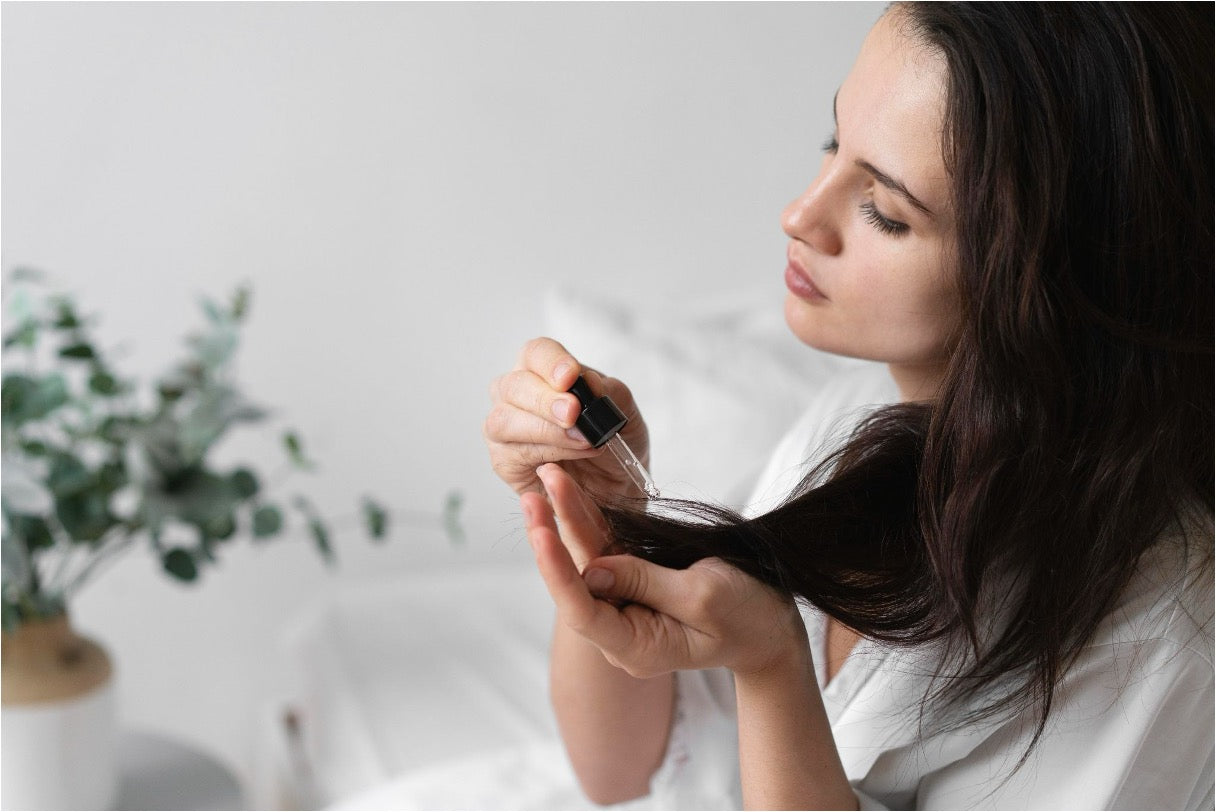
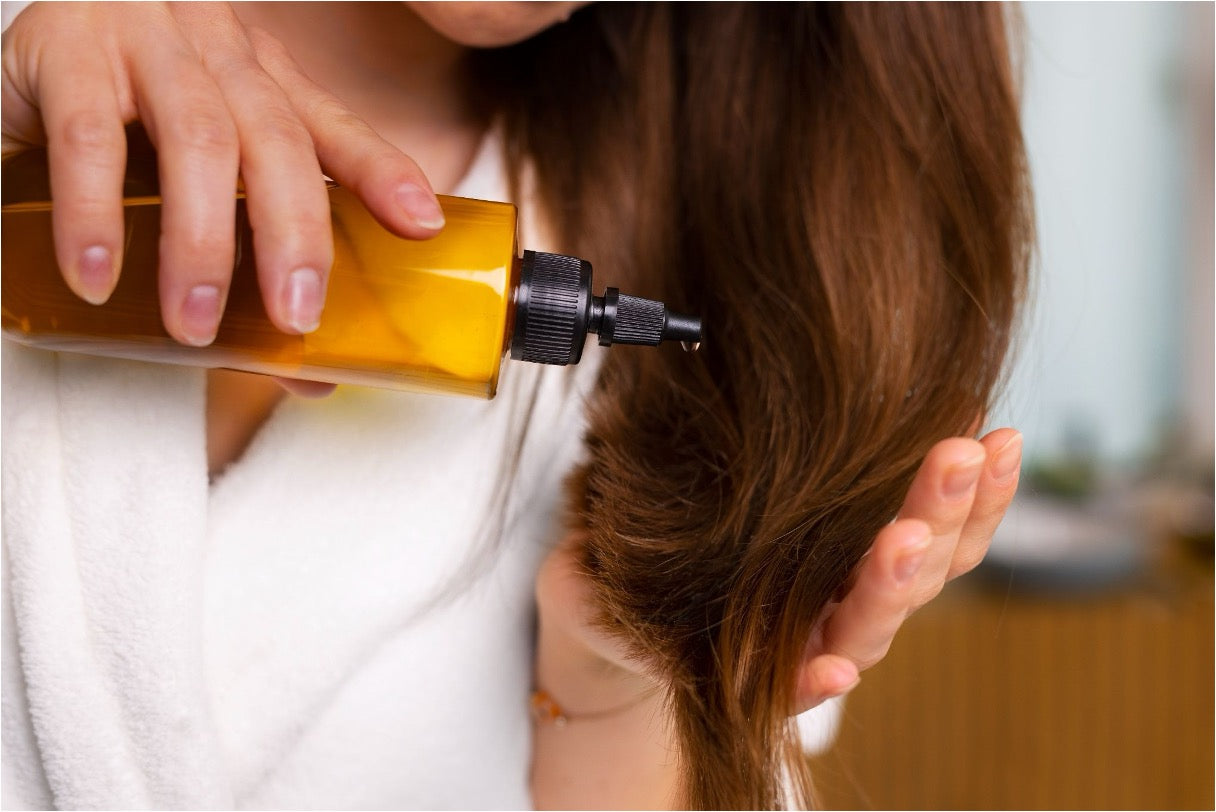
The routine is simple. Part your hair, spray directly onto your thinnest areas, massage for one to two minutes, then rinse after 30 minutes or leave it in. Use it twice a day. Most of our customers see less shedding by week four and new growth by week eight.
Your hair is ready to grow back. We made the spray that helps it happen, and we back it with our Complete 120-Day Growth Guarantee because we're confident you'll see the difference.
Frequently Asked Questions (FAQs)

Trending Topics






*Disclaimer: Individual results may vary. The information provided in this article is for educational purposes only and is not intended as medical advice. Consult a healthcare professional before starting any new hair or lash care regimen, especially if you have sensitivities or underlying health conditions. Product pricing is subject to change. For full terms, visit Trybello.com.

See our latests posts #TRYBELLO