Laser Therapy vs Microneedling for Hair Loss: Results, Cost & Side Effects
BY TRYBELLO
Mar 27, 2026

Key Takeaways
- If you're experiencing thinning hair or hair loss, laser therapy and microneedling are two of the most clinically backed, minimally invasive options available — both work by reactivating dormant follicles and improving hair density without surgery.
- LLLT uses light to boost follicle energy and reduce inflammation. In-clinic sessions cost $100–$500; at-home devices range $600–$3,500.
- Microneedling triggers growth factors and enhances topical absorption. Professional sessions cost $200–$700; at-home rollers cost $21–$199.
- Combining both treatments often delivers faster, more noticeable results with consistent use.
- Trybello Hair Helper Spray and supplements support scalp health, reduce shedding, and complement laser therapy or microneedling for fuller-looking hair, making it easy to build a complete, consistent hair care routine.
Two Real Treatments, One Clear Goal: Stopping Hair Loss
Both laser therapy and microneedling are clinically backed, non-surgical options for hair loss, and in most cases, using them together delivers better results than picking just one. Laser therapy works best for long-term density maintenance, while microneedling tends to produce faster early-stage regrowth, especially when paired with topicals like minoxidil. Both work by stimulating sluggish or dormant follicles, and pairing either treatment with a daily scalp support routine further improves outcomes over time.
“Doctor-Approved Natural Spray Rapidly Boosts Growth & Thickness.
Why 100,000+ Women Are Switching to Trybello!"
Join over 100,000 happy customers who've transformed their hair with our doctor-formulated spray in just 12 weeks, rated 4.8/5 by 40,000+ real users.
Proven Natural Ingredients
- • Caffeine Extract – Blocks DHT and boosts blood flow to follicles
- • Biotin – Direct scalp absorption, no pills needed
- • Castor Oil – Soothes inflammation and locks in moisture
- • Rice Water Extract – Strengthens hair and reduces shedding
120-Day Growth Guarantee: No results? 100% money back, no questions asked.


How Laser Therapy Targets Hair Loss
Low-level laser therapy uses focused red or near-infrared light to penetrate the scalp and stimulate hair follicles at a cellular level. The science behind it is well-established and supported by a broad body of research.
Low-Level Laser Therapy (LLLT): How It Stimulates Hair Follicles
LLLT works through photobiomodulation, where specific light wavelengths are absorbed by follicle cells. This boosts energy production (ATP), reduces inflammation, and helps shift hair from the resting (telogen) phase into the active growth (anagen) phase, leading to thicker, healthier hair with consistent use.
FDA-Cleared Laser Devices for Hair Loss
Not all devices are equal. FDA-cleared options like the iRestore Essential Laser Hair Growth System, Capillus272 Pro Laser Therapy Cap, and HairMax LaserBand 82 have met safety and effectiveness standards, distinguishing them from unverified alternatives.
In-Clinic Laser Treatments vs. At-Home Laser Caps and Combs
In-clinic treatments use higher-powered devices for more controlled and intensive sessions. At-home options operate at lower power, requiring consistent use over time. Clinics offer precision and strength, while home devices provide convenience and long-term value.

Laser therapy gently stimulates hair follicles to boost growth and improve density over time.
How Microneedling Treats Hair Loss
Microneedling uses a device with ultra-fine needles to create controlled micro-injuries on the scalp. This process activates natural repair mechanisms that support healthier, stronger hair growth.
How Micro-Injuries Trigger Hair Regrowth
These tiny punctures trigger the body’s healing response, research shows it releases growth factors like PDGF and VEGF that stimulate hair follicles. It also activates stem cells in key follicle areas, helping restart the hair growth cycle. Needle depths typically range from 0.25mm to 2.5mm, depending on the treatment approach.
Microneedling with Minoxidil or PRP: Does It Work Better?
Microneedling can significantly improve the absorption of topical treatments. Using it before applying minoxidil allows deeper penetration into the scalp, while pairing it with PRP enhances results by delivering concentrated growth factors directly to the follicles.
What Does the Research Say About Hair Regrowth Results?
Unlike many hair loss treatments that rely on marketing alone, both laser therapy and microneedling are backed by clinical research. Results typically depend on consistency, hair loss stage, and combining treatments with supportive routines.
Clinical Evidence for Low-Level Laser Therapy
Multiple studies on LLLT show statistically significant increases in hair count and thickness, especially in androgenetic alopecia. FDA-cleared devices like HairMax have demonstrated measurable improvements compared to placebo groups, with most users seeing results after 16–26 weeks of consistent use. LLLT is particularly effective for maintaining and steadily improving hair density over time.
LLLT requires daily or regular use to see results, which can feel like a long-term commitment.
Clinical Evidence for Microneedling
Microneedling shows strong improvements in hair regrowth, especially when paired with topical solutions like minoxidil. Studies have reported significantly higher hair count increases compared to using topical treatments alone, with some participants seeing much greater improvement. Optimal results are typically seen with needle depths of around 0.6mm or greater, with sessions every 2–4 weeks and visible changes within 3–6 months.
It may cause slight redness or tenderness on the scalp for a short time after treatment.

Microneedling creates tiny scalp micro-injuries that activate natural growth factors.
Head-to-Head: Which Treatment Regrows More Hair?
Microneedling often produces faster visible results in early stages of hair thinning, while LLLT supports consistent, long-term density improvements. Rather than choosing one, combining both approaches, alongside supportive care like Trybello Hair Helper Spray and internal supplements, can help strengthen follicles, improve scalp health, and enhance overall regrowth outcomes.
Cost Comparison: Laser Therapy vs Microneedling
Cost is an important factor when choosing between these treatments, with significant differences between in-clinic and at-home options.
Average Cost of Laser Hair Loss Treatments
In-clinic laser sessions usually cost $100–$500 each. At-home FDA-cleared devices like the Capillus can cost between $589.99 to $3,499, and the iRestore device has two models: iRestore Essential starts at $695 and iRestore Professional starts at $1,195; both require a higher upfront investment but can be more economical over time with consistent use.
Average Cost of Microneedling for Hair Loss
Professional microneedling sessions range from $200–$700. At-home dermarollers cost $21–$199, but using them unsupervised carries risks and less reliable results compared to clinic treatments.
What Are the Side Effects of Laser Therapy and Microneedling?
Both laser therapy and microneedling are generally safe compared to surgical hair restoration, but knowing potential side effects helps set realistic expectations. While most reactions are mild and temporary, proper precautions ensure treatments remain effective and safe.
Laser Therapy Side Effects
LLLT is non-invasive and well-tolerated. Common side effects include mild scalp warmth, tingling, temporary redness, or slight dryness, usually resolving within hours. Eye protection is essential during sessions to avoid sensitivity. People with photosensitivity, certain medications, or a history of scalp skin cancer should consult a doctor before starting treatment.
Microneedling Side Effects
Microneedling involves tiny punctures in the scalp, so short-term effects are slightly more noticeable. Redness, scalp sensitivity, minor swelling, and occasional pinpoint bleeding are common, typically resolving within 1–3 days. Infection is the main risk, but it can be prevented with sterile equipment and proper aftercare. Rarely, post-inflammatory hyperpigmentation may occur, mostly in patients with darker skin tones.
Who Should Avoid Each Treatment
Laser therapy should be avoided in cases of active scalp infections, photosensitivity, pregnancy, or epilepsy without medical guidance. Microneedling is not suitable for those with scalp eczema, psoriasis, open wounds, clotting disorders, or a tendency toward keloid scarring. Consulting a professional ensures the safest approach for either treatment.
Laser Therapy vs Microneedling: Key Hair Regrowth Insights
| Feature | Laser Therapy (LLLT) | Microneedling |
|---|---|---|
| How It Works | Uses light to stimulate follicle energy, reduce inflammation, and shift hairs into the growth phase | Creates tiny scalp micro-injuries, triggering growth factors and stem cell activation |
| Time to Visible Results | 16–26 weeks with consistent use | 3–6 months; faster results when combined with topicals like minoxidil or PRP |
| Effectiveness | Gradual improvement; strong long-term maintenance | Often faster early-stage regrowth; can increase hair count more with combination treatments |
| Cost | In-clinic: $100–$500/session; At-home devices: $600–$3,500 | Professional: $200–$700/session; At-home rollers: $21–$199 (less reliable) |
| Side Effects | Mild warmth, tingling, temporary redness or dryness; eye protection required | Short-term redness, tenderness, minor swelling, or pinpoint bleeding; infection risk if not sterile |
| Minor Drawback | Requires daily or regular use for results | May cause temporary scalp redness or tenderness |
| Who Should Avoid | Active scalp infections, photosensitivity, pregnancy, and epilepsy without guidance | Scalp eczema, psoriasis, open wounds, clotting disorders, and keloid-prone skin |
Ready to Get Better Results? Add Trybello to Your Routine
Trybello takes a science-driven approach to hair regrowth, combining topical treatments like the Trybello Hair Helper Spray with nutritional supplements that work from the inside out. Formulated with clean, research-backed ingredients such as biotin, caffeine, and plant extracts, these products help reduce shedding, strengthen follicles, and support thicker, fuller-looking hair over time. Designed for consistent use, Trybello’s vegan and cruelty-free formulas are suitable for adults experiencing stress-related hair loss, thinning, or early-stage bald spots.

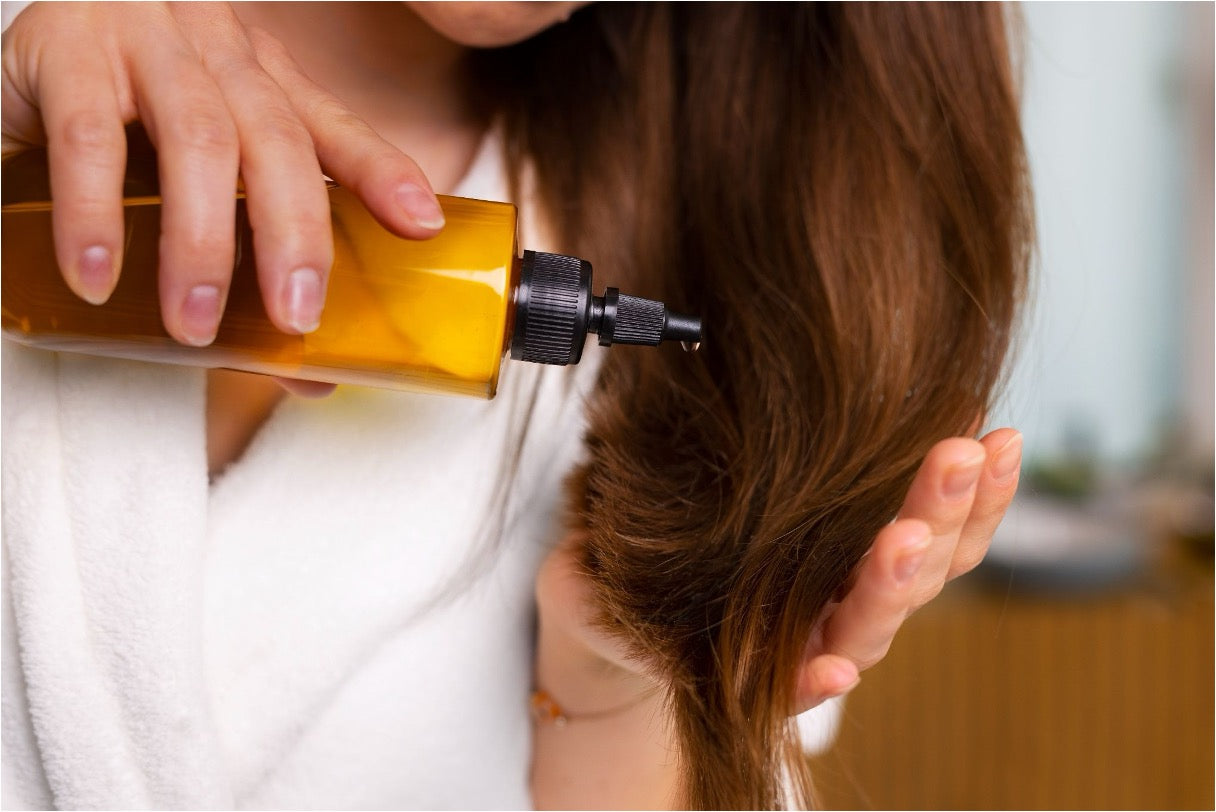
Using Trybello Hair Helper Spray alongside treatments supports follicle strength and reduces shedding.
By complementing in-office or at-home treatments like laser therapy and microneedling, Trybello enhances overall hair health and regrowth potential. With a 120-Day Growth Guarantee, users can try the system with confidence, knowing the products are backed by research and positive user experiences. This makes Trybello a reliable option for anyone seeking safe, effective hair care solutions that work consistently alongside any hair health routine.
Try Trybello risk-free and see the difference.
Frequently Asked Questions (FAQs)

Trending Topics




*Disclaimer: Individual results may vary. The information provided in this article is for educational purposes only and is not intended as medical advice. Consult a healthcare professional before starting any new hair or lash care regimen, especially if you have sensitivities or underlying health conditions. Product pricing is subject to change. For full terms, visit Trybe

See our latests posts #TRYBELLO