Hair Loss After RSV: Causes, Timeline & Solutions
BY TRYBELLO
Mar 13, 2026

Key Takeaways
- Respiratory Syncytial Virus (RSV) related hair loss is usually telogen effluvium, a temporary shedding condition triggered by the physical stress of fighting a serious respiratory virus.
- Hair shedding typically begins 2 to 3 months after RSV recovery, and most people notice natural regrowth within 6 to 9 months.
- Gentle scalp care, balanced nutrition, and targeted topical treatments can support hair strength and reduce shedding during the post-illness recovery phase.
- Recognizing the pattern and timeline of post-RSV hair loss helps set realistic expectations and reduces unnecessary worry during the shedding stage.
- Trybello Hair Helper Spray combines biotin, caffeine, and castor oil to support follicle recovery and reduce shedding, making it a practical addition to any post-illness hair care routine.
Why RSV Can Lead to Noticeable Hair Thinning
Hair loss after RSV is almost always caused by telogen effluvium, a temporary shedding condition triggered when the physical stress of illness prematurely pushes hair follicles into their resting phase. Shedding typically begins two to three months after recovery and can last several months before natural regrowth takes over. The good news is that this type of hair loss resolves on its own for most people, and the right care routine can speed things along.
Several factors tied to RSV contribute to this response. Sustained fevers, reduced nutrition during illness, and elevated cortisol levels all disrupt the normal hair growth cycle. The more severe or prolonged the infection, the more follicles tend to be affected. The sections below break down the specific causes, expected recovery timeline, and practical steps you can take to support your hair through the process.
“Doctor-Approved Natural Spray Rapidly Boosts Growth & Thickness.
Why 100,000+ Women Are Switching to Trybello!"
Join over 100,000 happy customers who've transformed their hair with our doctor-formulated spray in just 12 weeks, rated 4.8/5 by 40,000+ real users.
Proven Natural Ingredients
- • Caffeine Extract – Blocks DHT and boosts blood flow to follicles
- • Biotin – Direct scalp absorption, no pills needed
- • Castor Oil – Soothes inflammation and locks in moisture
- • Rice Water Extract – Strengthens hair and reduces shedding
120-Day Growth Guarantee: No results? 100% money back, no questions asked.


How RSV Triggers Hair Shedding
The primary cause of hair loss following RSV is telogen effluvium. During a normal hair growth cycle, most of your hair follicles are in the active growth phase (anagen). A small percentage of hair is always in the resting phase (telogen), and those hairs eventually shed to make way for new growth.
When your body undergoes significant physical stress, such as fighting off a severe RSV infection, it can prematurely push a large number of follicles into the resting phase. Once those follicles complete the telogen phase, the hairs fall out in noticeable quantities. This is why the shedding tends to appear delayed rather than happening during the illness itself.
Several factors connected to RSV can amplify this process. High, sustained fevers over multiple days put additional strain on the body. Reduced appetite during illness can lead to nutritional deficits that affect hair follicle health. Medications used to manage symptoms, such as certain antivirals or anti-inflammatory drugs, may also disrupt the growth cycle. The combination of these stressors makes post-RSV hair loss a relatively common experience, particularly for those who have had prolonged or severe infections.

RSV triggers telogen effluvium by pushing hair follicles into their resting phase prematurely, with shedding typically appearing two to three months after the infection resolves.
Post-RSV Hair Loss Timeline: What to Expect
Understanding the timeline can help ease anxiety. Hair loss after RSV generally follows a predictable pattern.
Months one through two (the quiet phase). Hair may appear normal because the follicles that were pushed into the resting phase have not yet completed the telogen cycle. Most people do not notice any visible changes during this window.
Months two through four (peak shedding). Shedding becomes noticeable during this stage. You might find more hair on your brush, in the drain, or on your clothing. Losing 200 to 300 hairs per day (compared to the normal 50 to 100) is common during this period, and it can feel quite distressing even though it is a normal part of the process.
Months four through six (gradual recovery). The shedding begins to slow down. New hairs start emerging from follicles that have re-entered the growth phase. These new hairs are often short and fine, sometimes described as "baby hairs around the hairline and part."
Months six through nine (visible improvement). Most people see significant improvement by this point. Hair density returns to near-normal levels for the majority of individuals. Full recovery can sometimes take up to 12 months, depending on overall health, nutrition, and the degree of scalp support during recovery.
If hair loss persists beyond 12 months or worsens rather than improves, consulting a healthcare provider is recommended to rule out other underlying causes.
Solutions for Post-RSV Hair Thinning

A balanced approach combining proper nutrition, gentle scalp care, and stress management gives hair follicles the best chance to recover after RSV-related shedding.
Prioritize Nutrition for Hair Recovery
Your hair follicles need specific nutrients to rebuild and grow. After RSV, focus on replenishing the vitamins and minerals that support healthy hair. Iron, zinc, biotin, vitamin D, and B-complex vitamins are particularly relevant.
Protein intake matters, too, since hair is primarily made of keratin. Including eggs, lean meats, legumes, nuts, and leafy greens in your daily meals creates a strong foundation for recovery. If your appetite remains reduced due to illness, a targeted hair supplement can help fill nutritional gaps and provide follicles with the fuel they need.
Support Your Scalp With Gentle, Targeted Care
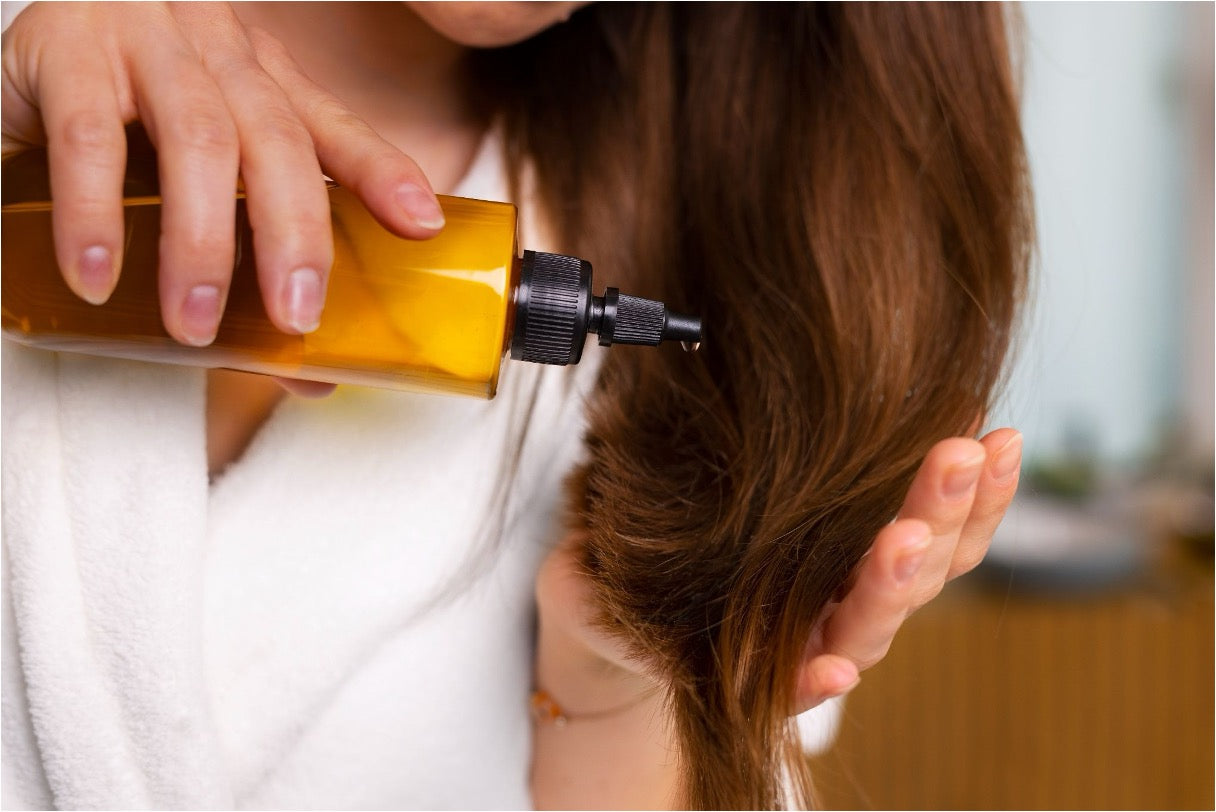
The scalp is the foundation of healthy hair growth, and treating it well during recovery can make a real difference. Avoid harsh shampoos that strip natural oils, and consider switching to sulfate-free formulas that cleanse without causing additional irritation. Topical treatments containing ingredients like biotin, caffeine, and castor oil can stimulate blood flow to the scalp and nourish follicles directly. Massaging the scalp for a few minutes each day also promotes circulation and can support the regrowth process.
Manage Stress to Prevent Continued Shedding
Stress is one of the most common triggers for telogen effluvium, and the anxiety of watching your hair fall out can create a cycle that prolongs the problem. Prioritizing sleep, incorporating light movement or exercise, and practicing calming routines can help regulate cortisol levels. Reducing stress supports hair regrowth and also aids overall recovery from illness.
Be Patient & Avoid Over-Treating
Resist the urge to use multiple aggressive treatments at once. Over-styling, heat tools, tight hairstyles, and chemical treatments can add unnecessary strain to already fragile hair. Stick to a simple, consistent routine and give your hair the time it needs to recover naturally. Pairing patience with a few well-chosen products will yield better results than a complicated regimen.
Why Trybello Hair Helper Spray Supports Post-RSV Hair Recovery

Trybello Hair Helper Spray uses a clean, science-driven formula of biotin, caffeine, and castor oil to support scalp health and hair regrowth, all backed by a 120-day results guarantee.
Hair loss after a serious illness calls for a targeted, gentle approach. Our Trybello Hair Helper Spray is a lightweight, leave-in scalp treatment formulated to reduce shedding and support visible regrowth. The blend of caffeine extract, biotin, and castor oil stimulates follicles and improves scalp circulation, which is particularly beneficial as hair recovers from the stress of RSV. Many of our Trybello customers report thicker, fuller hair within four to six weeks of consistent use, and the spray is non-greasy, fast-absorbing, and safe for daily application.
For a more complete recovery routine, we also offer products that pair well with the spray. Our Trybello Hair Repair & Anti-Stress Gummies use Anagain, L-theanine, and zinc to target stress-related shedding from the inside. Our Trybello Hair Growth Shampoo gently cleanses and preps the scalp for better spray absorption, and the Trybello Daily Hair Booster capsules deliver plant-based nutrients to strengthen follicles long-term.
Trybello is a US-based company, and we back every product with a 120-day results guarantee. If you do not see results, you can easily get your money back. For anyone dealing with post-RSV hair thinning, Trybello gives you a complete, risk-free path to support your hair's natural recovery.
Get Trybello Hair Helper Spray →
Frequently Asked Questions (FAQs)

Trending Topics




*Disclaimer: Individual results may vary. The information provided in this article is for educational purposes only and is not intended as medical advice. Consult a healthcare professional before starting any new hair or lash care regimen, especially if you have sensitivities or underlying health conditions. Product pricing is subject to change. For full terms, visit Trybello.com.

See our latests posts #TRYBELLO