Hair Loss After Stopping Birth Control: Causes, Timeline & Solutions
BY TRYBELLO
Apr 21, 2026

Key Takeaways
- Hair loss after stopping birth control is caused by three overlapping hormonal shifts: a sudden estrogen drop that pushes follicles into the resting phase, a rebound in free testosterone that can increase DHT activity at the follicle level, and elevated cortisol from the hormonal stress response, all driving synchronized shedding.
- Shedding typically begins 2 to 4 months after stopping birth control, may continue for up to 12 months without intervention, and can begin stabilizing within 8 to 12 weeks when nutrition, scalp health, and stress levels are actively supported.
- The most effective solutions address recovery on multiple fronts: rebuilding depleted nutrients like iron, zinc, and B vitamins; stimulating scalp circulation through topical ingredients; managing cortisol through consistent sleep and stress reduction; and using targeted treatments to maintain a growth-supportive scalp environment.
- For most women, post-pill hair loss is temporary and reversible because follicles are not permanently damaged. Density typically improves as hormones stabilize over time, though women with underlying conditions like PCOS may experience a longer recovery that benefits from additional medical guidance.
- Trybello Daily Hair Booster combines Polygonum multiflorum (Fo-ti), ginseng, and collagen to support follicle recovery and scalp health from within during the hormonal rebalancing period after stopping birth control, backed by a 120-day results guarantee.
Can Stopping Birth Control Cause Hair Loss?
Stopping birth control can cause noticeable hair shedding, and for many women, it arrives unexpectedly months after the change has already been made.
Nutritional supplements like Trybello Daily Hair Booster and topical scalp treatments are increasingly used by women managing this transition, alongside other options that range from clinical treatments to dietary adjustments. Before deciding on an approach, understanding what is actually happening in the body makes recovery far more manageable.
Post-pill hair loss is rooted in three interconnected changes. Estrogen drops sharply, pushing multiple follicles into the resting phase simultaneously. SHBG levels fall, releasing more free testosterone that can be converted into follicle-shrinking DHT. The hormonal disruption also raises cortisol, which adds a secondary stressor to the hair cycle.
The result is a wave of synchronized shedding that typically appears 2 to 4 months after stopping the pill and can persist for up to 12 months without support. When nutrition, scalp care, and stress management are addressed together, stabilization often begins much sooner, and regrowth follows as the cycle rebalances.
“Plant-Based Capsules Reverse Scalp Aging for Fuller, Thicker Hair. Why 597+ Women Rate This Daily Booster 5 Stars!"
Transform hair from the inside out with all-natural capsules that strengthen follicle structure and stimulate healthy growth in just 16 weeks.
Follicle-Reviving Ingredients
- • Polygonum Multiflorum (Fo-ti) – Revives dormant hair follicles
- • Ginseng – Promotes scalp circulation and natural beauty
- • Collagen – Strengthens retention, reduces shedding
Nature-Powered Benefits
- • Plant-based actives reverse scalp aging
- • Just 2 capsules each morning
- • Made in USA
120-Day Guarantee: No transformation? 100% money back.


What Causes Hair Loss After Stopping Birth Control?
The triggers behind post-birth control hair shedding are specific and often predictable. When you understand them, it becomes clearer why the shedding feels sudden and intense.
The Sudden Drop in Estrogen
Estrogen helps keep hair in the growth phase longer. When you stop birth control, estrogen levels can drop quickly, pushing many follicles into the resting (telogen) phase at the same time.
This synchronized shift creates the appearance of heavy shedding, even though it’s part of a normal cycle reset. The hair isn’t gone permanently; it’s temporarily cycling out before regrowth begins.
The Androgen Rebound Effect
SHBG binds to testosterone in the bloodstream and regulates how much is biologically active. When SHBG levels decrease after stopping hormonal birth control, more free testosterone becomes available.
In androgen-sensitive individuals, this can increase the amount of androgen activity at the follicle level, where testosterone can be converted into DHT, a hormone associated with follicle miniaturization in susceptible hair types.
Stress as a Secondary Trigger
The hormonal shift itself is a physical stressor. This can raise cortisol levels, which may further disrupt the hair growth cycle. If you’re also dealing with emotional or lifestyle stress at the same time, the combined effect can intensify shedding and prolong recovery.
Pre-Existing Conditions Like PCOS That Worsen the Situation
For women with PCOS, stopping birth control can reveal underlying hormonal imbalances that were previously controlled.
Increased androgens and insulin resistance may become more noticeable, leading to more persistent shedding. In these cases, hair changes are influenced by more than hormone withdrawal but by the return of the underlying condition.

Hormonal shifts after stopping birth control can temporarily change the natural hair growth cycle.
The Hair Loss Timeline After Stopping Birth Control
One of the most confusing parts of post-pill hair loss is the delay. You stop birth control, and everything feels normal at first, and then shedding begins weeks or even months later. This happens because the hair cycle reacts slowly to hormonal changes, so the effects only become visible after a delay.
The timeline can vary depending on hormone balance, nutrition, duration of pill use, and underlying conditions like PCOS. However, the pattern below reflects the most commonly observed clinical progression.
2–4 Months: Noticeable Shedding Window
Hair fall typically starts around 2–4 months after stopping the pill. This delay reflects how long it takes for follicles that were affected by earlier hormonal changes to enter the resting (telogen) phase and shed. During this stage, shedding can feel sudden and significant, but it is part of a synchronized cycle shift rather than permanent follicle loss.
4–12 Months: Natural Recovery or Extended Shedding Phase
Without intervention, shedding may continue for 6–12 months as hormones slowly stabilize and the hair cycle resets. Over time, follicles gradually return to the growth phase, and shedding begins to reduce.
With root-cause correction, such as supporting hormonal balance, nutrition, and stress management, shedding may stabilize within 8–12 weeks in some cases, followed by gradual visible improvement as the cycle normalizes.

Hair recovery follows a gradual timeline, with shedding first and regrowth starting as the body rebalances.
Solutions to Support Hair Regrowth After Stopping Birth Control
Recovery takes more than waiting for shedding to stop; supporting your body with the right nutrients, scalp care, and lifestyle habits can help stabilize hair fall and encourage healthier regrowth over time.
1. Rebuild Nutrition to Support Regrowth
One of the most effective steps is restoring key nutrients that support the hair growth cycle. Focus on iron, zinc, vitamin D, and B-complex vitamins, as these are commonly involved in follicle health and may become depleted during hormonal birth control use.
Low iron levels, in particular, are strongly associated with increased shedding. A balanced nutritional approach tends to be more effective than relying on a single supplement.
2. Improve Scalp Health for Stronger Growth
Creating a healthy scalp environment helps follicles transition back into the growth phase more efficiently. Regular scalp massage can support circulation and stimulate follicles, while keeping the scalp clean helps prevent buildup that may slow down growth activity.
Supportive ingredients like caffeine or niacinamide can further help maintain a balanced scalp environment that favors regrowth.
3. Consider Medical Support When Needed
If shedding is heavy or persistent, consulting a healthcare professional about clinical treatment options can provide additional support for extending the growth phase of hair follicles.
Low-level laser therapy devices may also be used as an added supportive option to stimulate follicle activity.
4. Manage Stress to Support Recovery
Stress management plays an important role in hair recovery because high cortisol can disrupt the normal hair cycle. Regular exercise, breathing techniques, and quality sleep can help regulate stress levels and create a healthier environment for regrowth.
Consistent sleep is especially important, as poor rest can prolong hormonal imbalance and slow recovery progress.
5. Use Topical Treatments to Support Regrowth
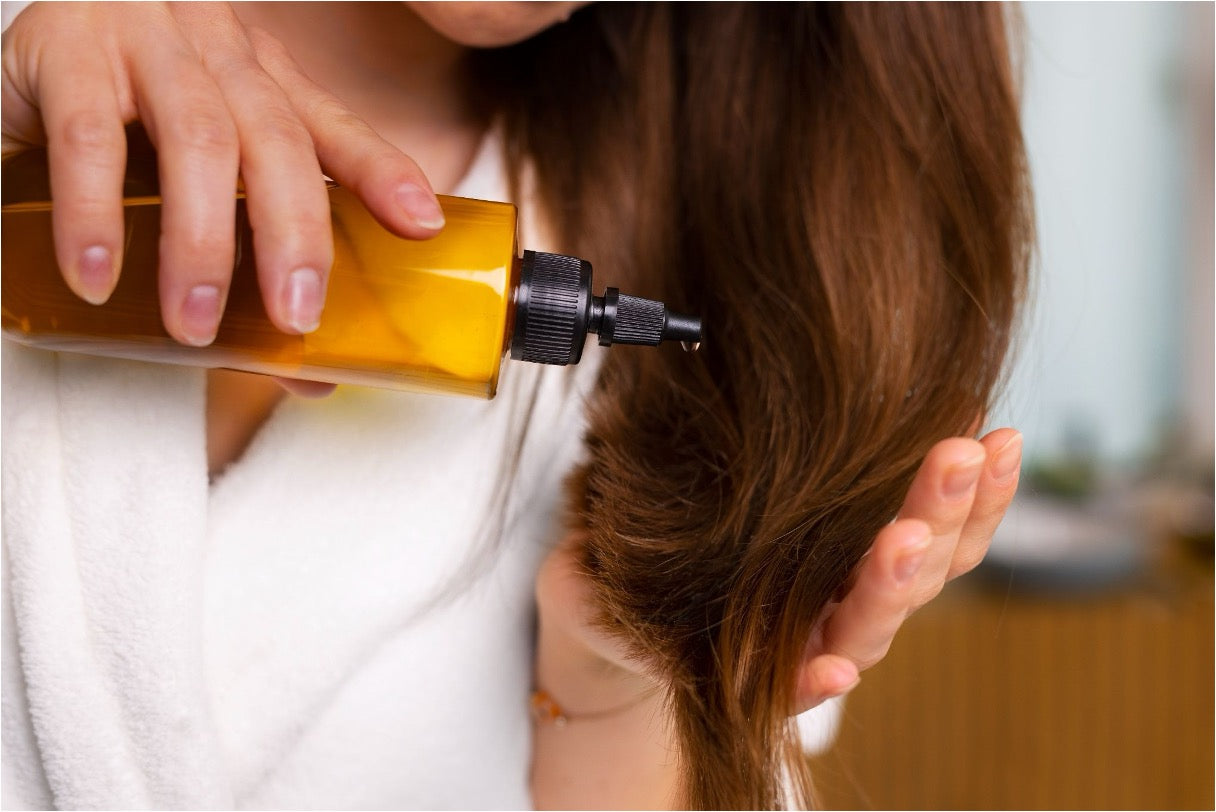
Topical treatments like Trybello Hair Helper Spray can help create a healthier scalp environment and support follicles during the recovery phase after stopping birth control.
Ingredients that target scalp circulation and follicle activity, such as caffeine and castor oil can complement internal recovery by working directly where hair growth begins. Consistent use alongside nutrition and lifestyle support may help improve overall hair strength and regrowth conditions over time.
Trybello Support for Hair Regrowth After Stopping Birth Control

Trybello supports scalp health and strengthens hair during the recovery phase after hormonal changes.
Hair loss after stopping birth control is temporary and predictable. Recovery responds well to consistent support through nutrition, scalp care, and stress management, and most women see shedding stabilize and regrowth improve as hormones rebalance over time.
At Trybello, we developed our Daily Hair Booster with Polygonum multiflorum (Fo-ti), ginseng, and collagen at our US-based company to address this recovery phase from within, backed by our 120-day results guarantee. If you want to learn how our Daily Hair Booster supports post-pill hair recovery, explore what it can do for you.
Frequently Asked Questions (FAQs)

Trending Topics




*Disclaimer: Individual results may vary. The information provided in this article is for educational purposes only and is not intended as medical advice. Consult a healthcare professional before starting any new hair or lash care regimen, especially if you have sensitivities or underlying health conditions. Product pricing is subject to change. For full terms, visit Trybe

See our latests posts #TRYBELLO