Hair Loss After Winter: Causes, Treatments & Prevention
BY TRYBELLO
Mar 06, 2026

Key Takeaways
- Post-winter hair shedding is common and typically caused by seasonal changes affecting hair growth cycles, scalp dryness, and vitamin D deficiency.
- Effective treatments include scalp massages with essential oils, hair growth serums, and nutrition adjustments rich in biotin and omega-3 fatty acids.
- Preventative measures like protective hairstyles and specialized winter hair care routines can significantly reduce seasonal hair loss.
- Trybello Hair Helper Spray helps revitalize follicles and support regrowth when hair is most vulnerable, nourishing the scalp after months of winter stress.
Hair Loss After Winter
If you're noticing more hair in your brush or shower drain as spring arrives, you're not alone. Post-winter hair shedding is a common phenomenon that occurs as your body responds to months of cold, dry air, indoor heating, and reduced sunlight, all of which push hair follicles into their resting phase before shedding begins. While losing 50–100 hairs daily is normal, this number often spikes after winter as accumulated seasonal damage becomes visible.
The good news is that most post-winter shedding is temporary and manageable with the right approach. Below, we break down exactly why winter takes a toll on your hair and the most effective treatments and prevention strategies to restore fullness and strength.
“Doctor-Approved Natural Spray Rapidly Boosts Growth & Thickness.
Why 100,000+ Women Are Switching to Trybello!"
Join over 100,000 happy customers who've transformed their hair with our doctor-formulated spray in just 12 weeks, rated 4.8/5 by 40,000+ real users.
Proven Natural Ingredients
- • Caffeine Extract – Blocks DHT and boosts blood flow to follicles
- • Biotin – Direct scalp absorption, no pills needed
- • Castor Oil – Soothes inflammation and locks in moisture
- • Rice Water Extract – Strengthens hair and reduces shedding
120-Day Growth Guarantee: No results? 100% money back, no questions asked.


Causes of Hair Loss After Winter
While the biological peak of seasonal shedding tends to occur in late summer and fall, winter's environmental stressors (e.g., dry air, indoor heating, and mechanical damage from hats and scarves) can contribute to noticeable breakage and hair fall as spring arrives.
Vitamin D deficiency also plays a role. Reduced sunlight limits your body's vitamin D production, and studies have consistently found an inverse relationship between low serum vitamin D levels and non-scarring hair loss conditions such as telogen effluvium. Research shows that over half of telogen effluvium patients are vitamin D deficient, and this deficiency may contribute to increased shedding.
On top of these environmental factors, winter increases physical stress on hair strands through static electricity, friction from hats and scarves, and more frequent heat styling. This mechanical damage weakens hair over time, making it more prone to breakage and fallout once spring arrives. This is why your shower drain may suddenly seem full of lost strands as the season changes.

You may experience hair loss after winter due to environmental stressors.
5 Effective Treatments for Winter Hair Loss
Addressing post-winter hair shedding requires a multi-faceted approach targeting both immediate symptoms and underlying causes. Each of the following methods addresses different aspects of winter hair damage, from scalp health to follicle function.
1. Scalp Massage With Essential Oils
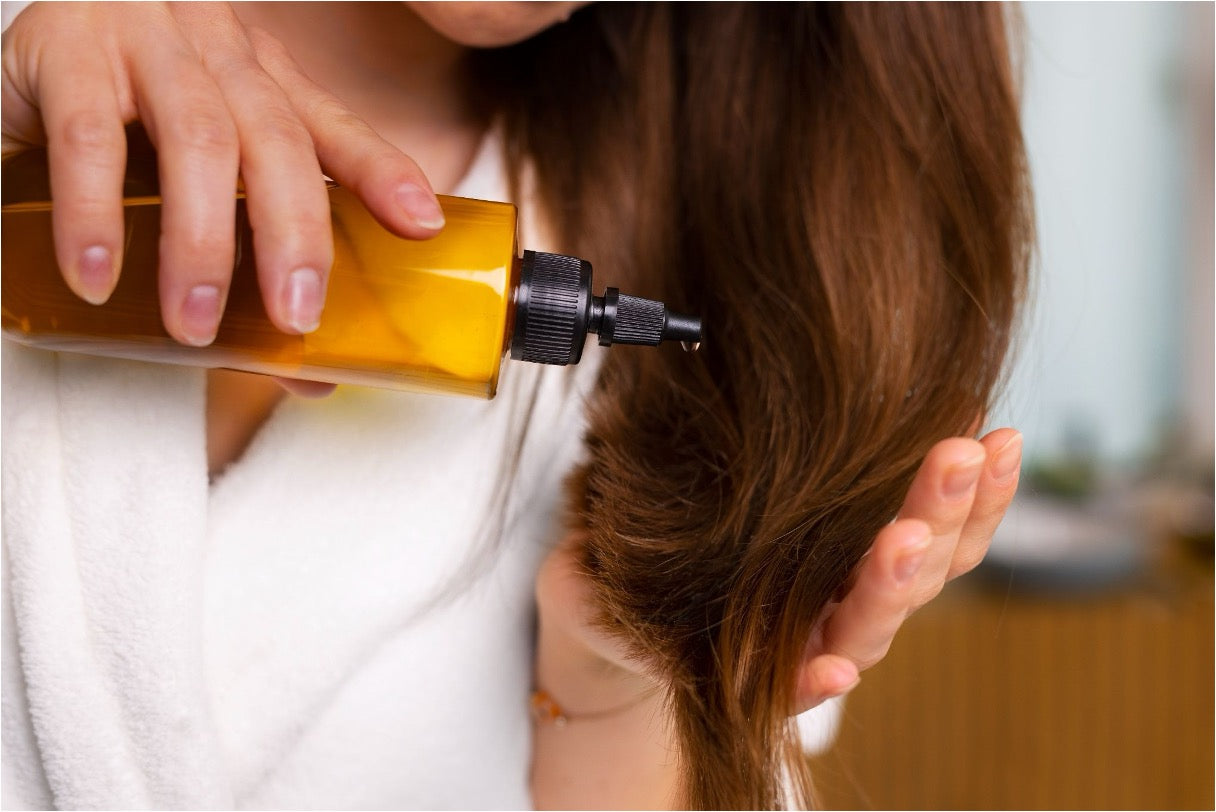
Daily scalp massage for 4 minutes stimulates blood circulation to hair follicles, increasing hair thickness by improving follicle health at the cellular level. Amplify these benefits by combining 2–3 drops of rosemary oil with a carrier oil like jojoba or coconut oil to support further hair growth.
2. Hair Masks for Deep Conditioning
Unlike daily conditioners that work on the surface, weekly deep conditioning masks with keratin and hydrolyzed proteins temporarily repair and strengthen the hair shaft by binding to damaged areas of the cuticle, countering months of winter dryness. For a DIY option, combine avocado with olive oil or a beaten egg with coconut oil and honey, and leave on for 30–45 minutes under a shower cap to enhance penetration.
3. Hair Growth Serums That Actually Work
Look for serums containing proven ingredients that target hair loss at the follicle level: caffeine to extend the anagen (growth) phase so hair grows longer before shedding, biotin that supports keratin production and may help strengthen against breakage (especially for biotin-deficient individuals), and castor oil rich in ricinoleic acid to moisturize the scalp and support a healthier scalp environment.
Our Trybello Hair Helper Spray combines all three with rice water extract and botanical ingredients like ginger and sophora flavescens in a lightweight, non-greasy formula that absorbs directly into the scalp without disrupting your existing routine. Apply to your clean scalp in the evening, massage for 1–2 minutes, and stay consistent.
4. Proper Nutrition for Hair Regrowth
The most critical nutrients for rebuilding hair strength include biotin for keratin production, omega-3 fatty acids to reduce scalp inflammation, and zinc to support protein synthesis in follicles. Incorporate eggs, sweet potatoes, spinach, fatty fish, and collagen-rich bone broth into your daily diet to support overall hair health and provide nutrients beneficial for hair growth.
- Biotin-rich foods: Eggs, almonds, sweet potatoes
- Omega-3 sources: Fatty fish, flaxseeds, walnuts, chia seeds
- Zinc boosters: Pumpkin seeds, oysters, lentils, chickpeas
- Iron-packed options: Dark leafy greens, fortified cereals, lentils
- Vitamin D sources: Fatty fish, egg yolks, fortified milk, mushrooms
5. Stress Management Techniques
Chronic stress triggers elevated cortisol levels that push hair follicles prematurely into their shedding phase, a condition known as telogen effluvium, and winter's holiday stress may compound the problem. Combat this with regular meditation to lower cortisol and moderate cardio exercise 3–4 times weekly to improve scalp circulation, both of which can complement topical treatments.

Keep your hair healthy during and after winter.
How to Prevent Winter Hair Loss
Prevention can be highly effective when it comes to seasonal hair shedding. The most effective prevention plans address multiple factors simultaneously: physical protection from harsh elements, maintaining optimal moisture balance, and supporting hair strength from within.
Protective Hairstyles During Cold Months
Loose braids or buns secured with fabric-covered elastics create a barrier against cold air while preventing the breakage caused by friction from scarves and collars. Overnight protection matters just as much. Switching to a silk pillowcase can significantly reduce friction compared to cotton, preventing the microscopic damage that accumulates night after night.
Winter Hair Care Routine Adjustments
Consider switching to sulfate-free cleansers, which are gentler and help preserve your scalp's natural oils. You may also reduce washing to 2–3 times weekly (depending on your hair type), using co-washing between shampoos to maintain cleanliness without dehydration. Pairing this gentler wash schedule with a targeted hair growth serum applied to your scalp daily can help keep follicles nourished and active throughout the harshest months.
Diet Changes Before Winter Starts
Ensure your intake of omega-3 fatty acids and vitamin D remains adequate heading into winter, as both nutrients support hair health and deficiencies are linked to increased shedding. Hydration is equally important. Aim for adequate daily hydration, since winter dehydration directly impacts nutrient delivery to your follicles.
Address Hair Fall After Winter with Trybello Hair Helper Spray
Winter took a toll on your hair; now it's time to fight back. Our Trybello Hair Helper Spray delivers biotin, caffeine, and castor oil directly to your scalp, targeting the root causes of seasonal shedding where it matters most: at the follicle.
No pills, no harsh chemicals, no greasy residue. Just a lightweight, doctor-formulated spray that fits into your routine in under two minutes and works with every hair type, from fine and thinning to color-treated and textured.
From a trusted US-based brand, the Trybello Hair Helper Spray is simple to use — apply to a clean scalp each evening, massage gently for 1–2 minutes, and let it absorb. No rinsing needed.
Try Trybello Hair Helper Spray →
Frequently Asked Questions (FAQs)

Trending Topics



*Disclaimer: Individual results may vary. The information provided in this article is for educational purposes only and is not intended as medical advice. Consult a healthcare professional before starting any new hair or lash care regimen, especially if you have sensitivities or underlying health conditions. Product pricing is subject to change. For full terms, visit Trybello.com.

See our latests posts #TRYBELLO