Is It Normal For Hair to Fall Out When I Run My Fingers Through It?
BY TRYBELLO
Jul 8, 2025

Key Takeaways
- Losing 50 to 100 hairs a day when you run your fingers through your hair is normal and represents less than 0.1% of the roughly 100,000 follicles on your scalp.
- Most people misread shedding because the strands collect on their hands all at once, which makes a routine daily count look alarming when the volume is actually within range.
- The fix is to first separate normal shedding from excessive shedding, then address the root cause with scalp-level support, and Trybello Hair Helper Spray is formulated for the second case using biotin, caffeine, and castor oil.
- Excessive shedding usually points to one of four causes: nutritional gaps (iron, biotin, zinc, vitamin D), telogen effluvium from stress or illness, hormonal shifts, or styling damage, and each one responds to a different fix.
- Trybello Hair Helper Spray reinforces hair structure with biotin, stimulates scalp circulation with caffeine, and reduces scalp inflammation with castor oil in a once-to-twice-daily topical formula backed by a 120-day money-back guarantee.
Why Hair Falls When Finger Combing
Finding strands between your fingers is almost always normal. The average scalp sheds 50 to 100 hairs a day as part of a continuous growth cycle, and finger-combing simply releases the ones that were already in the resting phase and ready to fall. Whether your shedding is normal or excessive depends on the daily count, the pattern, and whether you also see clumps, a widening part, or a thinner ponytail.
Hair shedding is one of the most common reasons women search for answers online, and most of the time the count is well within range, which is the part nobody seems to lead with.
“Doctor-Approved Natural Spray Rapidly Boosts Growth & Thickness.
Why 100,000+ Women Are Switching to Trybello!"
Join over 100,000 happy customers who've transformed their hair with our doctor-formulated spray in just 12 weeks, rated 4.8/5 by 40,000+ real users.
Proven Natural Ingredients
- • Caffeine Extract – Blocks DHT and boosts blood flow to follicles
- • Biotin – Direct scalp absorption, no pills needed
- • Castor Oil – Soothes inflammation and locks in moisture
- • Rice Water Extract – Strengthens hair and reduces shedding
120-Day Growth Guarantee: No results? 100% money back, no questions asked.


Normal Daily Hair Loss

Losing hair is a normal part of being human, it happens to everyone regardless of age, gender, or hair type.
The average person has approximately 100,000 hair follicles on the scalp, each operating independently with its own growth cycle. With that many follicles, losing 50 to 100 strands a day is less than 0.1% of your total hair, a tiny fraction that is continuously being replaced.
Hair Growth Cycle

The hair growth cycle has 4 phases (image courtesy of Healthline).
Your hair follows a predictable pattern with four phases: anagen (growth), catagen (transition), telogen (resting), and exogen (shedding). The anagen phase is the longest, lasting two to seven years for most people, during which hair actively grows about half an inch per month.
After anagen comes the short catagen phase where growth stops and the follicle shrinks. During the telogen phase, the hair stays in the follicle but is no longer growing. These are the hairs that fall during the exogen phase when you run your fingers through your hair.
At any given time, about 90% of your hair is in the active growth phase, with the remaining 10% in the resting phase preparing to shed. That balance keeps your overall volume consistent while allowing for steady renewal.
Seasonal Shedding
Many people experience increased hair shedding during specific times of the year, particularly in the fall months. Studies have shown hair growth is generally most active during late spring and summer, with more shedding occurring in fall and early winter.
This evolutionary pattern likely developed as a natural response to environmental changes. The extra shedding typically resolves on its own as your body adjusts to seasonal transitions, so there's usually no need for concern if you notice slightly increased hair loss during these predictable periods.
When Is Hair Loss During Finger-Combing a Concern?
Excessive Shedding Signs
When should you be concerned about the hair between your fingers?
If you are consistently losing well over 100 strands a day, especially if this is a sudden change from your normal pattern, it may indicate excessive hair loss.
Another red flag is finding large clumps of hair coming out at once rather than individual strands.

You might also notice your ponytail becoming noticeably thinner or your part widening over a short period.
Pay attention to timing. Increased shedding often appears after major events like childbirth, surgery, sudden weight loss, or high fever, caused by a condition called telogen effluvium.
This type of shedding usually resolves within 6 to 9 months as your body recovers. Persistent excessive shedding beyond that window is worth a professional evaluation.
Hair Loss Patterns
The pattern of hair loss can provide important clues about its cause. Patchy hair loss or circular bald spots might indicate alopecia areata, an autoimmune condition.
Gradual thinning on the top of the head with preservation of the frontal hairline is typical of female pattern hair loss, while receding temples and balding crown areas characterize male pattern baldness.
Diffuse thinning across the entire scalp often relates to nutritional, hormonal, or medication-related causes.
Scalp Changes
Changes in your scalp's appearance or sensation alongside increased hair shedding warrant attention. Redness, scaling, excessive oiliness, or unusual dryness might indicate scalp conditions contributing to hair loss.
Sensations like itching, burning, or tenderness can also signal inflammation affecting the hair follicles. Any sudden changes in scalp appearance, especially when accompanied by increased hair shedding, should prompt a conversation with a healthcare provider.
What Causes Excessive Hair Loss Beyond Normal Shedding?
Nutritional Deficiencies
Your hair needs proper nutrition to grow strong and stay anchored in the follicle. Deficiencies in iron, protein, zinc, vitamin D, and B vitamins (especially biotin) are frequently linked to increased shedding.
Iron deficiency is particularly common among menstruating women, vegetarians, and vegans. When the body lacks these nutrients, it prioritizes vital organs over hair, leading to weaker strands that shed more easily.
Stress Impact
When you experience intense physical or emotional stress, your body can push a large number of hairs prematurely into the telogen (shedding) phase, a condition called telogen effluvium.
This stress response explains why many people notice increased shedding about three months after a traumatic event, major surgery, serious illness, or a stretch of intense anxiety.
Hormonal Changes
Hormonal fluctuations are among the most common triggers for hair shedding. Pregnancy, childbirth, discontinuing birth control pills, menopause, and thyroid disorders all cause significant hormonal shifts that can disrupt the hair growth cycle.
During pregnancy, elevated estrogen keeps more hairs in the growth phase, creating thicker-looking hair. After delivery those hormone levels drop quickly, and the extra hairs shed at once. Many new mothers see this around three to four months postpartum.
Styling Damage

Aggressive hair styling practices can damage the hair shaft and follicles, leading to increased breakage and shedding.
Tight hairstyles like ponytails, buns, braids, and extensions pull on the roots and can cause traction alopecia, which is hair loss from constant tension.
Heat styling tools, chemical treatments like perms and relaxers, and frequent bleaching or coloring all weaken the hair structure, making it more prone to breaking when touched.
Medical Conditions
Autoimmune disorders like alopecia areata cause the body to mistakenly attack hair follicles, while scalp infections such as ringworm can cause patchy hair loss.
Polycystic ovary syndrome (PCOS) triggers hormonal imbalances that often manifest as hair thinning, and chronic inflammatory conditions like psoriasis or eczema can disrupt normal follicle function when they affect the scalp leading to hair loss.
Natural Remedies
Essential Oil Treatments
Some essential oils may help reduce shedding and support healthier growth. Rosemary oil has been studied for hair growth, and peppermint oil supports circulation and a healthier scalp environment.
Diet Improvements
What you eat directly impacts your hair's health and growth cycle. Specific hair-healthy foods include eggs, fatty fish, nuts, seeds, leafy greens, sweet potatoes, berries, and avocados.
Staying well-hydrated is equally important, as proper hydration ensures nutrients are efficiently delivered to hair follicles.
Herbal Hair Rinses
Herbal rinses provide gentle yet effective support for reducing excessive shedding. Ingredients like nettle, horsetail, rosemary, and green tea contain compounds that strengthen the hair shaft, soothe the scalp, and may help regulate oil production.
These natural treatments are particularly beneficial for those with sensitive scalps who react poorly to commercial products containing harsh chemicals.
Trybello's Approach to Reducing Excessive Hair Shedding

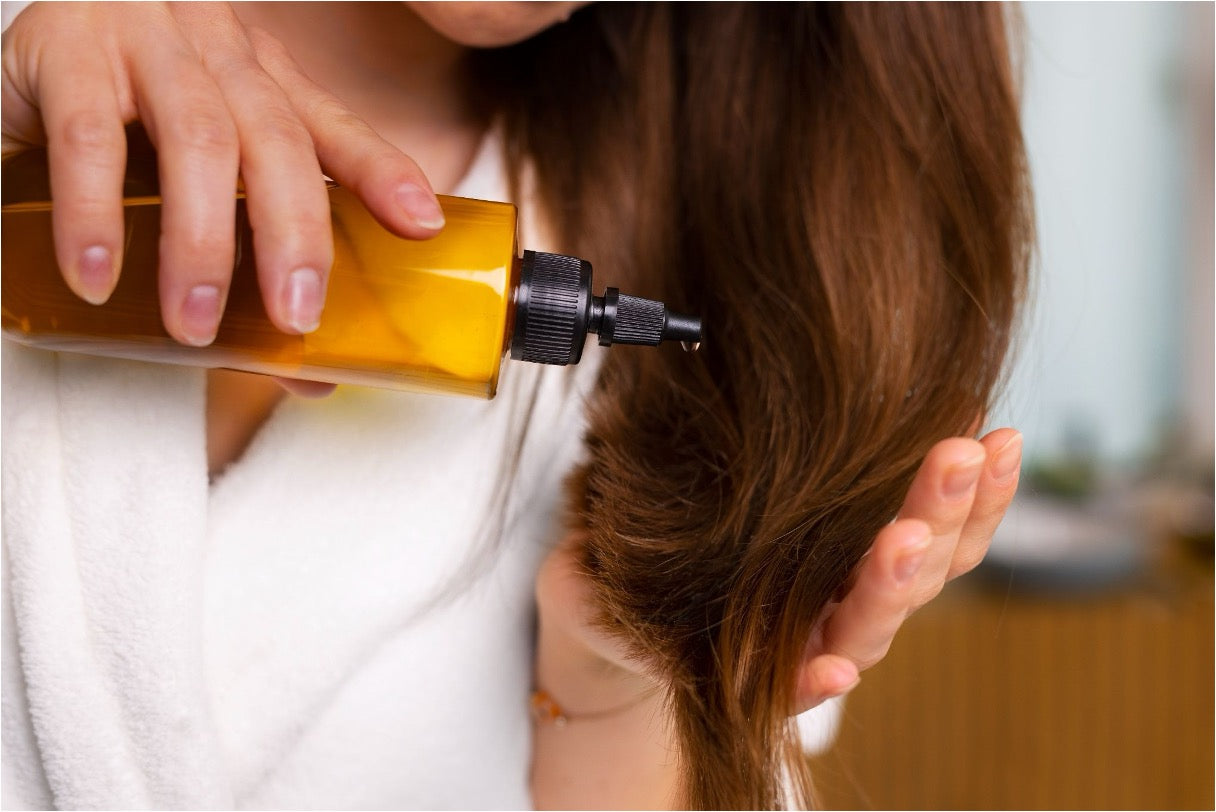
Our hair spray is lightweight and non-greasy.
Most hair you see between your fingers is part of the natural growth cycle and does not need to be stopped. Intervention helps in the cases where shedding consistently exceeds 100 strands a day, where nutritional gaps or scalp conditions are weakening follicles, or where styling tension is compounding the loss, and the fix in each case is to address the root cause rather than the symptom.
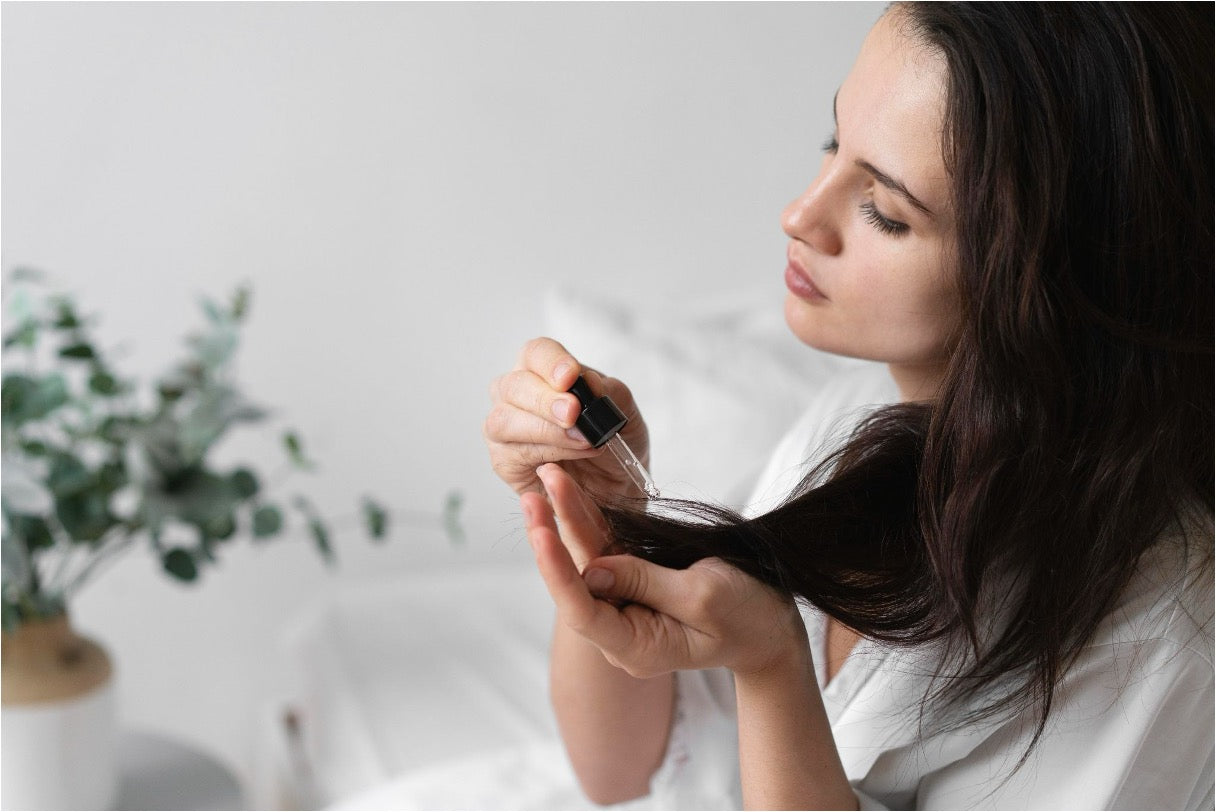
For the topical side of that equation, Trybello Hair Helper Spray uses biotin to reinforce hair structure, caffeine to support scalp circulation, and castor oil to calm and moisturise the scalp, in a once-to-twice-daily formula that absorbs without grease. It is the part of the routine that handles the scalp environment while nutrition and stress management handle the rest.
Visit Trybello Hair Helper Spray to see the full formula and the 120-day money-back guarantee.
Frequently Asked Questions (FAQs)

Trending Topics





Disclaimer: This article was written on behalf of Trybello. The information provided is for educational purposes only and does not constitute medical advice. If you are experiencing significant or persistent hair loss, consult a qualified dermatologist or healthcare professional before beginning any new treatment. Individual results from hair care products vary based on hair type, health status, and consistency of use.

See our latests posts #TRYBELLO