Damaged Hair vs Dry Hair: Differences, Signs & Treatment
BY TRYBELLO
Nov 05, 2026

Key Takeaways
- Dry hair lacks surface moisture and oil, while damaged hair has lifted, cracked, or worn cuticle scales that expose the inner cortex and lead to breakage.
- Damaged hair is highly porous, so it absorbs water, swells, and frizzes, which makes it look dry even though the cause is structural.
- Dry hair looks dull, lacks shine, and feels rough, while damaged hair shows split ends, breakage, tangling, difficult combing, and uneven length.
- Dry hair improves with less frequent shampooing, full-length conditioning, and less heat, while damaged hair needs conditioner after every wash, gentle detangling, and spaced-out chemical services.
- Trybello Hair Growth Conditioner combines urucum extract, shea butter, and hydrolyzed wheat protein to coat porous, damaged strands and reduce frizz and breakage without weighing hair down.
Is Dry Hair the Same as Damaged Hair?
No. Dry hair is a surface moisture problem that improves with gentler washing and consistent conditioning. Damaged hair is structural harm to the cuticle and cortex that extra moisture cannot reverse. The two get confused because their symptoms overlap. That misdiagnosis costs time and money.
Treating damage as dryness can actually make things worse, because porous strands soak up water, swell, then dry out again in a cycle called hygral fatigue, and that repeated swelling puts more stress on an already weakened cortex. The fix for each problem is different, so identifying which one you are dealing with, or whether you have both, is the step that makes everything after it work.
Trybello Hair Growth Conditioner is formulated with both problems in mind. It pairs ingredients that coat and smooth porous, damaged strands with argan and jojoba oils that hydrate drier lengths, so a single routine step covers both without buildup.
"Sulfate-Free Hair Growth Duo Delivers Thicker, Fuller Hair Without Harsh Chemicals. Women Rate This Clean Formula 4.8/5 Stars!"
Transform your routine with plant-based shampoo and conditioner that deeply cleanse, nourish, and stimulate growth while protecting the scalp's natural oils, rated 4.8/5 by 40,000+ real customers.

Growth-Boosting Ingredients
- ✓ Aloe Vera & Turmeric – Cleanses and promotes root growth without stripping oils
- ✓ Urcuum Extract – Creates protective barrier against UV damage
- ✓ Camellia Japonica & Shea Butter – Soothes inflammation, deeply hydrates
Clean Beauty Benefits
- ✓ Sulfate-free, vegan, and cruelty-free
- ✓ Plant-based actives with no harsh chemicals
- ✓ Made by USA-based startup

Key Differences Between Dry & Damaged Hair
The cuticle, the hair's protective outer layer, is usually 6 to 8 scale-like layers thick and coated in a natural lipid layer that helps repel water. Dryness means that layer has lost its moisture and oil balance. Damage means the cuticle scales themselves have lifted, cracked, or worn away, exposing the cortex underneath, which holds most of the hair's protein and pigment.
- Dry hair looks dull and feels rough because it lacks the moisture and oil that keep its sheen and texture normal.
- Damaged hair frequently shows split ends, where cracks in the cuticle travel upward into the cortex.
The two conditions overlap more than most people expect. Damaged hair is highly porous, so it swells when it absorbs water and tends to tangle and frizz, which makes it look and feel dry even though the underlying cause is structural, not a lack of moisture.
Signs Your Hair Is Dry
Dry hair tends to show a narrower set of symptoms than damaged hair, and they’re mostly about appearance and feel rather than breakage.
Common signs include:
These symptoms usually trace back to habits and conditions that strip moisture and oil from the hair, such as washing too often, using harsh or alcohol-based products, frequent blow-drying, and dry climate air. Any one of these can cause all three signs, and they often add up when more than one is in play.
In less common cases, dryness is linked to poor nutrition or a hormone issue like an underactive thyroid. If gentle care doesn’t improve things after a few weeks, mention it to a doctor rather than assuming a product problem.

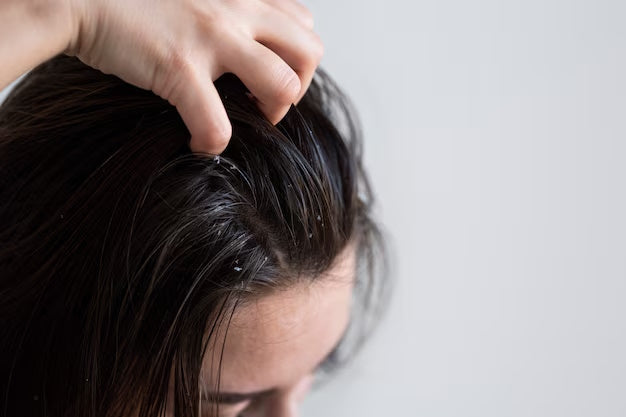
Over-washing, harsh products, frequent blow-drying, and dry air can all lead to dry hair.
Signs Your Hair Is Damaged
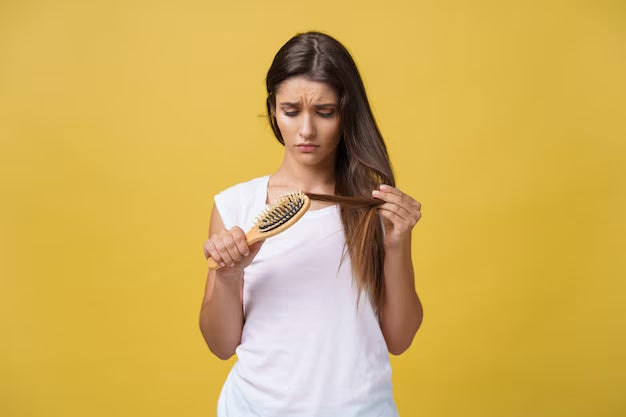
Damaged hair shows up in more physical, structural ways. Instead of just looking dull, it behaves differently: it resists combing, snaps under light tension, and grows out unevenly because sections keep breaking off at different points.
Common signs include:
- Breakage
- Split ends
- Tangling
- Uneven length from split ends
- A brittle or lackluster look
- Frizz
- Difficulty combing
These symptoms usually trace back to habits that stress the cuticle directly: rubbing shampoo into the length instead of the scalp, skipping conditioner, towel-drying roughly, brushing hair while wet, overusing heat tools, tight ponytails or heavy extensions, chemical services like coloring or relaxing, and unprotected sun or pool exposure. Unlike dry hair, damage doesn't reverse with a single deep-conditioning session. It has to be managed with gentler handling while the hair grows out.
How to Treat Dry Hair

Washing less often, conditioning from roots to ends, and cutting back on heat and styling products help dry hair regain moisture.
1. Shampoo Less Often
Washing too frequently, especially with harsh soaps or alcohol-based formulas, pulls natural oils off the scalp and hair faster than they can replenish. For dry, textured, curly, or thick hair, shampooing only when needed, at least once every 2 to 3 weeks, gives those oils time to redistribute down the length of the strand.
When you do wash, use a gentle, sulfate-free shampoo and apply it to the scalp rather than dragging it through the full length. The scalp produces the oil; the length just needs the rinse-through from washing, not direct product contact.
2. Condition the Full Length
Conditioner restores moisture to dry hair. After shampooing, dry or curly hair should be conditioned along its entire length. Conditioners work by adding positive charges that neutralize the hair’s natural negative charge, which lubricates the cuticle, reduces friction, and cuts down on frizz. That’s also what makes combing easier right after rinsing, since the lubricated cuticle has less resistance against itself.
3. Limit Heat & Styling Products
Frequent blow-drying is one of the most common drivers of dry hair, and it compounds quickly if you're also using long-hold styling products on top of it. Cutting back on both gives the hair's natural lipid layer a chance to stay intact instead of being stripped and reapplied with synthetic coatings every day.
Dry climate air plays a role too, and you can't always control it. In those cases, leaning harder on the shampoo and conditioner habits above offsets what the environment is taking away.
How to Treat Damaged Hair

Regular conditioning, gentle drying and detangling, fewer chemical treatments, and sun and chlorine protection help keep damaged hair from getting worse.
1. Condition After Every Wash
Damaged, chemically treated hair is more porous and carries a stronger negative charge, so it attracts and holds more conditioning ingredients, including hydrolyzed proteins that bond to the strand and help reduce frizz and friction.
Making conditioner a non-negotiable step after every shampoo, not an occasional add-on, gives those ingredients a consistent chance to coat and smooth the compromised cuticle before it’s exposed to brushing, styling, or more washing.
2. Air-Dry & Detangle Gently
Wrap your hair in a towel to absorb water, then let it air-dry when possible to cut out the friction. Detangling technique matters just as much. Use a wide-tooth comb, let straight hair dry a little before combing it, and comb textured or tightly curled hair while it's still damp. Start at the ends and work upward to prevent the comb from forcing a single large knot into already-weak sections of the strand.
3. Space Out Chemical Services
Adding more time between color, perm, and relaxer touch-ups, especially when the air is dry, and stretching them to every 8 to 10 weeks or longer in winter, cuts down on how often that protective lipid layer gets stripped away.
4. Protect Hair From Sun & Chlorine
A wide-brimmed hat or a leave-in conditioner containing zinc oxide can help protect against UV exposure on days outdoors.
For swimmers, the routine is more specific: wear a cap, rinse hair immediately after swimming, use a swimmer’s shampoo, then follow with a deep conditioner. Looser hairstyles and covered hair bands also reduce the physical tension that heavy weaves, extensions, or tight ponytails and buns put on already-damaged strands.
Damaged Hair vs Dry Hair: Summary Table
| Feature | Dry Hair | Damaged Hair |
|---|---|---|
| What’s affected | Moisture and oil balance on the cuticle’s surface | Cuticle scales that have lifted, cracked, or worn away, exposing the cortex |
| Common causes | Over-washing, harsh or alcohol-based products, frequent blow-drying, and dry climate air | Heat styling, coloring and chemical services, rough towel drying, wet brushing, and sun and chlorine exposure |
| Visible signs | Dull appearance, lack of shine, and rough texture | Split ends, breakage, frizz, tangling, difficult combing, and uneven length |
| Treatment focus | Shampooing less often, conditioning the full length, and limiting heat | Conditioning after every wash, gentle drying and detangling, spacing out chemical services, and protecting hair from sun and chlorine |
| Can it be reversed? | Improves with gentler washing and consistent moisture | Damaged sections can’t be rebuilt, so trimming and protecting new growth is the long-term fix |
Care for Dry & Damaged Hair with Trybello Hair Growth Conditioner

Trybello Hair Growth Conditioner blends urucum extract, shea butter, and camellia japonica to condition dry and damaged hair without buildup.
Getting the diagnosis right matters more than switching products. Dry hair responds to moisture and fewer washes, while damaged hair needs protection, gentler handling, and patience as healthy growth replaces compromised lengths. Mixing them up usually leads to months of trial and error with little progress to show for it.
We created Trybello Hair Growth Conditioner with urucum extract, shea butter, and camellia japonica to support both porous, damaged strands and dry, dull lengths in one step. Its sulfate-free, silicone-free formula conditions without buildup, so it fits easily after every wash. Add it to your routine and feel the difference.
Frequently Asked Questions (FAQs)

Trending Topics
*Disclaimer: Individual results may vary. The information provided in this article is for educational purposes only and is not intended as medical advice. Consult a healthcare professional before starting any new hair or lash care regimen, especially if you have sensitivities or underlying health conditions. Product pricing is subject to change. For full terms, visit Trybello.com.

See our latests posts #TRYBELLO