Dry Scalp vs Dandruff: Differences, Causes & Treatment
BY TRYBELLO
Nov 05, 2026

Key Takeaways
- Dry scalp comes from moisture loss, while dandruff stems from excess oil feeding a scalp fungus, though both produce visible flaking.
- Dandruff flakes are larger, oily, and yellow-tinged; dry scalp flakes are smaller, drier, and white.
- Dry scalp often improves by washing less; dandruff tied to fungal overgrowth usually needs regular washing with an active ingredient.
- Constant itching, a red rash, sores, or scalp swelling are signs to see a dermatologist instead of self-treating.
- Trybello Hair Growth Shampoo gives a sulfate-free, non-medicated cleanse with aloe vera and panthenol for dry or irritated scalps, backed by a 120-Day Growth Guarantee.
Flaking Scalp? The Cause Decides the Fix
Every flaking scalp looks like the same problem until you treat it wrong. Dry scalp and dandruff both produce visible flakes and itching, but dry scalp is a moisture deficit and dandruff is an oil-fed fungal overgrowth, and the routine that helps one can actively worsen the other. A dry scalp stripped further by a medicated shampoo gets tighter and itchier. A dandruff-prone scalp left unwashed to “restore moisture” gives the fungus more oil to feed on.
Understanding the cause before reaching for a product saves weeks of trial and error with the wrong shampoo. The comparison below breaks down flake type, triggers, and the right treatment for each so you can match your routine to what your scalp actually needs.
"Sulfate-Free Hair Growth Duo Delivers Thicker, Fuller Hair Without Harsh Chemicals. Women Rate This Clean Formula 4.8/5 Stars!"
Transform your routine with plant-based shampoo and conditioner that deeply cleanse, nourish, and stimulate growth while protecting the scalp's natural oils, rated 4.8/5 by 40,000+ real customers.

Growth-Boosting Ingredients
- ✓ Aloe Vera & Turmeric – Cleanses and promotes root growth without stripping oils
- ✓ Urcuum Extract – Creates protective barrier against UV damage
- ✓ Camellia Japonica & Shea Butter – Soothes inflammation, deeply hydrates
Clean Beauty Benefits
- ✓ Sulfate-free, vegan, and cruelty-free
- ✓ Plant-based actives with no harsh chemicals
- ✓ Made by USA-based startup

How to Tell Dry Scalp & Dandruff Apart

Flake texture, hair oiliness, and redness around the scalp help reveal whether you’re dealing with simple dryness or dandruff.
Flake Size, Color, & Texture
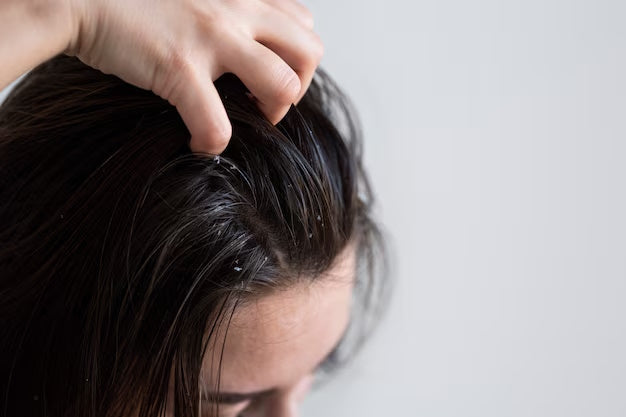
Dry scalp flakes tend to be small, dry, and white, similar to flaking you might see on dry skin anywhere else on the body. They fall away easily and don't usually cling to the hair shaft in visible clumps.
Dandruff flakes behave differently. They’re larger, often look yellow-tinged or oily, and the scalp underneath them can appear red, oily, and scaly. Because dandruff forms when the scalp’s normal shedding cycle speeds up, the flakes are essentially dead skin cells shedding faster than usual.
Scalp Oiliness & Hair Greasiness
Because scalp oil helps condition hair, dry scalp often makes the hair itself look dry and dull, not greasy. Dandruff does the opposite, since the scalp tends to look oily and the hair can appear greasy even shortly after washing.
Itching Patterns & Scalp Appearance
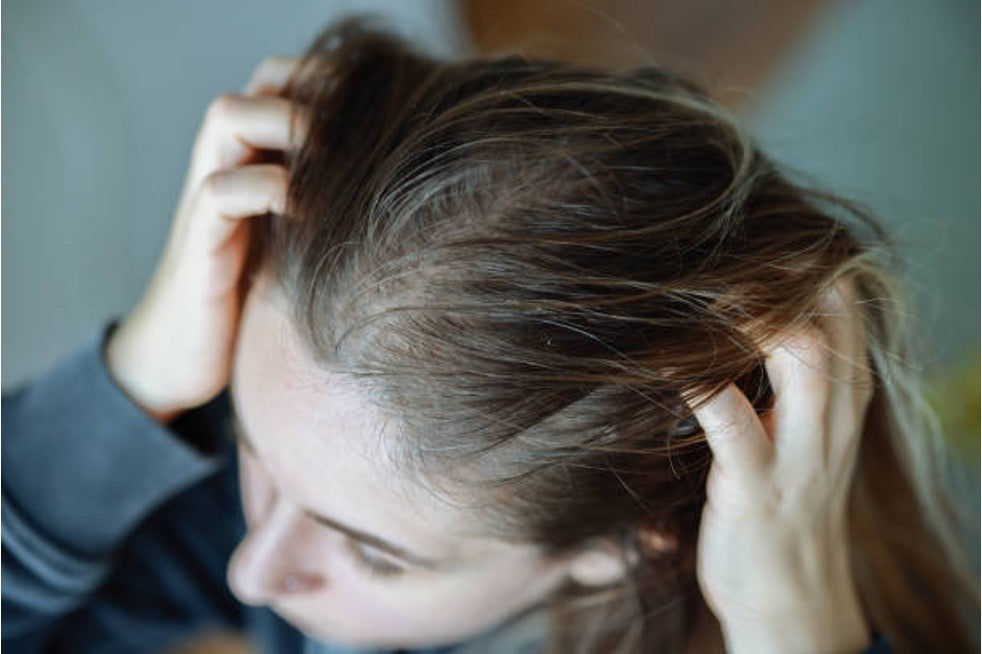
Both conditions itch, but the surrounding skin tells a different story. Dry scalp usually looks plain and dry without much redness, while dandruff is more likely to come with visible redness, oiliness, and scales that flake off quickly when scratched.
What Triggers Dry Scalp

Harsh products, over-washing, dry air, aging skin, and certain skin conditions can all leave the scalp dry and flaky.
Hair Care & Washing Habits
Certain hair products strip natural oils from the scalp, and some trigger contact dermatitis in people sensitive to specific ingredients. Shampoo that isn’t rinsed out completely can also sit on the scalp and cause irritation long after the shower ends.
Washing hair too often is another common trigger. Frequent washing removes natural oils faster than the scalp can replace them, which leaves the skin more prone to dryness and flaking over time.
Weather, Age, & Skin Type
Low humidity, cold climates, and dry winter air pull moisture out of the scalp just like they do with skin anywhere else on the body. Age plays a role too, since skin naturally gets drier over the years. People who already have dry skin in general are more likely to develop a dry scalp as well.
Underlying Skin Conditions
Sometimes dry, flaky scalp skin points to something more specific than everyday dryness. Conditions like eczema and psoriasis can mimic simple dry scalp, and scalp ringworm, known as tinea capitis, is a contagious fungal infection that causes similar flaking.
Actinic keratosis is another possibility, especially in adults over 50 who've spent a lot of time outdoors without sun protection. This condition is a form of precancerous sun damage caused by unprotected sun exposure, which is one reason persistent or unusual scalp changes are worth mentioning to a dermatologist rather than dismissing as ordinary dryness.
What Triggers Dandruff
The Role of Malassezia Fungus
Malassezia is a fungus that naturally lives on the scalps of most adults, feeding on natural oils without causing any problems for most people. In those prone to dandruff, this fungus triggers irritation that speeds up skin cell turnover, and the flakes you see are simply dead skin cells shedding faster than normal.
Oily Skin & Product Sensitivity
Scalps that produce more oil give Malassezia more fuel to work with, which is part of why dandruff is so closely tied to oily skin. Dry skin can also play a role, and contact dermatitis from sensitivity to hair care products is another common trigger, similar to how it affects dry scalp.
Stress, Weather, & Other Risk Factors
Stress and cold, dry weather can trigger flare-ups and make existing dandruff worse. Going a long stretch without shampooing can also make dandruff more visible, since oils and flakes build up without being rinsed away.
Age, Gender, & Immune System Links
Dandruff often begins in young adulthood and continues through middle age, though it can affect older adults too. It also shows up more frequently in males than females.
Certain health conditions raise the risk as well. Nervous system conditions like Parkinson’s disease, along with HIV and other conditions that weaken the immune system, are linked to a higher likelihood of developing dandruff, which is another reason persistent symptoms are worth discussing with a healthcare provider rather than managing with shampoo alone.
How to Treat a Dry Scalp

Staying hydrated, washing less often, and using a milder shampoo are simple habit changes that help restore moisture to a dry scalp.
Treating dry scalp usually means removing whatever is pulling moisture out of the skin and replacing it with gentler habits. A few consistent changes often make a noticeable difference.
- Rinse shampoo out of the hair thoroughly every time
- Stop using any product that seems to irritate the scalp
- Switch to a gentle, non-medicated shampoo
- Wash hair less often
- Protect the scalp from cold, dry weather
- Use a humidifier indoors
- Drink more water
- Manage stress levels
- Quit smoking
These changes work together rather than in isolation. A gentler shampoo matters less if shampoo residue is still sitting on the scalp after rinsing, and a humidifier won't help much if the scalp is still being stripped by daily washing.
Switch to a Gentle, Non-Medicated Shampoo
Dry scalp can usually be resolved by switching to a shampoo that cleans without stripping natural oils. A gentle, moisturizing formula is less likely to irritate the skin further, which matters since medicated dandruff shampoos are formulated to manage oil and fungus, not replace lost moisture.
Trybello Hair Growth Shampoo is formulated as a sulfate-free, non-medicated option made with aloe vera, glycerin, panthenol, and chamomile extract. Aloe vera deeply cleanses and detoxifies hair from scalp to tip without stripping the scalp of the oils it needs, which makes it a reasonable fit for scalps that are already dry or reactive.
How to Treat Dandruff at Home
Pick the Right Active Ingredient
Over-the-counter dandruff shampoos work by targeting the fungus or oil buildup driving the flaking, and the active ingredient listed on the bottle matters more than any marketing claim. Effective options contain zinc pyrithione, salicylic acid, sulfur, selenium sulfide, ketoconazole, or coal tar.
If one active ingredient doesn’t produce results, switching to a shampoo with a different one is a reasonable next step. If a shampoo works for a while and then seems to lose its effect, alternating between two formulas with different actives can help.
Match Your Shampoo Routine to Your Hair Type
Hair type changes how often a dandruff shampoo should be used, since different textures hold product and oil differently.
People with fine or straight hair, or an oily scalp, may need to shampoo daily and use a dandruff shampoo twice a week. People with coarse, curly, or coily hair can wash when needed and use dandruff shampoo about once a week, applying it only to the scalp.
Some dandruff shampoos need to sit on the scalp for 5 to 10 minutes before rinsing so the active ingredient has time to work, so checking the label for contact time matters as much as choosing the right formula.
Consistency tends to matter more than intensity. Sticking with a routine for several weeks, rather than switching products after a few days, gives the active ingredient a fair chance to reduce flaking.
Protect Your Scalp From Sun Damage
Coal tar, one of the common dandruff-fighting ingredients, can make the scalp more sensitive to sun exposure. Since scalp sunburn can actually increase flaking, protecting the scalp from the sun becomes part of the treatment plan rather than an afterthought.
When to See a Dermatologist
Most dry scalp and mild dandruff improve with gentler habits or an over-the-counter shampoo. Some symptoms, though, point to something that home care can’t fix, and a dermatologist can tell you what’s really behind the flaking.
Book an appointment if you notice any of the following:
- Itching that stays constant or keeps you awake at night
- A red rash or patches of red, swollen skin on the scalp
- Sores, open cuts, or crusting that won’t heal
- Pain, tenderness, or warmth when you touch your scalp
- Thick, silvery, or crusted scales that cling to the skin
- Flaking that spreads to the face, eyebrows, ears, or chest
- Patchy hair loss in the flaky areas
- No improvement after several weeks of consistent home care
These signs can point to conditions like psoriasis, eczema, scalp ringworm, or an infection, which often look like ordinary dryness or dandruff at first. A dermatologist can examine your scalp, confirm the cause, and prescribe a stronger treatment if you need one, so you don’t lose weeks to the wrong shampoo.
Care for a Dry, Irritated Scalp With Trybello Hair Growth Shampoo

Choosing a gentle, sulfate-free shampoo and matching your routine to your scalp’s condition helps ease dryness, flaking, and itching.
Flaking looks the same from a distance, but dry scalp and dandruff respond to very different routines. Dry scalp needs gentler products and fewer washes, while dandruff needs a consistent active ingredient. Matching your routine to the right condition, and seeing a dermatologist when symptoms persist, is what reduces flaking and itching over time.
If dryness or irritation is your main concern, our Trybello Hair Growth Shampoo gives your scalp a sulfate-free, non-medicated cleanse made with aloe vera and panthenol, gentle enough for everyday use. We’re a US-based company, and every order comes with our 120-Day Growth Guarantee. Try Trybello Hair Growth Shampoo and see how it fits your routine.
Frequently Asked Questions (FAQs)

Trending Topics



*Disclaimer: Individual results may vary. The information provided in this article is for educational purposes only and is not intended as medical advice. Consult a healthcare professional before starting any new hair or lash care regimen, especially if you have sensitivities or underlying health conditions. Product pricing is subject to change. For full terms, visit Trybello.com.

See our latests posts #TRYBELLO