Itchy Scalp in Spring: Causes, Treatment & Prevention
BY TRYBELLO
Mar 04, 2026

Key Takeaways
- Spring allergens like pollen trigger histamine responses that cause scalp inflammation, itching, and flaking.
- Washing hair before bed during peak pollen seasons prevents allergens from being pressed into the scalp overnight.
- Effective scalp treatments use nourishing ingredients like biotin, caffeine, and castor oil to soothe irritation and boost follicle health.
- Chronic seasonal scalp irritation can disrupt the natural growth cycle, leading to weakened follicles and increased hair shedding.
- Trybello Hair Helper Spray Plus features a clean, doctor-formulated blend of Capixyl and biotin to support thicker, healthier hair growth.
Why Spring Is a Trigger for Scalp Irritation
Spring allergens like pollen and mold trigger histamine responses that cause scalp inflammation, persistent itching, and flaking. Rising seasonal humidity further compounds these issues by fueling the growth of Malassezia fungus, which can lead to dandruff or seborrheic dermatitis. If left untreated, this chronic irritation can disrupt the hair growth cycle and lead to increased shedding or temporary hair loss.
You can restore scalp balance by using sulfate-free cleansers and nourishing ingredients like biotin, caffeine, and Capixyl™. Washing hair before bed during peak pollen weeks helps remove trapped allergens and prevents overnight irritation. For long-term prevention, audit your hair care products for harsh synthetic fragrances and time your outdoor activities around local pollen forecasts.
“Doctor-Approved Natural Spray Rapidly Boosts Growth & Thickness.
Why 100,000+ Women Are Switching to Trybello!"
Join over 100,000 happy customers who've transformed their hair with our doctor-formulated spray in just 12 weeks, rated 4.8/5 by 40,000+ real users.
Proven Natural Ingredients
- • Caffeine Extract – Blocks DHT and boosts blood flow to follicles
- • Biotin – Direct scalp absorption, no pills needed
- • Castor Oil – Soothes inflammation and locks in moisture
- • Rice Water Extract – Strengthens hair and reduces shedding
120-Day Growth Guarantee: No results? 100% money back, no questions asked.


What Causes an Itchy Scalp in Spring?

Pollen, humidity, and harsh hair care ingredients are among the most common triggers for spring scalp irritation.
Spring-related scalp itching usually comes down to a few factors. Understanding the root cause helps you choose the right approach instead of guessing with random products.
Pollen & Seasonal Allergies
Allergens trigger the release of histamine, causing blood vessels to dilate, which can make skin itch and even produce rashes like hives or eczema. Your scalp is skin, too, and it reacts the same way the rest of your body does when exposed to airborne allergens. Pollen, dust, and other pollutants can build up on the scalp, making it itchy, dry, or flaky.
What makes this worse is that your hair acts like a magnet for airborne particles. People with seasonal allergies are prone to scalp irritation because hair acts as a magnet for pollen and airborne particles. So even a short walk outdoors during high-pollen hours can leave allergens trapped against your scalp for the rest of the day.
Increased Humidity & Sweat
As temperatures rise, your scalp produces more sebum (natural oil) and sweat. This creates a warm, moist environment where fungal organisms like Malassezia, the yeast behind seborrheic dermatitis, can thrive. The result is often flaky, itchy patches, especially along the hairline and crown. If you already have a tendency toward dandruff or an oily scalp, spring conditions can significantly worsen it.
Product Buildup & Harsh Ingredients
Switching products seasonally or layering on styling products in warmer weather can cause residue to accumulate on the scalp. Shampoos, conditioners, and styling products often contain chemicals, preservatives, or fragrances that may cause allergic reactions, with ingredients such as parabens, sulfates, and synthetic fragrances common triggers for scalp allergies. A scalp already sensitized by pollen exposure becomes even more reactive to these ingredients, creating a cycle of irritation that's hard to break without changing your routine.
How to Treat Spring Scalp Irritation

Treating spring scalp irritation starts with gentle cleansing and scalp-nourishing ingredients like biotin, caffeine, and natural botanical extracts.
Once the itching starts, the goal is to calm inflammation, remove allergen buildup, and restore the scalp's natural balance. Here are the most effective approaches.
1. Gentle Cleansing Habits
First, increase your wash frequency during peak allergy weeks using the right products. Harsh, stripping shampoos can backfire by drying out the scalp and triggering more oil production. Instead, look for sulfate-free, fragrance-free cleansers that remove pollen and buildup without disrupting your scalp's moisture barrier.
Washing your hair before bed during allergy season is especially helpful. Washing hair every night helps keep pollen and allergens out of bed linens. This prevents allergens from being pressed into the scalp for eight hours while you sleep.
2. Scalp-Nourishing Ingredients That Help
Not all treatments need to come from a pharmacy. Certain ingredients can soothe irritation and support scalp health naturally:
- Biotin strengthens hair at the follicle level and supports the scalp's structural integrity, making it more resilient against environmental stressors.
- Caffeine stimulates blood circulation to the scalp, which can accelerate the delivery of nutrients to follicles under stress.
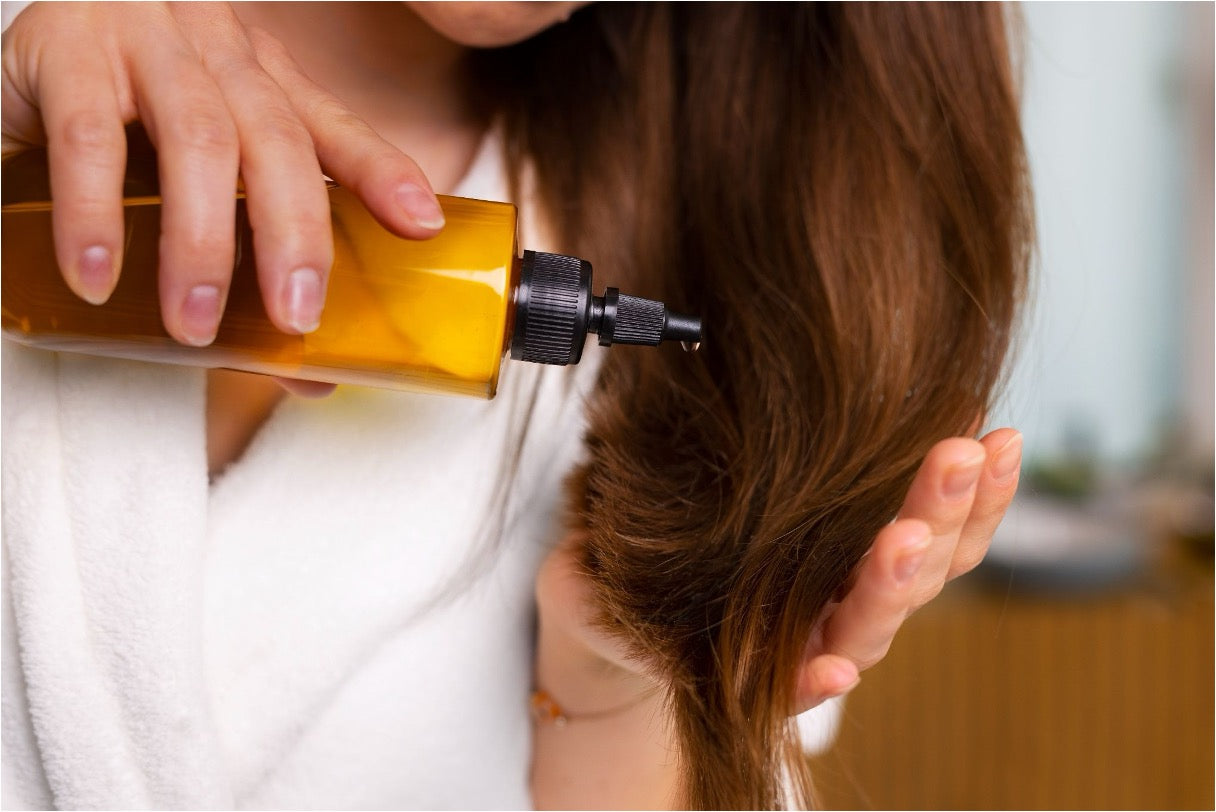
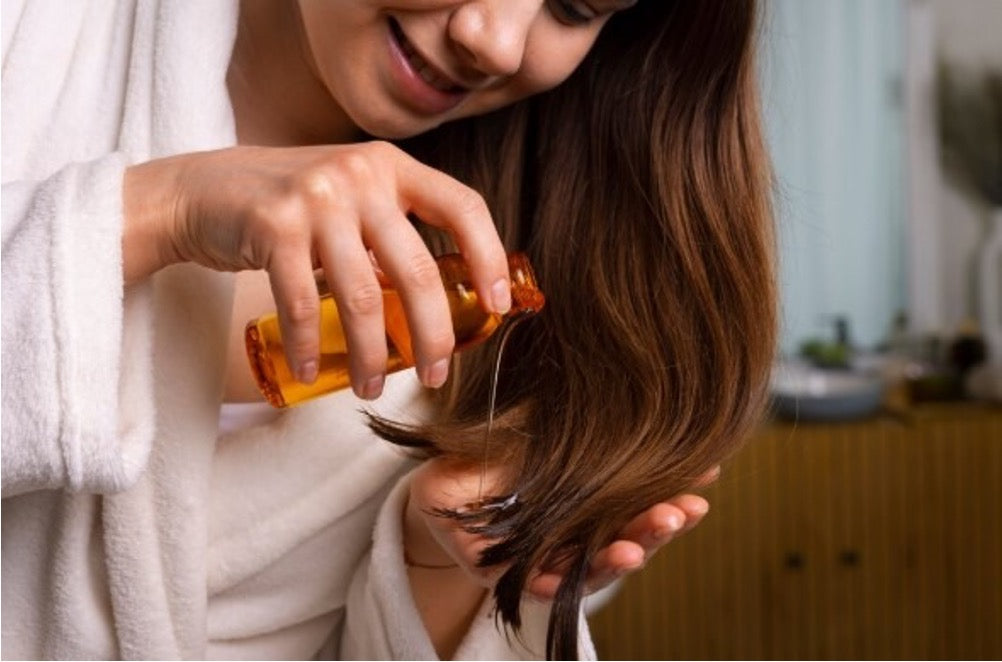
- Castor oil provides deep hydration and has long been used in traditional hair care for its soothing properties.
- For those dealing with more persistent irritation, Capixyl™, a patented complex combining a biomimetic peptide (Acetyl Tetrapeptide-3) with Red Clover Extract, has anti-inflammatory qualities that ease scalp inflammation and minimize redness, while also containing antioxidants that protect follicles from oxidative damage.
If your scalp irritation persists beyond a few weeks, involves open sores or significant hair loss, or if over-the-counter antihistamines don't bring relief, consult a dermatologist. Chronic scalp conditions like psoriasis and severe seborrheic dermatitis can mimic seasonal irritation but require targeted medical intervention.
Preventing Itchy Scalp Throughout the Spring Season
Prevention is always easier than treatment. These strategies help you stay ahead of spring scalp problems before they escalate.

Regular hair washing with a gentle, sulfate-free cleanser during allergy season helps remove pollen buildup and prevent scalp irritation.
Reduce Allergen Contact
Wear a hat or scarf when pollen counts are high. Scheduling outdoor activities when pollen counts are low helps reduce exposure. Many weather apps now include pollen forecasts that make planning easier.
Maintain a Consistent Wash Schedule
Don't wait until your scalp is visibly irritated to cleanse. A regular washing cadence, ideally every 1–2 days during peak season, helps prevent allergen accumulation. Use lukewarm water rather than hot, which can strip protective oils and worsen dryness.
Audit Your Hair Care Products
Get rid of products that contain known irritants such as sodium lauryl sulfate, synthetic fragrances, and parabens. Opt for formulas built on natural, non-toxic ingredients that nourish the scalp rather than aggravating it.
Support Your Hair From the Inside
Allergic reactions are a form of stress on the body, which may impact the scalp or worsen preexisting hair conditions. Maintaining a balanced diet rich in zinc, omega-3 fatty acids, and B vitamins supports your body's inflammatory response and overall follicle health.
Why Trybello Hair Helper Spray Plus Supports Scalp Health Year-Round

Trybello Hair Helper Spray Plus, enhanced with Capixyl™, biotin, and caffeine, nourishes the scalp and supports thicker, fuller hair growth.
Spring allergens and rising humidity frequently disrupt scalp health by triggering inflammation and persistent itching. Addressing these seasonal challenges requires a consistent care routine focused on gentle cleansing and targeted hydration. By removing daily buildup and applying nourishing botanical ingredients, individuals can maintain a calm and comfortable scalp throughout the season.
Trybello Hair Helper Spray Plus delivers a targeted formulation designed to soothe irritation while promoting thicker and more resilient hair. The advanced blend features Capixyl™, biotin, and caffeine to support optimal follicle function without relying on harsh chemicals or artificial fragrances. With a 120 day growth guarantee, this vegan formula ensures a reliable path toward restoring lasting scalp and hair vitality.
Frequently Asked Questions (FAQs)

Trending Topics

*Disclaimer: Individual results may vary. The information provided in this article is for educational purposes only and is not intended as medical advice. Consult a healthcare professional before starting any new hair or lash care regimen, especially if you have sensitivities or underlying health conditions. Product pricing is subject to change. For full terms, visit Trybello.com.

See our latests posts #TRYBELLO