Neem Oil vs Coconut Oil for Hair Growth: Benefits, Usage & Side Effects
BY TRYBELLO
Oct 29, 2026

Key Takeaways
- Neem oil suits dandruff, itching, and scalp irritation, while coconut oil suits dryness, frizz, and the protein loss caused by washing and heat styling.
- Neither oil regrows hair or stops thinning caused by hormones, nutrition, stress, or genetics; both help indirectly by calming the scalp or reducing breakage.
- Neem oil is potent and should be diluted, typically 4–5 drops in 1 tablespoon of coconut oil, applied once or twice a week.
- Coconut oil can go straight on hair as a mask, pre-wash treatment, or conditioner, but heavy use can cause buildup and clog pores.
- Trybello's Hair Helper Spray combines five actives, including caffeine and biotin, to boost scalp circulation and target shedding that oils alone rarely fix, while the Trybello Hair Repair & Anti-Stress Gummies support the body against the stress-related shedding oils can’t reach.
Matching Neem Oil or Coconut Oil to Your Hair Concern
Dandruff calls for neem oil's antifungal bite, frizz and dryness call for coconut oil's moisture, but neither one reverses hair thinning rooted in hormones, stress, or genetics. Most people reach for whichever oil is in the kitchen cabinet the moment they notice extra strands in the shower drain, assuming a scalp oil can fix a problem that's actually happening somewhere else in the body. That mismatch between the symptom you see and the cause you can't see is exactly why so many oil routines feel promising for a few weeks, then quietly stall.
The deeper issue is that oils treat surface conditions like flaking, breakage, or dryness, not the follicle-level shifts that drive visible thinning over months. Stress-related shedding, in particular, tends to need support from the inside, not just a topical rub, which is where formulas built around biotin, caffeine, and plant extracts earn their place.
Trybello was built around that exact gap. The Trybello Hair Helper Spray delivers biotin and caffeine to the scalp to support circulation and reduce shedding, while the Trybello Hair Repair & Anti-Stress Gummies support the body through stress with L-theanine, zinc, and AnaGain™.


What Neem Oil Is & How It Works on Hair
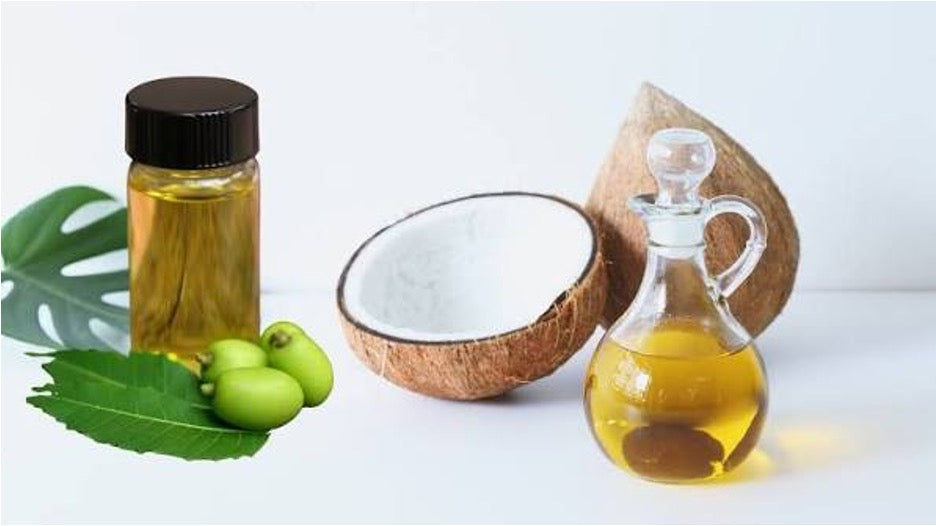
Neem oil is a thick oil pressed from the seeds of the neem tree (Azadirachta indica) and is a common ingredient in shampoos, soaps, and lotions.
Its value for hair comes from its antifungal, antibacterial, antiseptic, and anti-inflammatory properties. It also contains vitamin E, fatty acids, and antioxidants that support scalp condition and hair strength. Blended with almond or sesame oil, it may help strengthen roots and give hair a thicker look, though it isn’t a regrowth solution on its own.
Neem oil is potent and can irritate the skin, so it’s best diluted with a carrier oil like coconut oil before it touches your scalp. A patch test before first use is a good idea, especially if you have sensitive skin. It has a thick texture and a strong, earthy smell.

Neem oil is pressed from the seeds of the neem tree and is best diluted before scalp use.
What Coconut Oil Is & How It Works on Hair
Coconut oil is made by pressing the meat inside coconuts. It’s solid at room temperature, turns liquid when warmed, and is a common moisturizing ingredient in hair care products.
It comes in two main types. Virgin coconut oil uses fresh coconut meat, while refined coconut oil uses dried coconut meat. Fractionated coconut oil, a processed form, stays liquid at room temperature and is often used as a hair oil.
Coconut oil penetrates the hair shaft more effectively than many alternative oils, which lets it reduce the protein loss that happens every time hair is washed, heat styled, or chemically treated. Protein loss is what makes hair feel rough, look dull, and snap more easily, so slowing it down has a direct, visible payoff. This is also why coconut oil is so often recommended before, rather than after, a wash or heat styling session.
Neem Oil & Coconut Oil Benefits for Hair
Neem Oil Benefits
1. Controls Dandruff Linked to Malassezia Fungus
Dandruff is frequently tied to Malassezia, a yeast-like fungus that thrives on the scalp's natural oils. Neem oil's antifungal properties may help keep this fungus in check, which is why it's commonly recommended for dandruff that doesn't respond well to regular shampoo alone.
2. Calms Redness & Itching
An irritated, inflamed scalp is uncomfortable and can make hair fall feel worse than it actually is. Neem oil's anti-inflammatory action may help calm this redness and itching, giving the scalp a chance to settle before more serious shedding sets in.
3. Helps With Mild Scalp Acne
Scalp acne isn't talked about as often as facial acne, but it follows a similar pattern of clogged follicles and bacterial buildup. Neem oil's antibacterial properties may offer some relief here, particularly for mild cases where the skin barrier isn't severely compromised.
4. May Assist With Lice When Combined With Other Treatments
Neem oil carries insecticidal properties, which is part of why it shows up in natural lice remedies. It's worth being clear that it's not a guaranteed standalone cure, so pairing it with proven lice treatments tends to give more reliable results than relying on neem oil alone.
Coconut Oil Benefits
1. Adds Moisture & Reduces Frizz
Coconut oil's ability to penetrate the hair shaft means it hydrates from the inside out rather than sitting on the surface. This makes it particularly effective on dry, frizzy hair that doesn't respond well to leave-in conditioners alone.
2. Reduces Protein Loss From Washing & Heat Styling
Every wash and every pass of a flat iron strips some protein from hair. Coconut oil helps slow that loss, which is one reason it's often recommended as a pre-wash or pre-heat treatment rather than an after-the-fact fix.
3. Smooths the Hair Cuticle for Shine
A smoother cuticle reflects more light, and that's exactly what coconut oil helps achieve. For hair that looks dull or feels rough to the touch, this cuticle effect is often the first visible change people notice.
4. Supports the Scalp Barrier & Beneficial Bacteria
Coconut oil hydrates the scalp and may support a healthier balance of scalp bacteria, which in turn may reduce inflammation or dermatitis. Researchers note this area still needs more study, so it's reasonable to treat it as a secondary benefit rather than the main reason to use the oil.
How to Use Neem Oil & Coconut Oil for Hair
How to Use Neem Oil on Your Scalp
- Mix 1 tablespoon of coconut oil with 4–5 drops of neem oil.
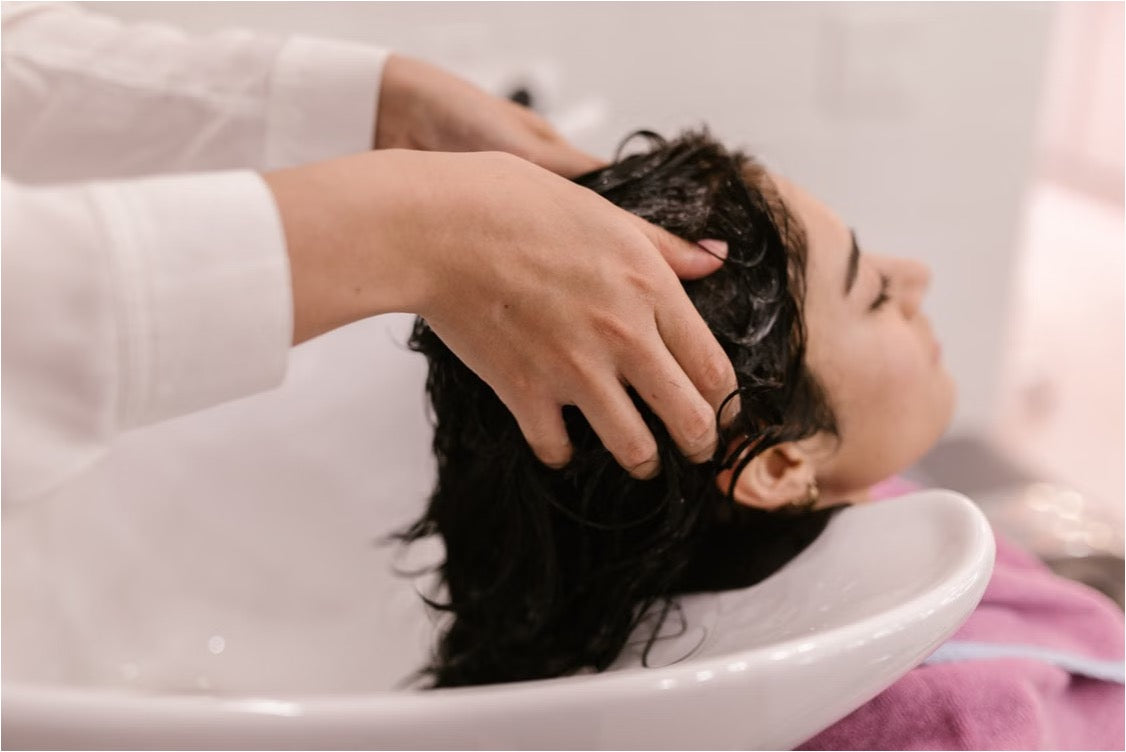
- Apply the blend to your scalp with your fingertips, massaging gently. Rubbing hard can damage hair roots.
- Leave it on for 30–60 minutes.
- Wash it out with a mild shampoo.
- Repeat once or twice a week.
For dandruff-prone scalps, the coconut oil can be warmed slightly before mixing, though it should never be overheated. Overnight use of neem oil should be limited, especially on oily scalps, since leaving it on too long can lead to irritation or buildup rather than added benefit.
How to Use Coconut Oil on Your Hair
- Rub about 2 tablespoons of warm coconut oil into your hair
- Leave it on for several hours or overnight
- Then rinse the hair
- Quick pre-wash treatment: Apply a small amount about 15 minutes before washing, focusing on the ends. This helps reduce the protein loss that happens during washing.
- Conditioner or frizz tamer: Use it in place of your regular conditioner, or smooth a tiny amount over damp hair to tame frizz. Wash it out thoroughly at your next shampoo to avoid buildup.

Coconut oil is solid at room temperature and turns liquid when warmed.
Side Effects & Precautions for Each Oil
Neem Oil Side Effects & Precautions
Neem oil is potent, so overuse or skipping dilution can cause buildup or scalp irritation. Do a patch test before your first full application to see how your skin reacts.
People with very sensitive skin, severe eczema or psoriasis, or who are pregnant should avoid neem oil or check with a doctor first. If you feel burning or itching after applying it, rinse it off right away. A neem-based shampoo or soap is a gentler option than the pure oil.
Coconut Oil Side Effects & Precautions
Coconut oil is gentler, but leaving it on too often or not washing it out thoroughly can cause buildup, especially on oily scalps. It can also clog pores and lead to blackheads and whiteheads, so keep it away from your face and other acne-prone areas.
Neem Oil vs Coconut Oil vs Trybello Hair Helper Spray Compared
| Feature | Trybello Hair Helper Spray | Neem Oil | Coconut Oil |
|---|---|---|---|
| Main action | Stimulates follicles and supports scalp circulation | Antifungal, antibacterial, anti-inflammatory | Moisturizes and protects hair protein |
| Best for | Thinning hair and shedding | Dandruff, itching, irritated scalp | Dry hair, frizz, breakage |
| Effect on hair fall | Designed to reduce shedding and support visible regrowth | Helps only when shedding is linked to dandruff or irritation | Indirect, by reducing breakage |
| Texture and smell | Lightweight, non-greasy, lightly scented | Thick, strong earthy smell | Light to medium, mild smell |
| Dilution needed | No, ready to use | Yes, 4–5 drops in 1 tablespoon of carrier oil | No, can be applied directly |
| How often to use | Daily leave-in | Once or twice a week, 30–60 minutes | Pre-wash, mask, or conditioner as needed |
| Main precautions | Vegan, cruelty-free, free of sulfates and parabens | Patch test first; avoid if pregnant or with very sensitive skin | Can cause buildup; keep off acne-prone skin |
Choosing Between Neem Oil, Coconut Oil, & Trybello for Hair Growth

Trybello is a US-based haircare brand with a 120-day results guarantee.
Neem oil and coconut oil each solve a specific, surface-level problem, dandruff for one and dryness and frizz for the other, but neither one addresses the internal factors like stress hormones or circulation that often drive real hair thinning. Lasting results mean matching the right oil to the right symptom while recognizing where oils simply fall short.
Trybello, on the other hand, works from two directions at once. The Trybello Hair Helper Spray brings biotin, caffeine, and other botanical actives to the scalp in a lightweight daily leave-in that needs no dilution, supporting circulation and reducing shedding where oils fall short. Paired with the Trybello Hair Repair & Anti-Stress Gummies, which use L-theanine, zinc, and AnaGain™ to help the body cope with the stress behind so much shedding, you cover both the scalp and the internal causes oils can’t reach. It all fits alongside your existing oil routine, and every order is backed by our 120-day guarantee. Try the Trybello Hair Helper Spray and Anti-Stress Gummies today.
Frequently Asked Questions (FAQs)

Trending Topics





*Disclaimer: Individual results may vary. The information provided in this article is for educational purposes only and is not intended as medical advice. Consult a healthcare professional before starting any new hair or lash care regimen, especially if you have sensitivities or underlying health conditions. Product pricing is subject to change. For full terms, visit Trybello.com.

See our latests posts #TRYBELLO