Hair Loss After Sinus Infection: Causes, Timeline & Treatment
BY TRYBELLO
Oct 28, 2026

Key Takeaways
- Hair loss after a sinus infection is usually telogen effluvium, a temporary shedding pattern in which many hair follicles enter a resting phase at the same time.
- Fever, inflammatory proteins called cytokines, physical stress, and nutrients diverted to the immune system together push follicles out of their growth phase early.
- Shedding typically starts two to four months after the infection and slows within three to six months. Full density can take up to twelve months to return.
- Treatment centers on gentle hair care, enough protein, iron, and zinc, and stress control. See a doctor if shedding lasts past six months or leaves bald patches.
- Trybello Hair Helper Spray adds a topical care step to post-illness recovery, nourishing the scalp with biotin, caffeine, and rice extract.
Can a Sinus Infection Trigger Hair Loss?
Yes, a sinus infection can lead to noticeable hair loss even though the infection never reaches the scalp. The shedding is a side effect of the body's response to being sick, not damage to the hair itself, so the hair almost always grows back once the underlying stress resolves.
Regrowth goes more smoothly when follicles have a healthy scalp to grow back from. Trybello Hair Helper Spray supports that recovery window with a lightweight, non-greasy daily formula designed to energize the scalp and reduce shedding as new hairs come in.
"Doctor-Approved Natural Spray Rapidly Boosts Growth & Thickness. Why 88,000+ Women Are Switching to Trybello!"
Join 88,000+ women who've transformed their hair with our doctor-formulated spray, rated 4.85/5 Excellent by 60,000+ real reviewers.

Proven Natural Ingredients
- ✓ Caffeine – Energizes follicles and supports a longer, healthier growth phase
- ✓ Sophora Flavescens Extract – Revitalizes dormant follicles for improved density
- ✓ Oryza Sativa (Rice) Extract – Antioxidant-rich, protects follicles from oxidative stress
- ✓ Angelica Polymorpha Sinensis Root Extract – Boosts scalp microcirculation and nutrient delivery
- ✓ Biotin – Strengthens hair structure and supports keratin production from within


What Causes Hair Shedding After Sinusitis?
Fever & Inflammation During Illness
Fever, congestion, inflammation, fatigue, and stress can all push hair follicles prematurely out of their growth phase and into the resting telogen phase. This is the body's way of redirecting energy toward fighting infection rather than maintaining non-essential functions like hair growth. The follicles themselves usually aren't damaged in the process, which is why this type of hair loss tends to reverse on its own once the underlying stress resolves.

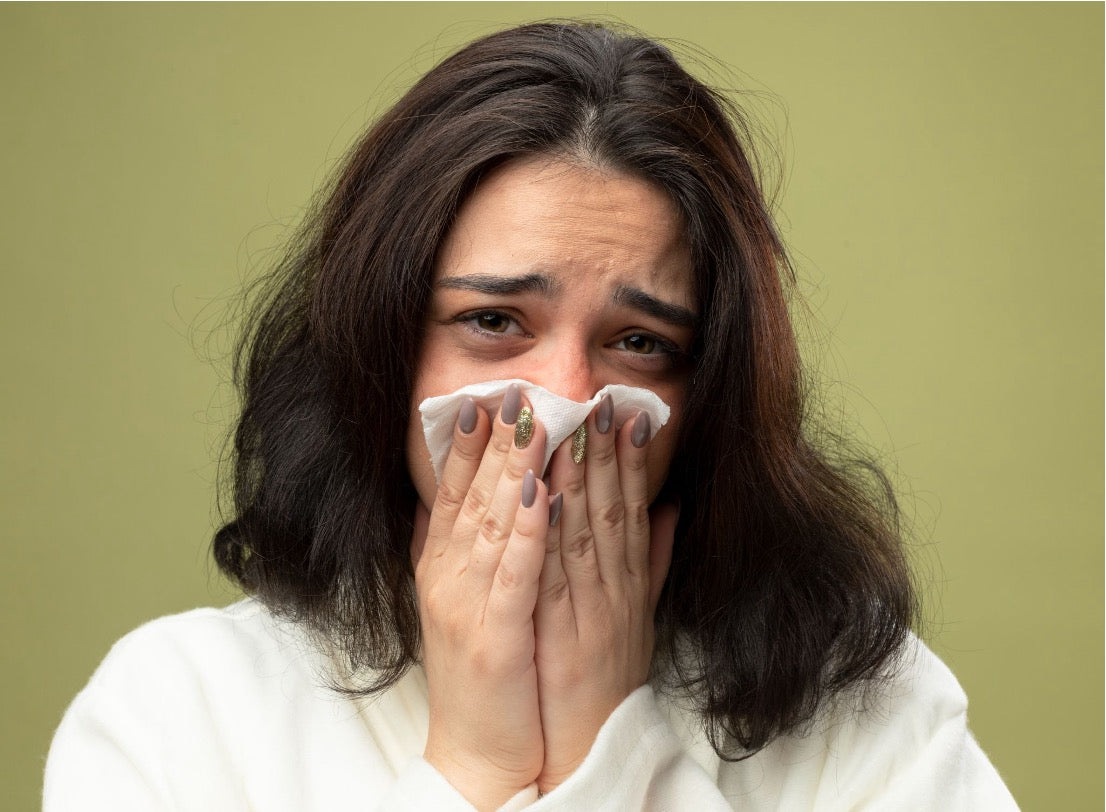
Fever can push hair follicles into an early resting phase.
Physical & Emotional Stress From Being Sick
Sinusitis-related discomfort and the worry that comes with ongoing symptoms can contribute to hair thinning through stress-related hormonal changes and inflammation. The body doesn't always distinguish between physical stress from illness and emotional stress from dealing with it. Both pathways can feed into the same shedding response, which is part of why hair fall after a sinus infection can feel disproportionate to how sick someone actually felt.
Protein & Nutrient Deficiencies
Hair loss is closely linked to protein and other nutritional deficiencies. During illness, appetite often drops and eating patterns shift, which can reduce the building blocks hair follicles need to stay in an active growth cycle. This makes nutrition one of the more overlooked contributors, especially for people who have had a longer or more severe sinus illness.
Chronic Sinus Symptoms & Ongoing Inflammation
Chronic sinusitis tends to build over time, as allergies, repeated infections, and irritants like smoke or air pollution keep the sinus lining swollen and trap thick mucus. When sinus symptoms don't fully resolve, the ongoing inflammatory response may continue to indirectly affect hair health rather than giving the body a clear recovery window.
Long-Term Decongestant or Antihistamine Use
Extended use of decongestants or antihistamines may affect nutrient absorption or contribute to dryness, both of which can influence hair health over time. This matters most for people who rely on these medications repeatedly for recurring sinus flare-ups rather than a single short course.
Timeline: How Hair Loss Unfolds After a Sinus Infection
During the Infection: Follicles Shift Into Rest
At any given time, most healthy follicles are in the growth phase, called anagen, which keeps hair looking full. A sinus infection upsets that balance. As the immune system fights back, it releases inflammatory proteins called cytokines, and lab research shows that high levels of these can slow hair growth and trigger the loss of cells that build the hair bulb.
Fever, congestion, poor sleep, and stress add to the strain, while the body sends nutrients toward immune defense instead of hair production. Together, these push follicles out of the growth phase early and into the resting phase, called telogen. Nothing falls out yet, because the change happens beneath the scalp.
Months 1–2: No Visible Changes Yet
Resting hairs stay in place for several weeks before they release, so the first month or two after recovery usually looks normal. Most people feel healthy again by this point and have no reason to watch their hair. This quiet stretch is why the sinus infection rarely gets connected to the shedding that follows.
Months 2–4: Shedding Becomes Noticeable
About two to four months after the illness, the resting hairs start to fall, often in larger amounts than usual. Because so many follicles entered telogen at the same moment, they also let go at around the same time. This is when people spot extra hair in the shower drain, on the pillow, or in their brush.
Some people also notice their shedding seems to follow repeated sinus flare-ups, with a new wave of hair fall arriving weeks after each bad episode. The long gap between infection and shedding is the main reason this pattern catches people off guard.
Months 3–6: Shedding Slows, & Regrowth Begins
Active shedding can last several weeks, and how heavy it gets usually reflects how intense the illness was. Research on viral infections has linked stronger whole-body inflammation to heavier hair shedding. Ongoing stress after recovery can also keep the shedding going longer.
By the three- to six-month mark, shedding eases as follicles finish resting and return to growth. The first new hairs are short, soft, and fine, and they often become visible first where hair is parted or pulled back. Over the following months, these new strands gradually thicken and lengthen.
Months 6–12: Fullness Returns
Most people see a clear improvement in fullness between six and nine months. Regaining former density can take up to a year, with age, genetics, diet, and overall health affecting the pace. Shedding after an illness shifts timing, not follicle damage, so it is almost always temporary.

Shedding often shows up two to four months after a sinus infection.
Hair Loss Stages After a Sinus Infection
| Stage | What Happens to Follicles | What You Notice |
|---|---|---|
| During the infection | Fever, inflammation, stress, and nutrient diversion push follicles from growth into rest | No visible changes |
| Months 1–2 | Resting hairs stay in place for several weeks | Hair looks normal, and you feel recovered |
| Months 2–4 | Resting hairs release at around the same time | Extra hair in the drain, on the pillow, or in the brush |
| Months 3–6 | Shedding eases as follicles return to growth | Short, soft, fine hairs along the hairline and part |
| Months 6–12 | New strands thicken and lengthen | Clear improvement by 6–9 months, full density within a year |
How to Support Hair Recovery After Illness.
Eat Enough Protein & Calories
Hair follicles need a steady supply of protein and calories to stay in an active growth cycle, and illness often disrupts eating patterns right when the body needs nutrition most. Rebuilding consistent meals with adequate protein gives the body the raw materials it needs to shift follicles back into growth.
Check Iron, Vitamin D, & Zinc Levels
Supplementing nutrients only makes sense if a deficiency is confirmed through testing. Adding iron, vitamin D, or zinc without evidence of a shortfall won't speed up regrowth and may not address what's actually driving the shedding.
Protect Hair With Gentle Styling Habits
Harsh handling adds breakage on top of hair you are already losing, so tight ponytails, excessive heat tools, harsh chemical treatments, and aggressive brushing should be minimized until the shedding slows. Gentle handling won't stop the underlying telogen effluvium process, but it does reduce additional stress on hair that's already in a fragile state.
Lower Stress & Cortisol Levels
Illness-related stress and cortisol can prolong the shedding phase, which makes stress management an actual recovery tool rather than just a comfort measure. Simple daily practices such as meditation or controlled breathing exercises may help lower the stress load the body is carrying. Reducing stress won't reverse shedding overnight, but it removes one more factor keeping follicles stuck in the resting phase longer than necessary.
Use Topical Scalp Care Products
Applying a treatment directly to the scalp supports the follicles where regrowth begins, which makes it a useful addition while the body recovers. Trybello Hair Helper Spray combines five actives, including caffeine and biotin, in a lightweight daily spray that slots easily into an existing routine. Results build in stages over three to six months, so steady daily use gives recovering hair the best support.
Help Your Hair Grow Back After a Sinus Infection With Trybello

Trybello Hair Helper Spray nourishes the scalp with biotin, caffeine, and Rice extract.
Hair loss after a sinus infection is almost always temporary, but it follows a slow timeline. Shedding peaks months after recovery, and new growth can take six to twelve months to fill in. Patience, steady nutrition, and gentle hair care give follicles the best chance to return to full density.
We recommend adding Trybello Hair Helper Spray to that routine while new hairs thicken. Its lightweight, non-greasy blend of biotin, caffeine, and rice extract nourishes the scalp, and our 120-day results guarantee lets you try it risk-free. Start your regrowth routine with Trybello Hair Helper Spray.
Frequently Asked Questions (FAQs)

Trending Topics


*Disclaimer: Individual results may vary. The information provided in this article is for educational purposes only and is not intended as medical advice. Consult a healthcare professional before starting any new hair or lash care regimen, especially if you have sensitivities or underlying health conditions. Product pricing is subject to change. For full terms, visit Trybello.com.

See our latests posts #TRYBELLO