Hair Loss After Sea Water: Causes & Hair Care Tips
BY TRYBELLO
Oct 19, 2026

Key Takeaways
- Seawater doesn’t cause hair to fall out from the root, but salt residue dries and stiffens strands, increasing breakage during combing and styling.
- Sun exposure, pre-existing chemical damage, and repeated wetting and drying cycles compound the drying effect of salt, leaving hair progressively more fragile across a beach trip.
- Pre-swim steps like saturating hair with fresh water and applying leave-in conditioner limit how much salt hair absorbs, while a wide-brimmed hat cuts UV exposure.
- Rinsing with fresh water immediately after swimming, then washing with a gentle shampoo and conditioning the lengths, reverses most salt-related stiffness and reduces breakage.
- Trybello Hair Helper Spray nourishes the scalp daily with biotin, caffeine, and botanical actives for stronger, thicker hair, backed by a 120-day growth guarantee.
Can Sea Water Make Your Hair Fall Out?
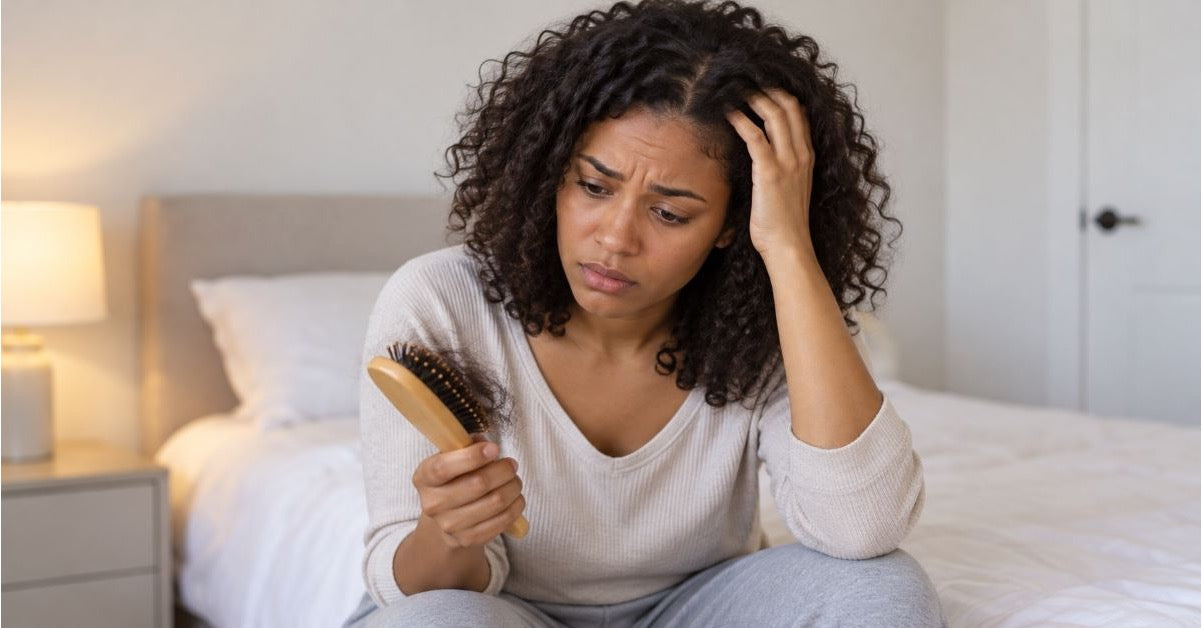
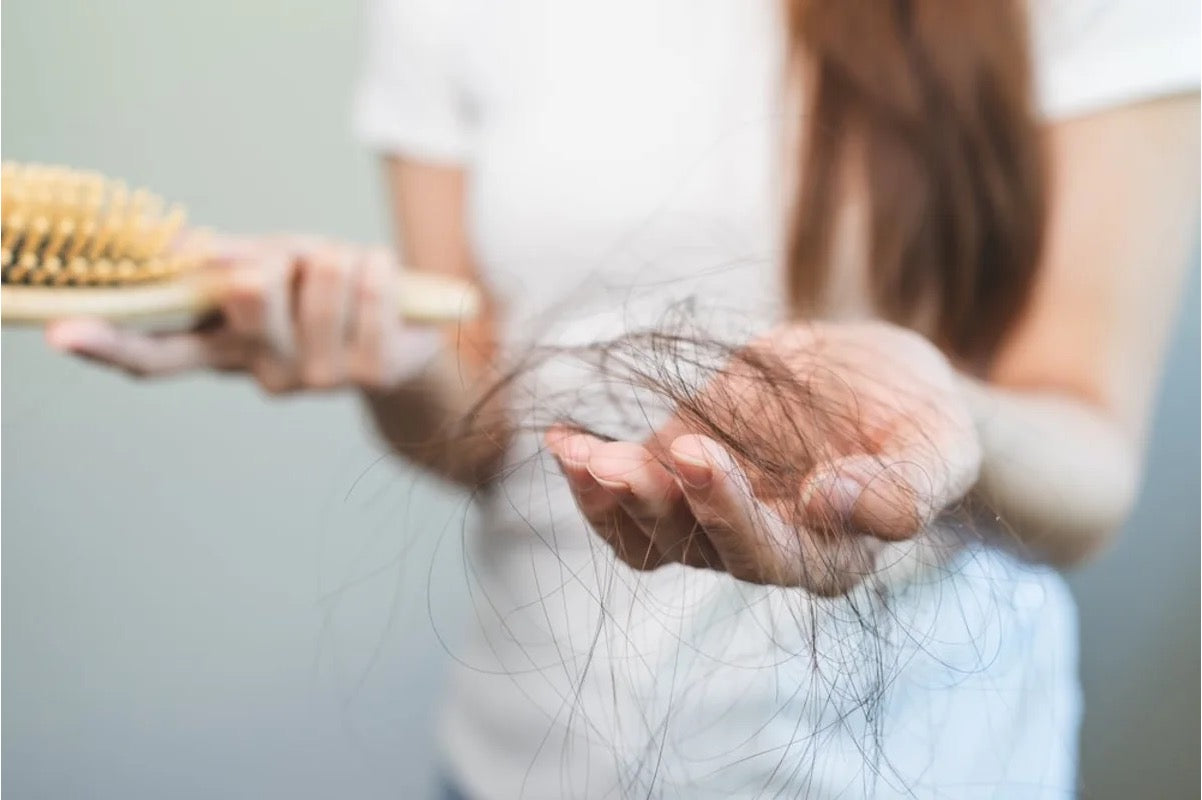
Sea water does not pull hair out by the root. Most of what feels like hair loss after a swim is actually breakage or tangled strands shedding during detangling, not follicles releasing early. The mix-up happens because salt-stiffened hair tends to shed more visibly during a post-beach wash, which makes an ordinary shower look alarming even when nothing unusual is happening underneath the scalp.
That distinction is reassuring, since breakage affects the strand rather than the root. Pair a simple rinse-and-condition routine with Trybello Hair Helper Spray to keep your scalp nourished and your strands stronger after a beach swim.
"Doctor-Approved Natural Spray Rapidly Boosts Growth & Thickness. Why 88,000+ Women Are Switching to Trybello!"
Join 88,000+ women who've transformed their hair with our doctor-formulated spray, rated 4.85/5 Excellent by 60,000+ real reviewers.

Proven Natural Ingredients
- ✓ Caffeine – Energizes follicles and supports a longer, healthier growth phase
- ✓ Sophora Flavescens Extract – Revitalizes dormant follicles for improved density
- ✓ Oryza Sativa (Rice) Extract – Antioxidant-rich, protects follicles from oxidative stress
- ✓ Angelica Polymorpha Sinensis Root Extract – Boosts scalp microcirculation and nutrient delivery
- ✓ Biotin – Strengthens hair structure and supports keratin production from within


Main Causes of Hair Loss After Sea Water Exposure

Salt, sun, and repeated swims can all add up to drier, more fragile strands by the end of a beach trip.
Saltwater-Induced Hair Dryness
As seawater evaporates, salt crystals stay behind on the hair shaft, leaving strands stiff, dull, and harder to comb through. Laboratory testing on hair fibers found that salt deposits changed physical properties, including shine and combing behavior. Freshwater rinsing reduced some of these effects, and shampooing plus conditioning brought hair closer to its original condition.
That added resistance during combing matters because it leads to more pulling and snapping, particularly on hair that is already damaged or weakened from other sources.
Sun Exposure & UV Damage
Sunlight on its own can leave hair dry, brittle, frizzy, and prone to split ends. Paired with salt exposure, it becomes even harder to manage than either one alone. Ultraviolet radiation weakens hair proteins and fades color, so a wide-brimmed hat during beach time or extra shade during long outdoor stretches is a practical way to cut down on that exposure.
Pre-Existing Damage From Bleach, Relaxers, or Heat
Hair that's already bleached, chemically treated, or frequently heat-styled has less room to absorb additional stress from salt and sun. Bleached and color-treated hair is particularly vulnerable to surface damage from seawater, while curly and coily hair often does better with a moisture-focused routine and less frequent use of strong clarifying shampoo.
Repeated Wetting & Drying
Hair is at its weakest while it’s wet, so a day of repeated swims leaves it more vulnerable to friction and combing damage. That vulnerability is greater in porous or chemically treated hair than in hair that’s never been colored or relaxed.
How Should You Protect Your Hair Before Swimming?
1. Wear a Well-Fitting Swim Cap
A swim cap that fits comfortably, without digging into the hairline, reduces how much salt water reaches your hair in the first place. It won't seal completely, and water will still get in around the edges, but it meaningfully cuts down exposure for regular swimmers. Avoid caps tight enough to pull at the scalp, since that tension can contribute to a separate problem: traction alopecia.
2. Apply Leave-In Conditioner or Oil First
Coating your hair with a leave-in conditioner or a small amount of oil before swimming gives salt water less direct contact with the strand. This step is a protective aid, not a waterproof seal, so it works best alongside a prompt rinse afterward rather than as a stand-alone fix.
3. Pre-Wet Hair With Fresh Water
Saturating your hair with fresh water before swimming is one of the most commonly recommended protective steps, and it is simple enough to do at an outdoor shower or with a water bottle if nothing else is available. The idea is to wet the full length of the hair, not just splash the surface, since hair that has already absorbed fresh water has less capacity to soak up salt water once you're in the ocean.
Pair the pre-wet with a leave-in product for the best combined effect, especially if you know you'll be in the water for an extended swim session.
4. Choose Loose Styles Over Tight Ones
A loose braid is a practical way to prevent tangling while swimming, and it keeps hair contained without putting pressure on the hairline. Tight buns, ponytails, or heavy braided styles might feel more secure, but repeated tension on the follicles from tight styling can lead to traction alopecia, a distinct form of hair loss separate from anything caused by salt or sun.
5 Steps for Hair Care After Swimming

A quick routine right after each swim helps keep salt from leaving hair dry and tangled.
1. Rinse Out Salt Residue Right Away
A thorough freshwater rinse is the single most useful thing you can do right after swimming. Rinsing is an effective way to reverse some of the physical changes salt causes, including stiffness and increased combing resistance. Do this as soon as it's practical rather than letting salty hair dry out over the rest of the day, since salt left sitting in the hair keeps acting on the fiber until it’s rinsed out.
2. Wash With a Gentle, Scalp-Friendly Shampoo
Swimming guidance generally recommends shampooing within a few hours of leaving the water, followed by conditioning. A gentle shampoo suited to your scalp type is a sensible starting point, and you don't need a strong clarifying formula after every single ocean swim.
Massage shampoo into the scalp rather than scrubbing the lengths together, letting the rinse water carry it through the rest of the hair. Curly and coily hair types can often go longer between clarifying washes than straighter hair, since clarifying shampoo tends to strip moisture that curlier textures need to retain.
3. Condition to Reduce Friction
Conditioner coats the hair shaft, improves slip, and directly reduces breakage and split ends during detangling. Apply it through the lengths and ends, where salt exposure and friction do the most damage, following the product's specific directions for contact time. Reach for a deep conditioner when hair feels unusually dry or hard to manage after a swim, since the extra moisture helps offset what the salt stripped away.
4. Detangle Based on Your Hair Type
For straight hair, let it dry partway before combing gently. For textured hair or tight curls, work through tangles while the hair is still damp and coated in conditioner. In both cases, use a wide-tooth comb and work through small sections at a time.
Avoid brushing or combing hair that is still coated in dry salt. This approach minimizes mechanical stress at the exact point when hair's most vulnerable to snapping.
5. Dry Without Rough Towel Rubbing
Once hair is clean and conditioned, squeeze out excess water with a towel instead of rubbing strands together, since rubbing roughs up the outer cuticle layer and makes tangling worse. When practical, let hair air-dry to give it a break from additional heat exposure while it's already dealing with stress from salt and sun.
If you do need to use a dryer or straightener afterward, use the lowest effective heat setting and the shortest possible contact time to limit extra strain on strands that are already more fragile than usual.
Strengthen Sea-Exposed Hair With Trybello Hair Helper Spray

Customers report going from visible scalp to thicker, fuller hair with Trybello Hair Helper Spray.
Hair that feels stiff and dull after a beach day usually reacts to salt and sun on the surface, and a steady post-swim routine can help manage it. Over time, caring for the scalp and strands between swims helps your hair hold up better each beach season.
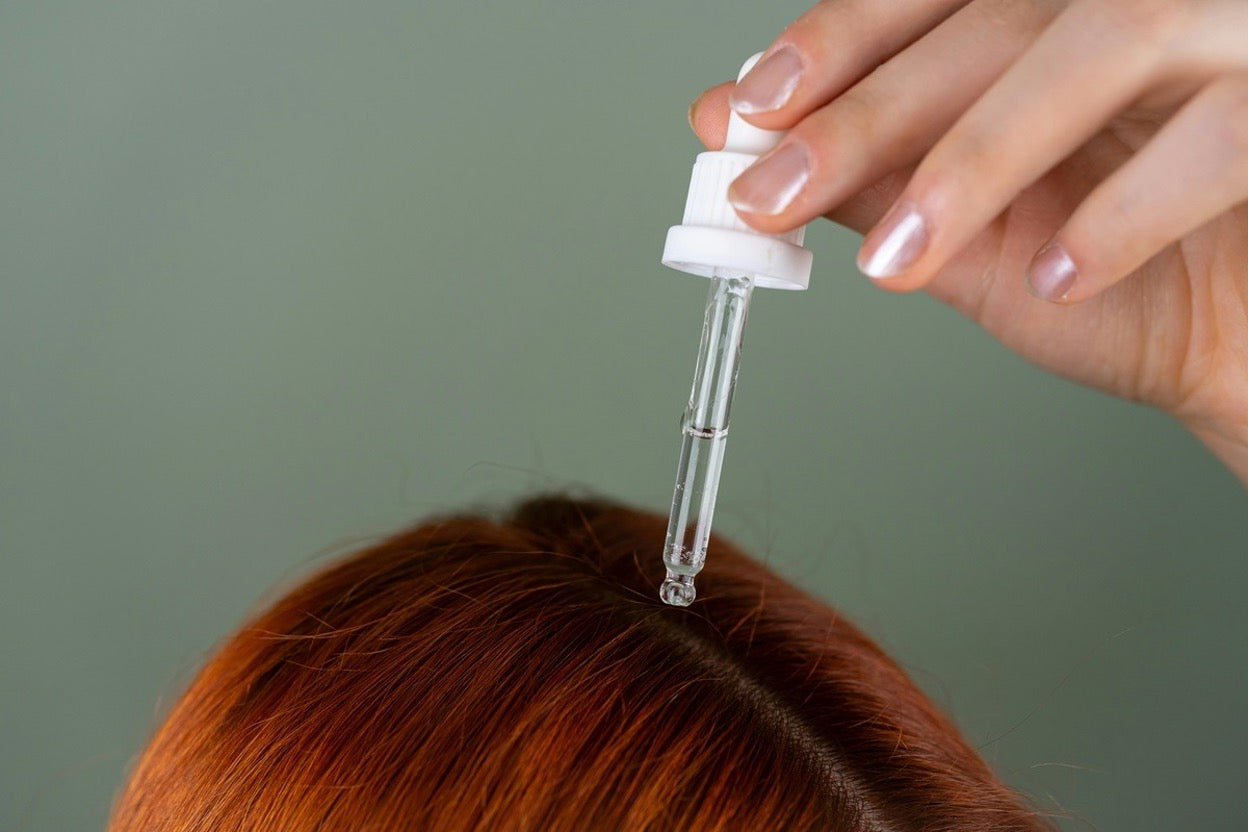
Our Trybello Hair Helper Spray nourishes the scalp with biotin, caffeine, and botanical actives for stronger, thicker, healthier-looking hair. It suits all hair types and ethnicities, including fine and thin hair, and it won’t leave strands greasy. Add it to your daily routine today, backed by our 120-day growth guarantee.
Frequently Asked Questions (FAQs)

Trending Topics






*Disclaimer: Individual results may vary. The information provided in this article is for educational purposes only and is not intended as medical advice. Consult a healthcare professional before starting any new hair or lash care regimen, especially if you have sensitivities or underlying health conditions. Product pricing is subject to change. For full terms, visit Trybello.com.

See our latests posts #TRYBELLO