Hair Loss After Bronchitis: Causes, Timeline & Recovery
BY TRYBELLO
Oct 17, 2026

Key Takeaways
- Bronchitis rarely damages hair follicles directly, but fever, severe illness, poor sleep, low appetite, and medication timing can push hair into an early resting phase called telogen effluvium.
- Shedding usually shows up two to four months after the illness, often long after the cough has cleared, which is why many people miss the link.
- Telogen effluvium shedding typically lasts three to six months, and hair usually regains normal fullness within six to nine months as the body readjusts.
- Recovery needs no treatment in most cases, though a fever that will not settle, breathlessness, or symptoms past three weeks are reasons to see a doctor.
- Trybello Hair Helper Spray supports a gentle daily scalp-care routine with caffeine, biotin, and plant extracts that help new strands look fuller during post-bronchitis regrowth.
Can Bronchitis Cause Hair Loss?
Bronchitis does not directly cause hair loss, because the illness affects the airways in the chest and not the follicles on the scalp. The CDC describes acute bronchitis as swelling of the airways in the lungs that produces mucus and causes coughing. A virus usually causes it, so antibiotics will not help because they work against bacteria, not viruses.
Symptoms such as coughing, tiredness, congestion, sore throat, and mild body aches usually last less than three weeks and clear up on their own. The connection to hair comes from the body’s stress response during that time, since a high fever, several nights of poor sleep, a reduced appetite, or a new medication can shock some scalp follicles into the resting phase of the hair cycle too early.
That resting-phase shedding, called telogen effluvium, is what shows up weeks or months later. The bronchitis itself is only the starting point for the process that eventually leads to extra hair in the brush or shower drain.

The scalp is a bystander here, since the shedding is a downstream effect of what fever, broken sleep, and new medication do to the rest of the body.
"Doctor-Approved Natural Spray Rapidly Boosts Growth & Thickness. Why 88,000+ Women Are Switching to Trybello!"
Join 88,000+ women who've transformed their hair with our doctor-formulated spray, rated 4.85/5 Excellent by 60,000+ real reviewers.

Proven Natural Ingredients
- ✓ Caffeine – Energizes follicles and supports a longer, healthier growth phase
- ✓ Sophora Flavescens Extract – Revitalizes dormant follicles for improved density
- ✓ Oryza Sativa (Rice) Extract – Antioxidant-rich, protects follicles from oxidative stress
- ✓ Angelica Polymorpha Sinensis Root Extract – Boosts scalp microcirculation and nutrient delivery
- ✓ Biotin – Strengthens hair structure and supports keratin production from within


Main Causes of Hair Loss After Bronchitis
Fever & Whole-Body Stress
Fever is one of the most common triggers of telogen effluvium. When body temperature rises for several days, the physical strain signals some hair follicles to pause growth and shift into the shedding phase about two to four months later. A high fever, or an illness that keeps the body under strain for longer, is more likely to trigger noticeable shedding.
Severe or Prolonged Respiratory Illness
Most acute bronchitis clears up within a week or two, though the cough can linger for up to four weeks after the infection is gone. But a more severe case, with high fever, significant fatigue, or an infection that lasts past three weeks, puts more sustained stress on the body. That extended strain is more likely to push a noticeable number of follicles into shedding than a mild, short-lived cold.
Poor Sleep & Low Appetite During Recovery
Coughing fits that interrupt sleep night after night, combined with a reduced appetite while feeling unwell, add another layer of physical stress on top of the illness itself. Stress is a leading cause of telogen effluvium, so a rough week or two of poor rest and low appetite may add to the strain your body is already under from the fever and infection.
Medication Timing
Some medications taken during a respiratory illness can trigger telogen effluvium. Shedding linked to a new drug usually becomes noticeable two to four months after you start taking it, which closely matches the timing of fever-related shedding. If you began a new prescription around the same time as your bronchitis, consider it a possible contributing factor, since the infection may not be the only cause of the extra hair loss.

Poor sleep from coughing fits and a reduced appetite while unwell add physical stress that can contribute to shedding after bronchitis.
Hair Loss Timeline After Bronchitis
Weeks 0 to 8: Shedding Has Not Started Yet
During the first two months after bronchitis, the scalp usually looks completely normal, even though the cough and fatigue may already be gone. This is the quiet period of telogen effluvium, when follicles have already entered the resting phase but are still holding on to their hair.
Because of that delay, heavy shedding within the first few weeks of a bronchitis diagnosis is more likely to have a different cause and is worth checking with a healthcare provider.
Months 2 to 4: Shedding May Begin
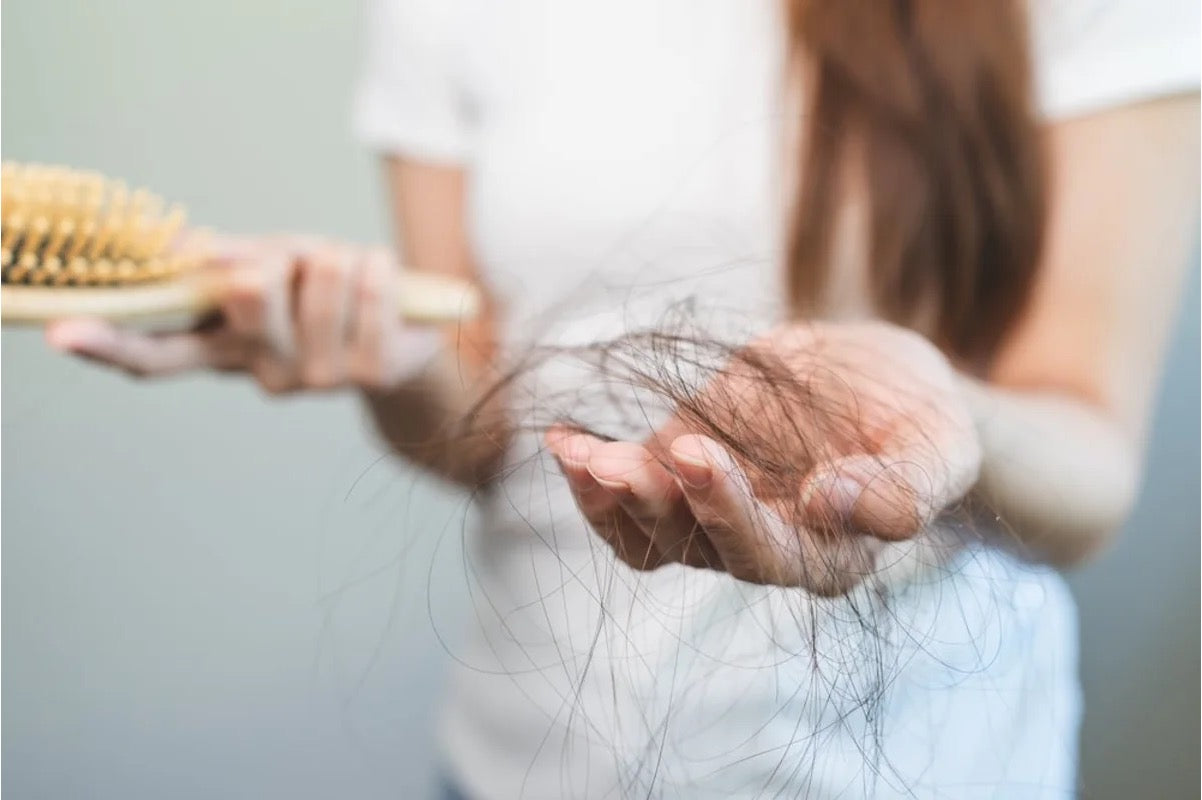
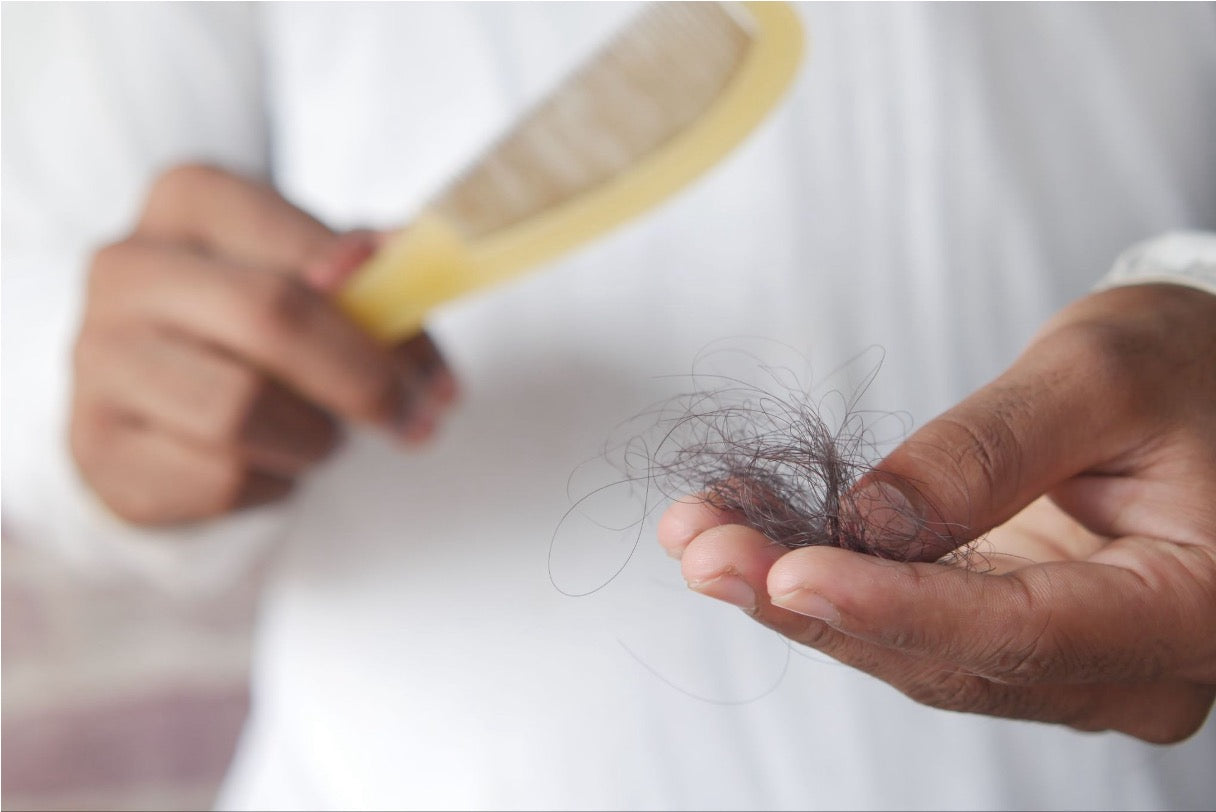
This is when most people first notice extra hair in the shower drain, on the pillow, or in a hairbrush. The delayed effects of fever, severe symptoms, poor sleep, or medication finally catch up with the hair cycle, and resting follicles release strands.
The amount of shedding varies from person to person. Someone with a mild case and no fever might notice only a few more loose strands, while someone who had a high fever for several days and disrupted sleep may see more obvious thinning across the scalp.
Months 3 to 9: Shedding Slows & Fullness Returns
Telogen effluvium usually lasts three to six months, so shedding tends to peak and then slow during this stretch. Because bronchitis usually clears within a few weeks, the shedding linked to it tends to wind down well before the one-year mark, and most cases resolve on their own once the trigger passes, with no treatment needed.
Hair tends to regain its normal fullness within six to nine months as the body readjusts. For example, thinning noticed in spring after a winter bout of bronchitis has usually resolved by the following fall.
Regrowth isn’t always obvious at first, since new strands start out short and fine and can make the hair look a little uneven. Taking a photo each month in the same lighting is a more reliable way to track progress than checking the mirror every day.
What Helps Hair Look Fuller During Recovery?
Recovery from post-bronchitis shedding isn't something to rush, but there are practical steps that support the process while the hair cycle resets itself.
Confirm the Trigger First
Before assuming bronchitis is the cause, rule out other possibilities. Thyroid issues, iron deficiency, and genetic thinning can all produce similar shedding patterns and don't follow the same two-to-four-month delay. A simple way to check is to count how many months have passed since the bronchitis episode and compare that to the delayed timeline described earlier.
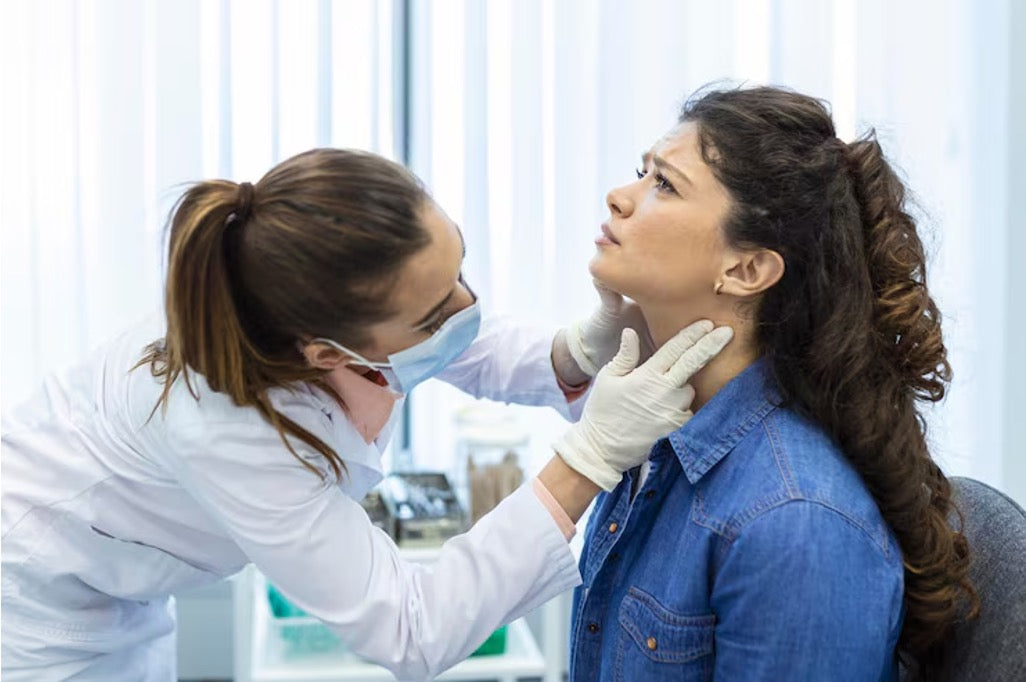
If the timing lines up, telogen effluvium is the most likely explanation. If shedding started right away, or continues well past the nine-month mark without slowing, consider seeing a healthcare provider to rule out other causes.
Support Recovery Basics
Sleep, balanced meals, and stress reduction all support the body's natural recovery, which in turn supports the hair growth cycle. None of these speed up regrowth overnight, but consistent basics give follicles the best environment to resume normal growth once the resting phase ends.
Support New Strands With Hair Care Products
A daily scalp-care routine can help new strands look and feel fuller as they come in during the recovery window. This is where a product like Trybello Hair Helper Spray fits in, not as a treatment for bronchitis or a cure for telogen effluvium, but as a simple addition to a daily routine during the months when hair is visibly thinner.
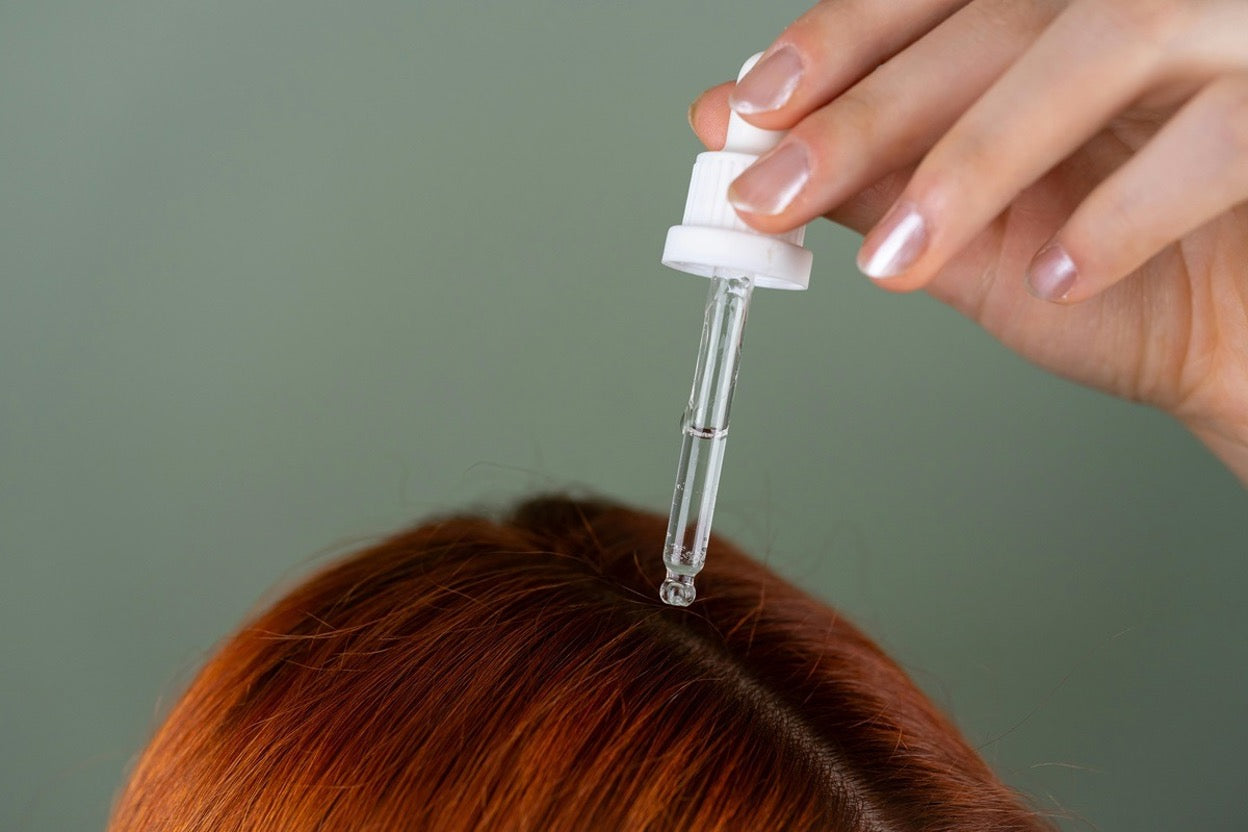
The spray is designed for daily use and takes about ten seconds to apply. Users part the hair, spray directly onto the scalp with attention to thinning areas, massage for one to two minutes, then either rinse after 30 minutes or leave it in. The formula combines caffeine, biotin, and plant extracts, ingredients chosen to support the growth cycle and help new strands grow stronger and more resilient.
Causes, Timeline, & Recovery: Summary Table
| Cause | Likely Timing of Shedding | Recovery Expectation | When to Get Care |
|---|---|---|---|
| Fever and whole-body stress | About 2–4 months after the illness | Shedding usually slows within 3–6 months; fullness returns in 6–9 months | Fever above 100.4°F, or any fever that lasts more than three days |
| Severe or prolonged respiratory illness | About 2–4 months after the illness | Similar pattern, though a longer illness may lead to more noticeable shedding | Shortness of breath, bloody mucus, or symptoms lasting more than three weeks |
| Poor sleep and low appetite | Adds to shedding in the same 2–4 month window | Improves as sleep and eating return to normal | Shedding that keeps going past six months without slowing |
| Medication timing | Usually 2–4 months after starting a new drug | Depends on the medication; ask the prescriber | Talk to the prescriber before stopping any medicine |
Easing Post-Bronchitis Shedding With Trybello Hair Helper Spray

Trybello Hair Helper Spray offers a lightweight daily scalp-care step for the thinner-looking months while hair regrows after bronchitis.
Hair loss after bronchitis usually starts 2 to 4 months after the illness, slows over the next few months, and returns to normal fullness within about 9 months. The medical side comes first, and once that’s handled, the main challenge is getting through the months when hair looks thinner.
Trybello Hair Helper Spray gives that stretch a simple daily scalp-care step, and we made it lightweight enough to use on thinning areas every day. If you want steady support while your hair grows back, add our Trybello Hair Helper Spray to your daily routine.
Frequently Asked Questions (FAQs)

Trending Topics






*Disclaimer: Individual results may vary. The information provided in this article is for educational purposes only and is not intended as medical advice. Consult a healthcare professional before starting any new hair or lash care regimen, especially if you have sensitivities or underlying health conditions. Product pricing is subject to change. For full terms, visit Trybello.com.

See our latests posts #TRYBELLO