Hair Loss After UTI: Causes, Timeline & Treatment
BY TRYBELLO
Oct 17, 2026

Key Takeaways
- A urinary tract infection (UTI) rarely harms scalp follicles directly. Shedding usually follows fever, kidney infection, illness-related stress, or medication changes during treatment.
- The most common cause is telogen effluvium. It pushes growing hairs into a resting phase during illness, so shedding often appears 2 to 3 months later.
- Shedding usually lasts three to six months. Most cases settle within six to eight months once the trigger is addressed, and fullness returns within six to nine months.
- Treatment starts with finishing the prescribed antibiotics. Hair usually recovers without medication, and shedding that lasts beyond six months or follows a pattern needs a doctor’s review.
- Trybello Hair Helper Spray supports a gentle daily scalp routine during recovery, using caffeine, biotin, and plant extracts to help new strands grow stronger.
The Delay Between a UTI & Hair Shedding
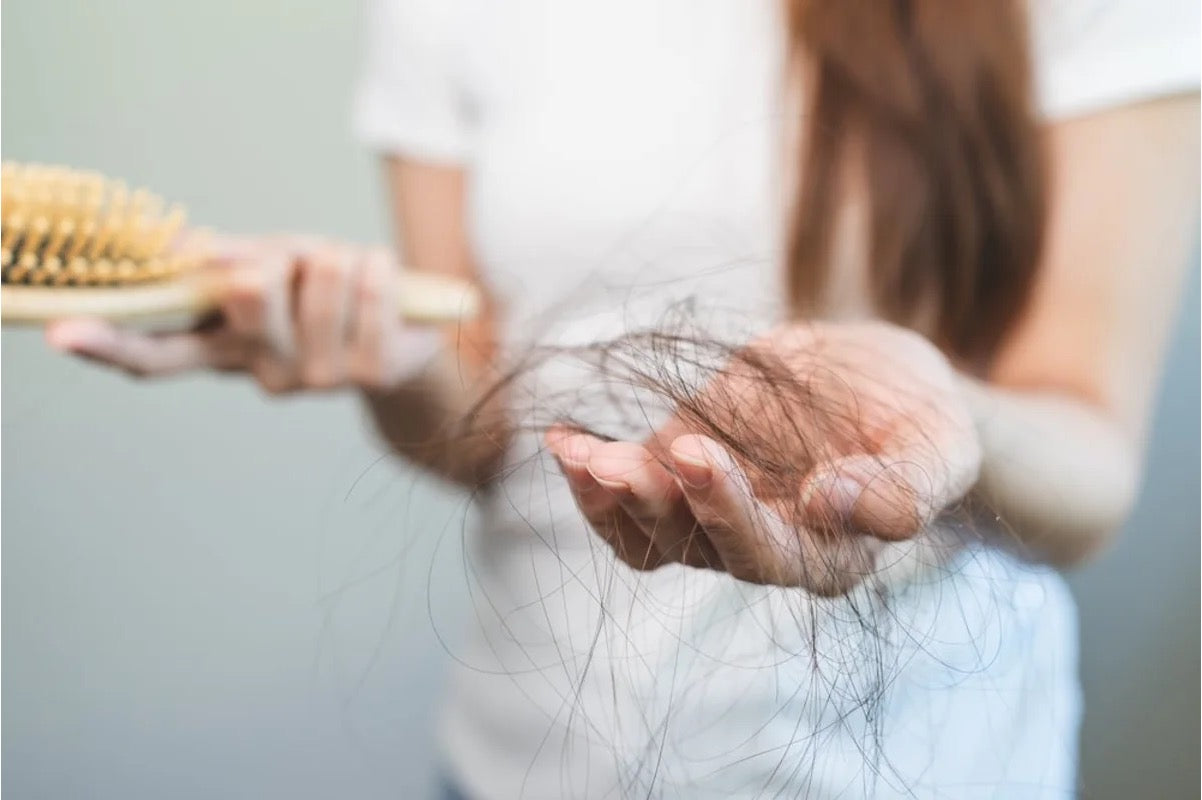
A UTI doesn't directly damage scalp follicles, but the body’s response to the illness can push many growing hairs into their resting phase at once. Those resting hairs stay attached in the follicle for 2 to 3 months before falling out together, which is why shedding appears long after urinary symptoms clear and most people never connect the two events.
That gap is also where the biggest mistake happens. Some women stop antibiotics early because they assume the medication is causing the shedding, leaving the infection untreated and prolonging the stress driving the hair loss in the first place. The sections below break down the causes of shedding and the full recovery timeline.
Trybello Hair Helper Spray supports the scalp during regrowth with biotin, caffeine, and botanical extracts once the infection has been fully treated, backed by a 120-day money-back guarantee.
"Doctor-Approved Natural Spray Rapidly Boosts Growth & Thickness. Why 88,000+ Women Are Switching to Trybello!"
Join 88,000+ women who've transformed their hair with our doctor-formulated spray, rated 4.85/5 Excellent by 60,000+ real reviewers.

Proven Natural Ingredients
- ✓ Caffeine – Energizes follicles and supports a longer, healthier growth phase
- ✓ Sophora Flavescens Extract – Revitalizes dormant follicles for improved density
- ✓ Oryza Sativa (Rice) Extract – Antioxidant-rich, protects follicles from oxidative stress
- ✓ Angelica Polymorpha Sinensis Root Extract – Boosts scalp microcirculation and nutrient delivery
- ✓ Biotin – Strengthens hair structure and supports keratin production from within


What Causes Hair Loss After a UTI?
Illness-Related Stress & Telogen Effluvium
Telogen effluvium is the medical term for what happens when a physical stressor pushes a large number of growing hairs into their resting phase at once. A severe UTI qualifies as that kind of stressor, alongside major surgery, thyroid disease, restrictive diets, and certain medications.
The more severe and prolonged the infection, the more follicles are affected, which is why a straightforward bladder infection that clears in a few days rarely triggers noticeable shedding, while a complicated or recurring UTI is more likely to.
Fever From a Kidney Infection
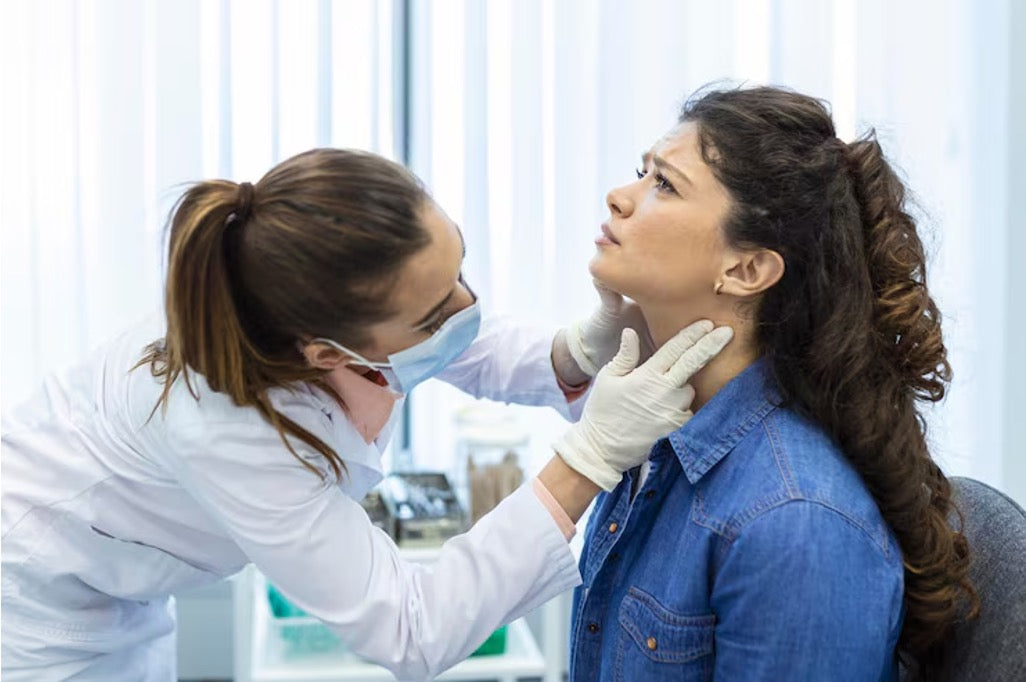
Kidney infections are less common than bladder infections, but they’re more serious and often come with fever, chills, lower back or side pain, nausea, or vomiting. A high fever is one of the clearest, best-documented triggers for telogen effluvium.
When body temperature spikes for an extended period, more hair follicles can shift into the resting phase of the growth cycle at once, leading to noticeable shedding a few months later.

Fever, chills, nausea, and lower back or side pain are the signs that separate a kidney infection from a routine bladder infection.
Antibiotic or Medication Timing
Shedding linked to a new medication, called drug-induced alopecia, tends to show up 2 to 4 months after the first dose. Antibiotics prescribed for a UTI are generally not a major cause of hair loss on their own, but starting a new medication during an already stressful illness can overlap with the same telogen effluvium window described above. This makes it hard to separate the infection’s stress from any medication effect.
If a specific drug is causing the shedding, stopping it with a clinician's approval usually resolves it within six months, though hair can take 12 to 18 months to look fully normal again. Anyone who suspects a connection between a new prescription and hair changes should raise it directly with the prescribing doctor rather than stopping medication on their own.
Low Food Intake During Recovery
Appetite loss is common during a severe UTI, especially one accompanied by nausea or fever. Several days of reduced food intake can mean fewer nutrients reach hair follicles when the body already needs extra resources to fight infection. This nutritional gap doesn't cause shedding on its own, but it can compound the effects of fever and stress.
Rehydrating and eating consistently as soon as appetite returns is one of the simplest ways to support recovery. It will not reverse shedding that has already started, since that hair is already cycling through its resting phase, but it helps ensure new growth has what it needs.
Hair Loss After UTI Timeline
Weeks 0 to 8: No Visible Shedding Yet
During the first two months after a UTI, hair usually looks normal. Telogen effluvium is a delayed reaction, so even if many follicles shifted into the resting phase during the illness, those hairs are still attached and have not started falling out yet. Nothing looks different at this stage, even though the process has already begun at the follicle level.
Months 2 to 4: Shedding Often Starts
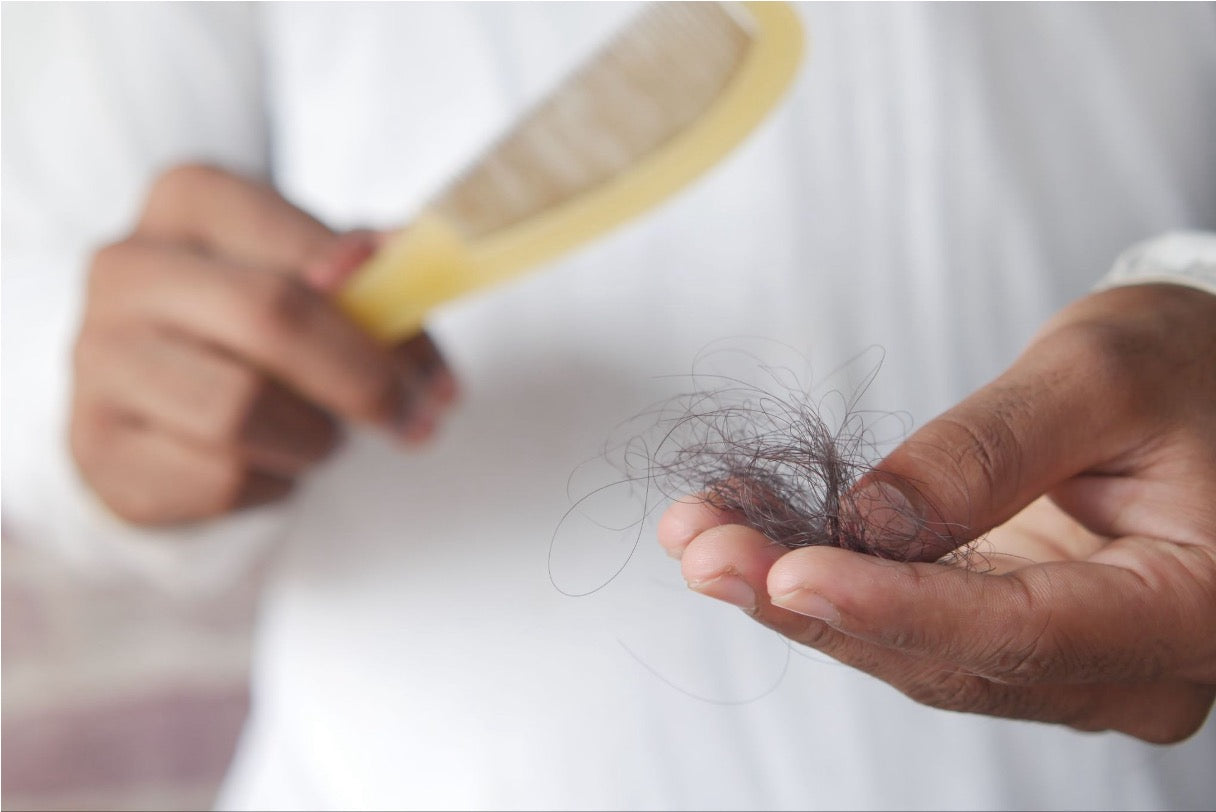
Noticeable shedding often appears during this stage, especially if the UTI involved fever, a kidney infection, or reduced food intake. You may lose more hair during washing or brushing, and the amount usually depends on how severe the illness was. Noting when the shedding started helps a doctor confirm that the timeline fits telogen effluvium and rule out other causes.
Months 3 to 6: Shedding Begins to Slow
Telogen effluvium typically runs its course over three to six months. Once the follicles that shifted into the resting phase finish shedding, new hair starts growing in to replace them, and shedding becomes less frequent than at its peak. Most cases resolve without specific treatment once you address the UTI and the stress it placed on your body.
Months 6 to 9: Fullness Gradually Returns
By six to nine months after the illness, hair tends to regain its normal fullness as the growth cycle stabilizes. New strands may look finer at first because they regrow from the root, but density improves as they mature. Shedding that continues past six months, or hair that shows no improvement by nine months, is worth raising with a doctor.

After a UTI, shedding often starts between months two and four, slows by month six, and fullness returns within nine months.
What Treatment Helps Hair Loss After a UTI?
Treat the UTI First
A healthcare professional will prescribe an antibiotic to treat a UTI, and some people with a severe UTI may need additional testing or hospital treatment.
Taking antibiotics exactly as prescribed, finishing the full course, and not saving leftover antibiotics for later reduce the chance of the infection lingering or returning, which in turn reduces ongoing stress on the body. The sooner the infection fully resolves, the sooner the body can shift focus back to normal hair growth.
Watch for Worsening Symptoms
Anyone being treated for a UTI should contact a healthcare professional if symptoms don't improve, worsen, or if new symptoms appear during treatment. Antibiotics can cause side effects ranging from mild rashes to more serious health problems, so discuss any of these with a doctor instead of managing them alone.
Catching complications early keeps the illness from dragging on longer than it needs to, which matters directly for hair recovery timelines.
Eat Well During Recovery
Rebuilding a normal eating pattern after appetite loss supports nutritional recovery. Hair follicles need a steady supply of nutrients to produce strong new strands, and illness interrupts that supply when food intake drops.
This does not need to be complicated. Returning to regular, balanced meals as soon as symptoms allow is generally enough to support the body’s normal recovery process.
Staying hydrated matters too, especially since UTIs themselves are tied to fluid intake and urinary tract health.
Keep Scalp Care Gentle
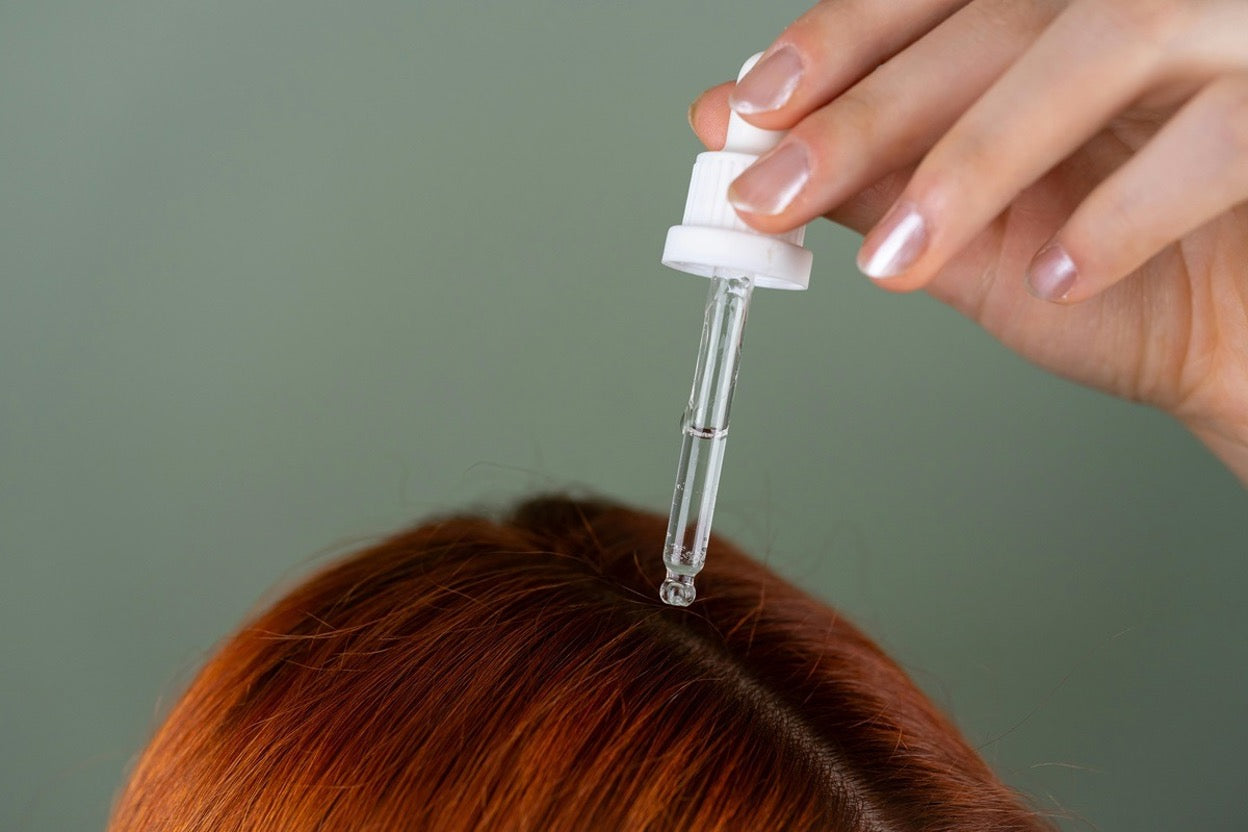
A gentle, consistent scalp routine helps your hair look fuller while the growth cycle resets. Trybello Hair Helper Spray fits into this step as a quick daily scalp spray made with caffeine, biotin, and plant extracts that support the growth cycle and help new strands grow in stronger. We leave out minoxidil, hormones, parabens, and silicones.
To apply it, part your hair, spray the scalp with a focus on thinning areas, massage it in for 30 seconds, and then let it dry for one to two minutes. The spray doesn't treat a UTI or telogen effluvium, so it works best alongside the medical steps above as your hair moves through its natural recovery.

A gentle daily scalp spray with caffeine, biotin, and plant extracts can support fuller-looking hair while the growth cycle resets after a UTI.
Supporting Hair Recovery After a UTI With Trybello
Hair loss after a UTI is usually a delayed reaction to fever, illness-related stress, or medication timing, and it tends to fade within months once the infection has been treated. The harder part is the wait, because the hair cycle needs time to reset and the thinner look can linger well after you start feeling better.
Trybello Hair Helper Spray supports that waiting period with a quick spray-and-massage step each day as new strands grow back. We designed it to be light and non-greasy, so it fits easily into your recovery routine. Support your scalp with Trybello Hair Helper Spray and watch your hair regain its fullness.
Frequently Asked Questions (FAQs)

Trending Topics




*Disclaimer: Individual results may vary. The information provided in this article is for educational purposes only and is not intended as medical advice. Consult a healthcare professional before starting any new hair or lash care regimen, especially if you have sensitivities or underlying health conditions. Product pricing is subject to change. For full terms, visit Trybello.com.

See our latests posts #TRYBELLO