Hair Breakage After Straightening: Causes, Treatment & Prevention
BY TRYBELLO
Oct 13, 2026

Key Takeaways
- Hair breakage after straightening comes from repeated flat iron heat, chemical relaxers, overlapping chemical services, and rough handling like towel-rubbing, aggressive brushing, or tight hairstyles.
- Heat damage builds up over several styling sessions, so breakage often seems sudden even when the hair was already weakened by coloring, past relaxers, or dryness.
- Treatment starts with pausing heat and chemical services, conditioning after every shampoo, and using a leave-in conditioner that is clearly labeled as a heat protectant.
- Prevention means using the lowest effective iron temperature on dry hair, spacing relaxer touch-ups two to three months apart on new growth only, and detangling to suit your texture.
- Trybello Hair Helper Spray supports the scalp with biotin, caffeine, and botanical extracts, works alongside straightening routines, and comes with a 120-day money-back guarantee.
How Straightening Weakens the Hair Strand
Each hair strand is built from keratin proteins held together by hydrogen bonds that break and reform when wet, and disulfide bonds that give the strand its permanent shape. A flat iron uses heat to temporarily break hydrogen bonds and straighten the strand. At safe temperatures, the process reverses once hair gets wet again.
At excessive temperatures, or after enough repeated passes, the heat starts breaking disulfide bonds too, and those do not reform on their own. The strand loses internal structure and eventually snaps under tension it once handled easily.
Trybello Hair Helper Spray supports follicle growth while damaged lengths recover, delivering biotin, caffeine, and botanical extracts to the scalp in a lightweight formula that fits alongside any straightening routine.
"Doctor-Approved Natural Spray Rapidly Boosts Growth & Thickness. Why 88,000+ Women Are Switching to Trybello!"
Join 88,000+ women who've transformed their hair with our doctor-formulated spray, rated 4.85/5 Excellent by 60,000+ real reviewers.

Proven Natural Ingredients
- ✓ Caffeine – Energizes follicles and supports a longer, healthier growth phase
- ✓ Sophora Flavescens Extract – Revitalizes dormant follicles for improved density
- ✓ Oryza Sativa (Rice) Extract – Antioxidant-rich, protects follicles from oxidative stress
- ✓ Angelica Polymorpha Sinensis Root Extract – Boosts scalp microcirculation and nutrient delivery
- ✓ Biotin – Strengthens hair structure and supports keratin production from within


Causes of Hair Breakage After Straightening
Excessive Heat Treatments
Repeated heat styling adds up like sun exposure on skin, so hair already weakened by coloring, past relaxers, or dryness takes on extra stress every time a flat iron passes over it. That compounding effect is often why hair breakage seems to appear suddenly, even though the real cause built up over several styling sessions.
Running a flat iron over damp strands accelerates the problem because the water inside the shaft flash-heats into steam and expands outward, rupturing the strand from the inside.
Chemical Relaxers

Chemical straightening changes the structure of your hair, which may result in dryness, weakening, split ends, reduced resistance to breakage, and in some cases scalp irritation.
Chemical straightening physically changes the hair shaft's structure rather than temporarily reshaping it the way heat does. Some smoothing treatments combine these chemicals with high heat, stacking two damaging processes into a single session.
Some formulas also release formaldehyde when heated, adding inhalation and skin-irritation risks on top of breakage, which is separate from strand damage but worth flagging to a stylist before any treatment begins.
Using Multiple Chemical Treatments at Once
Applying relaxer to hair that has already been relaxed is one of the clearest paths to breakage, so apply touch-ups only to new growth. We recommend spacing applications every two to three months, giving the scalp and shaft time to recover between treatments.
Doubling up on chemical services further compounds the risk. If you plan both a relaxer or perm and a coloring service, apply the relaxer or perm first, then wait two weeks before adding color instead of scheduling them back to back.
Rough Brushing, Towel-Drying, & Tight Hairstyles
Hair already weakened from straightening breaks more easily under handling that healthy strands would shrug off. Aggressive brushing, rubbing hair dry with a towel instead of blotting, or pulling a brush or comb through tangles instead of working from the ends up can cause hair breakage.
Other practices that can lead to hair breakage include brushing immediately after applying a strong-hold styling product, detangling wet hair when it is not tightly curled or textured, or using tight ponytails, braids, cornrows, and extensions that create constant pulling tension.
How to Treat Hair Breakage After Straightening
Use Trybello Hair Helper Spray

Trybello Hair Helper Spray contains natural ingredients formulated to strengthen your hair.
Trybello Hair Helper Spray is formulated as a scalp treatment, supporting follicle health while you separately address the mechanical causes of breakage.
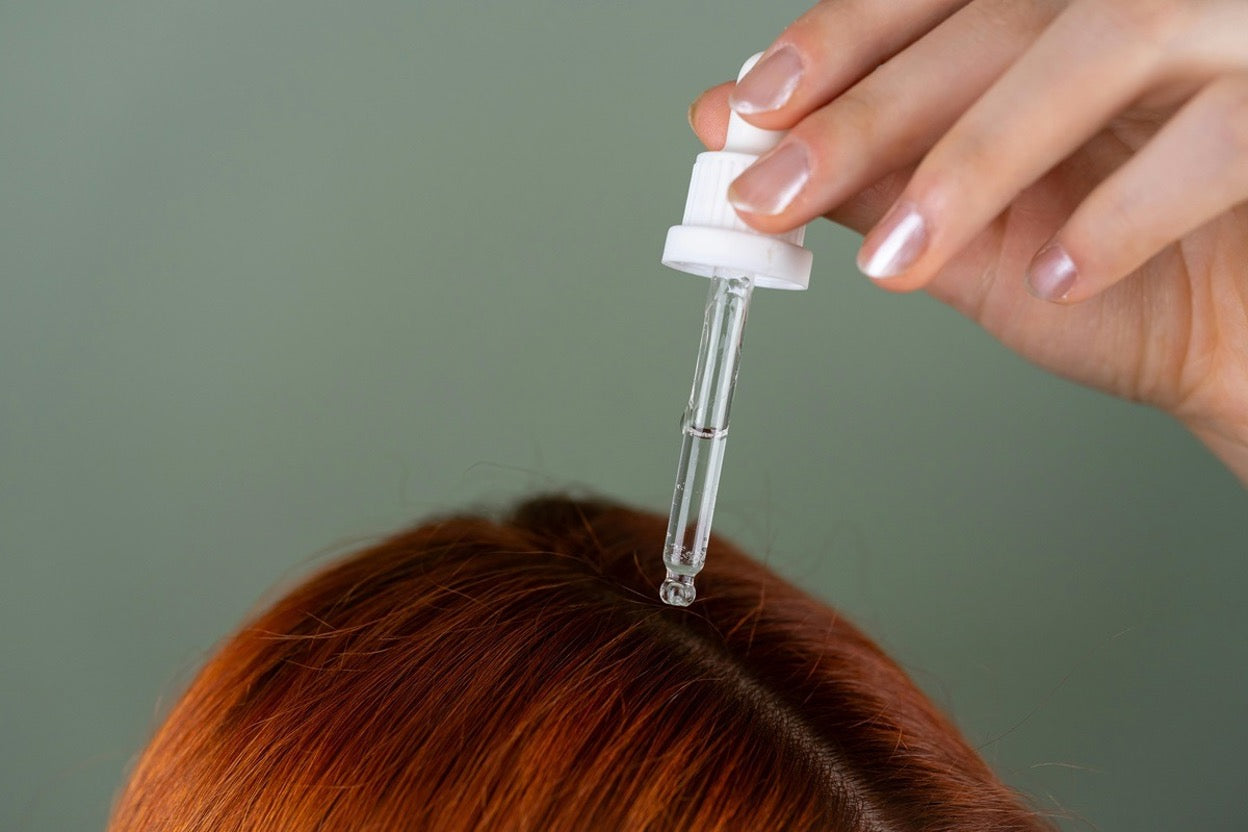
The spray contains biotin, caffeine, rice-derived ingredients, and botanical extracts like Sophora flavescens and Angelica, and you apply it nightly to a dry or slightly damp scalp. It will not mend a split end or reverse a weakened shaft, but many users report less shedding after several weeks of consistent use, which matters when breakage and thinning are both contributing to visibly thinner hair.
Stop Adding Heat & Chemicals Right Away
One of the most effective treatment steps is to stop straightening damaged hair. Reaching for a flat iron to smooth rough or uneven ends adds more stress to already compromised hair, and air-drying with low-tension styles lets strands stabilize before further processing.
Condition After Every Shampoo
Condition every time you shampoo because cleansing alone strips moisture that damaged hair cannot easily replace on its own. This single habit does more to reduce ongoing friction and breakage than most specialty treatments marketed for the same purpose.
Choose a Leave-In Conditioner With Heat Protection
Leave-in conditioners can reduce frizz, ease detangling, and lower brushing-related breakage, but not every leave-in product shields hair from heat. Choose conditioners that clearly contain heat protectants, and don’t assume a moisturizing spray works as a thermal shield unless the manufacturer states that clearly.
How Can You Prevent Breakage Before & After Straightening?
Pick the Lowest Effective Heat Setting for Your Hair Type
No single safe temperature works for every head of hair. Fine or previously processed hair needs a lower setting than thick, virgin hair, which tolerates higher heat, so use the lowest effective temperature rather than a specific number.
Space Out Relaxer Touch-Ups to Protect New Growth
Apply relaxer touch-ups every two to three months, and only on new growth. When perming, relax or perm first, then wait two weeks before coloring. Before any appointment, ask what product they'll use and whether it releases formaldehyde when heated, since not every smoothing treatment has the same ingredients or safety profile.
Detangle According to Your Hair Texture
Wet hair generally breaks more easily than dry hair, but tightly curled or textured hair is usually easier to detangle while wet. Match your detangling approach to your specific texture instead of following a one-size-fits-all rule, and always work from the ends upward instead of pulling a brush straight through a tangle.
Avoid Tension Styles That Pull on Weak Strands
Tight ponytails, braids, cornrows, and extensions add pulling force on top of whatever damage straightening has already caused. Loosening these styles, or spacing them out between straightening sessions, removes another source of strain on hair already working hard to recover.
Support Stronger Hair After Straightening with Trybello Hair Helper Spray

Trybello Hair Helper Spray contains botanical research-backed ingredients that support healthy hair growth.
Breakage after straightening rarely comes from one bad session. It builds from heat, chemicals, and daily handling acting on already fragile hair, so recovery works the same way in reverse: less heat, spaced-out chemical services, steady conditioning, and gentler detangling and styling choices.
At Trybello, we created Trybello Hair Helper Spray to support the scalp while your lengths recover. It delivers biotin, caffeine, and botanical extracts to your hair follicles and fits easily into any routine, including colored, permed, and relaxed hair. Try Trybello Hair Helper Spray and start building stronger, thicker-looking hair.
Frequently Asked Questions (FAQs)

Trending Topics

*Disclaimer: Individual results may vary. The information provided in this article is for educational purposes only and is not intended as medical advice. Consult a healthcare professional before starting any new hair or lash care regimen, especially if you have sensitivities or underlying health conditions. Product pricing is subject to change. For full terms, visit Trybello.com.

See our latests posts #TRYBELLO