Hair Loss After Tonsillectomy: Causes & Recovery Timeline
BY TRYBELLO
Oct 15, 2026

Key Takeaways
- Tonsillectomy leaves scalp follicles untouched, yet surgery stress, fever, and new medication can all trigger telogen effluvium, a temporary shedding condition, and several days of low food and fluid intake can add to that stress.
- Shedding usually becomes visible two to four months after surgery, long after the throat has healed, which is why many people miss the connection.
- Telogen effluvium usually lasts three to six months, and hair tends to regain its normal fullness within six to nine months as the body readjusts.
- Bleeding, severe pain that medication does not control, signs of dehydration, or a fever above 101°F that medication does not lower all need prompt care from a healthcare provider.
- Trybello Hair Helper Spray adds a 10-second daily scalp-care step with caffeine and biotin to help new strands grow stronger during the regrowth months.
How Tonsillectomy Affects Hair Follicles
Hair sheds after tonsillectomy because the body treats surgery, fever, and reduced food or fluid intake as a physical shock, not because the procedure itself damages scalp follicles. Most people connect the wrong event to their shedding, blaming a supplement or medication they started recently, when the actual trigger is often the operation and everything that came with it.
Clearing that mix-up matters because chasing the wrong cause wastes months while the real shedding phase simply runs its course on its own schedule. Getting the surgery date and the shedding date confused can also make a normal, temporary shed look like it's getting worse instead of resolving.
Below, we cover the exact window to watch for, what helps hair look fuller once medical causes have been ruled out, and where Trybello Hair Helper Spray fits into a daily scalp-care routine during recovery.
"Doctor-Approved Natural Spray Rapidly Boosts Growth & Thickness. Why 88,000+ Women Are Switching to Trybello!"
Join 88,000+ women who've transformed their hair with our doctor-formulated spray, rated 4.85/5 Excellent by 60,000+ real reviewers.

Proven Natural Ingredients
- ✓ Caffeine – Energizes follicles and supports a longer, healthier growth phase
- ✓ Sophora Flavescens Extract – Revitalizes dormant follicles for improved density
- ✓ Oryza Sativa (Rice) Extract – Antioxidant-rich, protects follicles from oxidative stress
- ✓ Angelica Polymorpha Sinensis Root Extract – Boosts scalp microcirculation and nutrient delivery
- ✓ Biotin – Strengthens hair structure and supports keratin production from within


What are the Main Causes of Hair Loss After Tonsillectomy?
Surgery Stress on the Body
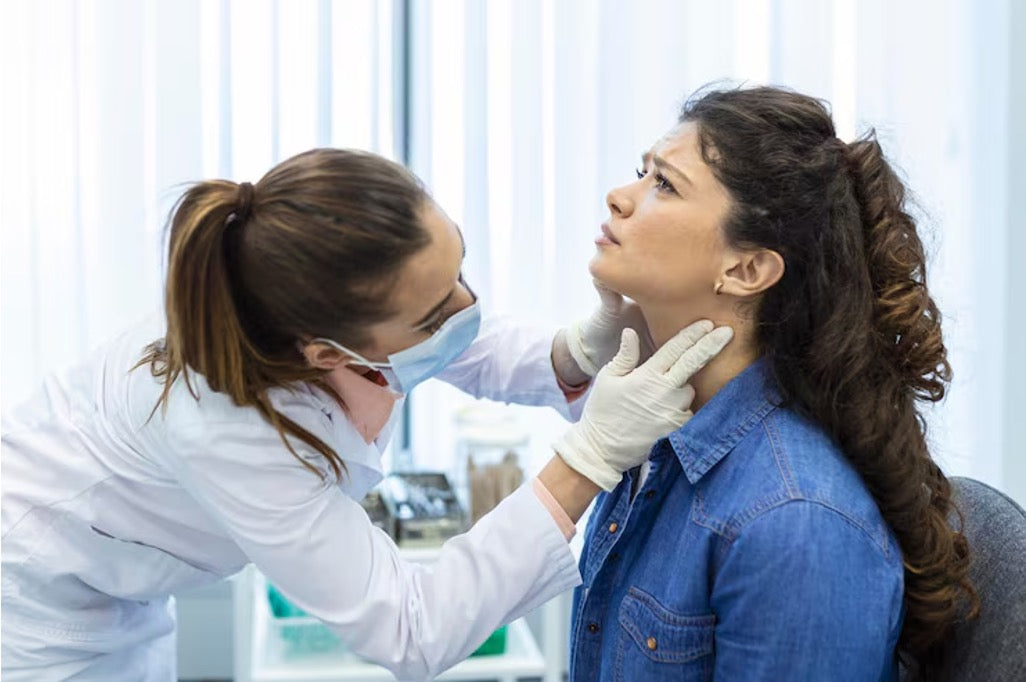
Any major surgery, tonsillectomy included, puts the body through a form of physical trauma. Major surgery is one of the recognized triggers of telogen effluvium, because the stress can push a large share of growing hairs into their resting phase at the same time.
This reaction is systemic, not local to the throat, which is why people are sometimes surprised that a tonsil surgery shows up as scalp shedding. The trigger event usually happened about three months before the shedding became visible, so the surgery date, not the day hair started falling, is what matters for tracking the cause.
Fever, Infection, or Complications
Fever and infection are separately listed as triggers for telogen effluvium, and tonsillectomy recovery can include both.
A low-grade fever is common in the first day or two after surgery, and scabbing at the surgical site between days five and ten can occasionally lead to bleeding or infection if it isn’t healing properly. Any of these added stressors on top of the surgery itself can compound the shedding trigger.

Tonsillectomy stresses the whole body, and fever or infection during recovery can compound the trigger that pushes growing hairs into rest.
Low Food Intake & Dehydration During Recovery
Eating and drinking are painful for most people in the days following a tonsillectomy, and it’s common to eat far less than usual while the throat heals. A sore throat that worsens around day three or four often makes this worse, right at the point when the body needs steady nutrition to support recovery.
Restrictive diets are among the known triggers for telogen effluvium, and while a week or two of eating less after a tonsillectomy is not the same as a deliberate restrictive diet, it can add to the overall stress the body is under.
Dehydration adds another layer of stress on top of this. Signs like persistent thirst or dry mouth, especially alongside vomiting, are reasons caregivers are told to intervene, and dehydration can also make the scabs fall off too early, which raises the risk of bleeding.
Medication Timing
Some medications used around the time of surgery have been linked to telogen effluvium in general, and medication-related shedding usually becomes evident two to four months after a person starts taking the drug. Because tonsillectomy recovery often involves new pain medication started at the same time as the surgery itself, it can be genuinely hard to tell which one triggered the shedding.
This overlap is exactly why timing confuses people. A medication started right before or after surgery and the surgery stress itself can land in the same three-to-four-month window, so the safer move is to discuss any suspected medication link with the prescribing doctor instead of stopping a medication without guidance.

New pain medication started around tonsillectomy can trigger shedding two to four months later, so discuss any suspected link with your doctor.
Hair Loss Recovery Timeline After Tonsillectomy
First 0 to 8 Weeks After Surgery
Hair usually looks normal during this window, even if the surgery itself was stressful on the body. Telogen effluvium has a built-in delay, so follicles pushed into their resting phase around the time of surgery won’t release the hair strand for several more weeks. This is the stage where most people aren’t thinking about hair at all, since the focus is on throat pain, fatigue, and getting back to normal eating.
Months 2 to 4: Shedding May Start
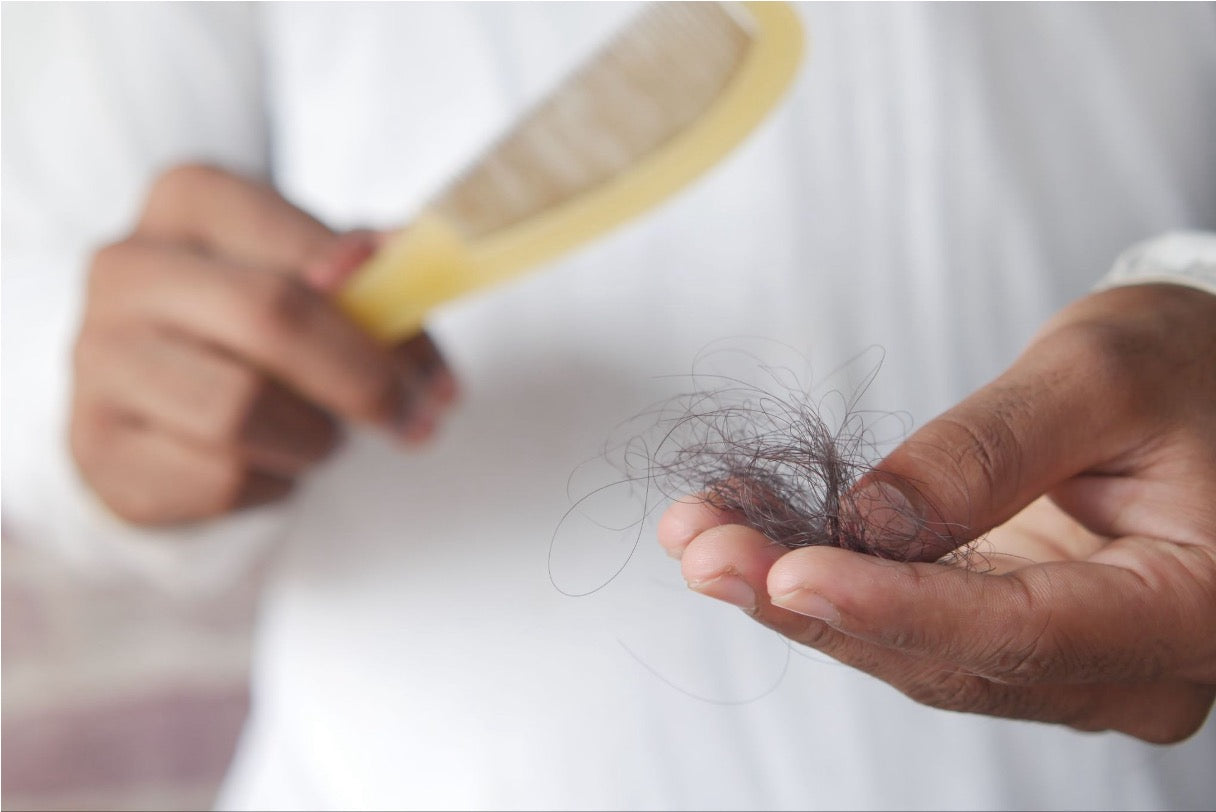
This is the window where noticeable shedding tends to appear if surgery involved real physical stress, fever, dehydration, poor sleep, or a new medication. Hair may come out in the shower, on the pillow, or in a brush in larger amounts than usual. Medication-related shedding specifically tends to become evident within this same two-to-four-month range, which is part of why the surgery and a medication started around the same time are so easy to mix up.
Months 3 to 6: Shedding Usually Slows
Telogen effluvium typically runs its course over three to six months total. Once the body has stabilized, meaning fever is gone, eating and hydration are back to normal, and the stress of surgery has passed, the extra shedding gradually tapers off. Once the cause has been addressed, most cases resolve on their own within six to nine months, without any specific treatment needed.
Months 6 to 9: Fullness Often Returns
By the six-to-nine month mark, hair tends to regain its normal fullness as the body readjusts and follicles return to their regular growth cycle. New growth often appears first as short strands that take months to blend with the rest of your hair. Patience matters here, since hair grows about half an inch a month, so regrowth is gradual, not sudden.
Hair Loss After Tonsillectomy: Summary Table
| Cause | When Shedding May Show | Recovery Expectation | When to Get Care |
|---|---|---|---|
| Surgery stress | About 2–4 months after surgery | Shedding lasts 3–6 months; fullness often returns within 6–9 months | Shedding past 6 months, or patchy bald spots |
| Fever, infection, or complications | About 2–4 months after the illness | Shedding lasts 3–6 months, even though the fever or infection cleared earlier | Fever above 101°F that medication does not lower, or any bleeding |
| Low intake and dehydration | About 2–4 months after the recovery period | Shedding lasts 3–6 months once eating and drinking are back to normal | Thirst, dryness, or vomiting during recovery |
| Medication timing | About 2–4 months after starting the drug | Can take up to 6 months to settle after the drug is stopped or changed under your doctor’s guidance | Before changing or stopping any prescribed medicine |
Ease Post-Surgery Shedding With Trybello Hair Helper Spray

Trybello Hair Helper Spray adds a 10-second daily scalp step with caffeine, biotin, and plant extracts while hair regrows after tonsillectomy.
Hair loss after a tonsillectomy can feel alarming because it shows up months after the throat has healed, yet it usually follows a clear and temporary pattern. Surgery stress, fever, low intake, or new medication can trigger the shed, and most people see their hair return to normal fullness within six to nine months as the body settles.
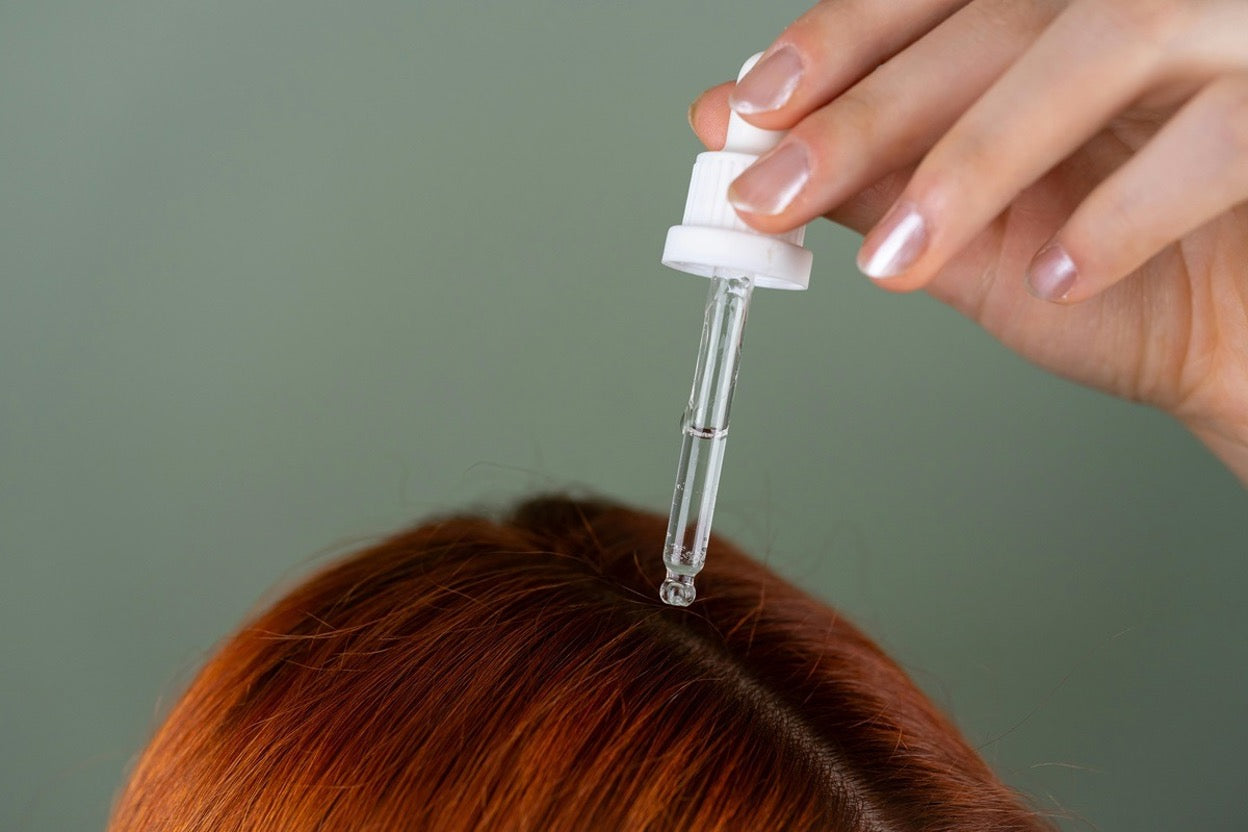
During those regrowth months, a consistent scalp routine helps most, and Trybello Hair Helper Spray fits into that routine in about 10 seconds a day. We formulated it with caffeine, biotin, and plant extracts that help new strands grow stronger while your hair fills back in. Once your doctor has confirmed the cause, you can add Trybello Hair Helper Spray to your daily scalp routine and give your scalp steady support through recovery.
Frequently Asked Questions (FAQs)

Trending Topics







*Disclaimer: Individual results may vary. The information provided in this article is for educational purposes only and is not intended as medical advice. Consult a healthcare professional before starting any new hair or lash care regimen, especially if you have sensitivities or underlying health conditions. Product pricing is subject to change. For full terms, visit Trybello.com.

See our latests posts #TRYBELLO