Cold Weather Hair Breakage: Causes & Prevention Tips
BY TRYBELLO
Nov 09, 2026

Key Takeaways
- Cold weather hair breakage comes from dry air, friction, and damaging habits stacking on the same strands, not low temperatures alone.
- Base your winter washing schedule on oiliness, sweat, product buildup, and scalp comfort, because a greasy scalp still needs regular cleansing even when it’s cold.
- Condition after every wash, detangle from the ends up, and lower heat tool temperatures to cut winter breakage.
- Smooth hat linings, loose protective styles, and gentle towel-drying with a soft cloth or T-shirt keep strands intact through the coldest months.
- Trybello’s Hair Growth Shampoo & Conditioner Set pairs a sulfate-free aloe vera cleanse with shea butter and urucum extract to protect dry winter strands, backed by a 120-day guarantee.
What Does Winter Hair Breakage Look Like?
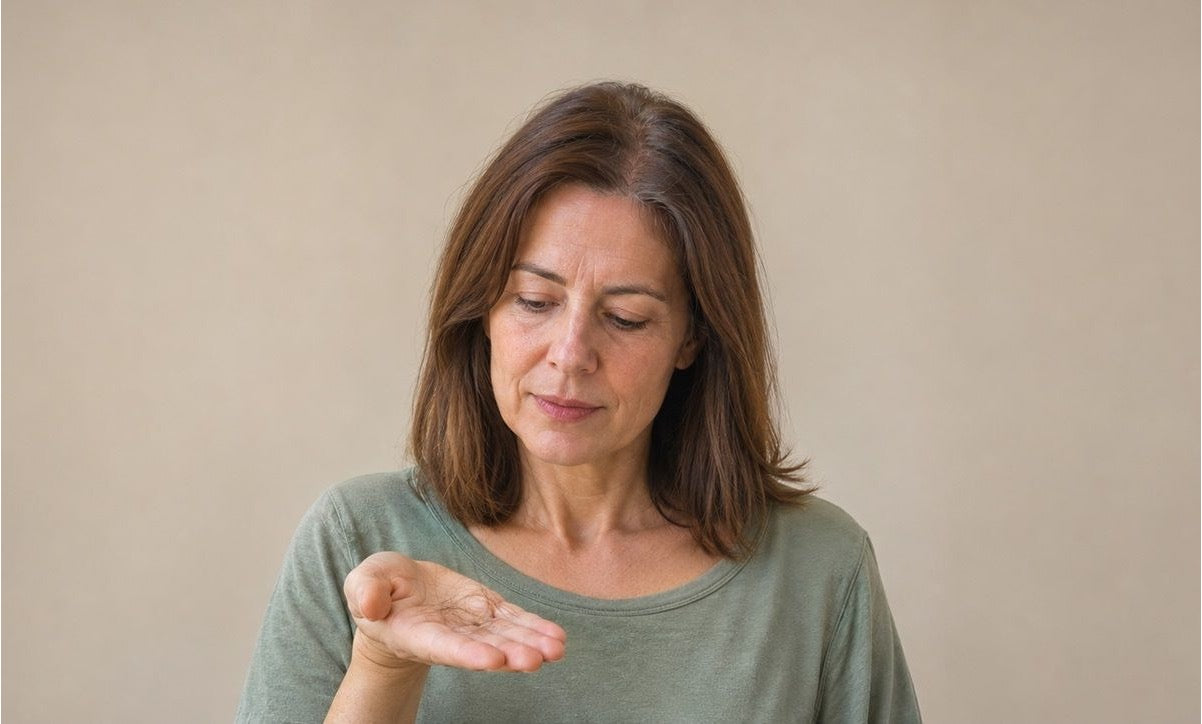
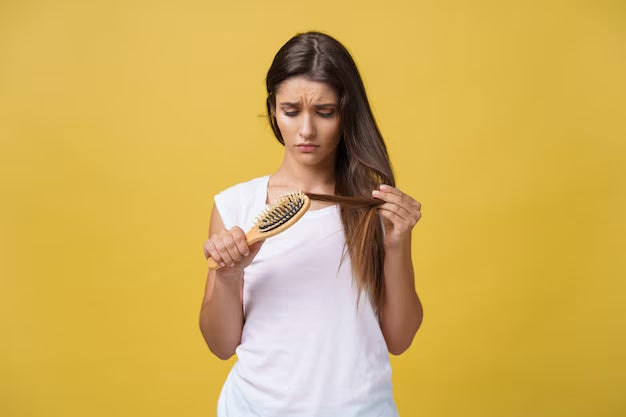
Winter hair breakage looks like a strand snapping somewhere along its length, not a hair falling out cleanly with its root intact. You'll usually notice it as frizz that won't smooth down, uneven lengths, or short fractured pieces scattered through otherwise long hair. Split ends are another telltale sign, and they tend to multiply fast once dry winter air and rough handling team up.
Confusing breakage with normal shedding is a common mistake, and it leads people toward the wrong fix. Shed hair comes out with a small club-shaped bulb at the end because it's leaving the follicle on schedule; broken hair has no bulb because the shaft itself has fractured. Treating breakage like shedding means reaching for supplements when what hair actually needs is gentler handling and better conditioning.
Trybello's Hair Growth Shampoo & Strengthening Conditioner Set is built around this exact distinction, pairing glycerin and panthenol in the shampoo with shea butter and urucum extract in the conditioner to soften strands before they ever meet a comb. That combination matters most in winter, when dry indoor heat and constant friction from scarves and hats give brittle hair more chances to snap.
"Sulfate-Free Hair Growth Duo Delivers Thicker, Fuller Hair Without Harsh Chemicals. Women Rate This Clean Formula 4.8/5 Stars!"
Transform your routine with plant-based shampoo and conditioner that deeply cleanse, nourish, and stimulate growth while protecting the scalp's natural oils, rated 4.8/5 by 40,000+ real customers.

Growth-Boosting Ingredients
- ✓ Aloe Vera & Turmeric – Cleanses and promotes root growth without stripping oils
- ✓ Urcuum Extract – Creates protective barrier against UV damage
- ✓ Camellia Japonica & Shea Butter – Soothes inflammation, deeply hydrates
Clean Beauty Benefits
- ✓ Sulfate-free, vegan, and cruelty-free
- ✓ Plant-based actives with no harsh chemicals
- ✓ Made by USA-based startup

Causes of Hair Breakage During Cold Weather
Dry Indoor Heat & Cold Outdoor Air
Stepping between freezing outdoor air and blasting indoor heat strips moisture from hair fast. That dryness makes hair harder to manage, and dry, unmanageable hair usually needs more brushing, pulling, and combing just to look presentable. Each of those extra passes through the hair is another opportunity for a fragile strand to snap.
Friction from Scarves, Hats & Coats
Loose hair trapped between a scarf and a coat collar, or rubbing against a rough hat lining all day, takes a steady beating. That constant rubbing tangles the strands, and tangled hair under friction breaks more easily than hair that's been kept smooth and contained.
Wind Tangles That Turn into Damage
Most wind damage isn’t direct: wind mainly disturbs loose strands and knots them together. The real damage happens afterward, when those wind-made tangles get pulled apart aggressively instead of worked out patiently. That aggressive pulling is what turns a simple tangle into broken, fractured strands.
Overuse of Heat Styling Tools
Blow-dryers, straighteners, hot combs, and curling irons can damage hair in any season, but winter raises the stakes. Hair is already drier and more fragile from the cold, so the same heat-styling routine that was tolerable in summer can do more damage now.

Keeping a blow-dryer moving and several inches away spreads the heat out instead of concentrating it on one section of hair.
Chemical Treatments Combined with Dry Conditions
Bleaching, permanent color, relaxing, and perming all weaken the hair shaft on their own. When that chemically processed hair also faces dry winter air, friction from accessories, and regular heat styling, several sources of damage stack up at once.
Tight Ponytails, Braids & Heavy Extensions
Pulling hair into a tight ponytail or braid, or adding heavy extensions, places ongoing tension on the strands and the hairline. Over time, that tension contributes to traction-related hair loss, and it leaves strands under constant stress even before winter dryness enters the picture. Hairstyles that pull tightly at the roots are rarely worth the damage they cause, no matter how convenient they are on a rushed morning.
How Can You Prevent Cold Weather Hair Breakage?
Adjust Your Washing Routine
Washing less often just because it's cold isn't automatically the right move. An oily scalp can still need frequent cleansing in winter, while dry or tightly coiled hair may do better with longer gaps between washes. Base the schedule on oiliness, sweat, product buildup, and scalp comfort rather than the season on the calendar.
Keep Hair Properly Moisturized
Conditioner does more than soften hair; it coats each strand to reduce breakage and split ends. Fine or straight hair usually only needs conditioner concentrated on the ends, but dry, curly, or coily hair benefits from coating the full length. If rinse-out conditioner alone doesn't leave hair manageable, a leave-in conditioner or detangler can fill that gap.
Pick the texture based on your hair type instead of assuming heavier is always better. Fine hair usually does well with something lightweight, while dry curls or coils often need a richer formula to stay smooth through the day.
Detangle Hair Without Snapping Strands
Starting at the ends and working upward slowly prevents the kind of forceful pulling that snaps fragile strands. Straight hair generally detangles best once it's partially dry, while curly or tightly coiled hair usually responds better to detangling while still damp and conditioned.

A knot that gets yanked apart in ten seconds can do more damage than one that's worked loose patiently over a minute.
Towel-Dry Without Causing Friction
Rubbing a towel back and forth over wet hair roughs up the cuticle and increases tangling. Wrapping hair gently in a soft towel or T-shirt, or blotting it instead of scrubbing, keeps that friction to a minimum while still removing excess water.
Turn Down the Heat
Heat tools aren't the enemy on their own, but repeated high-temperature use on hair that's already dry from winter air adds up fast. A heat-protection product reduces some of that stress, but it doesn't cancel out the damage from using a flat iron at full heat every single day.
Lowering the setting by even one or two levels, and reserving the highest heat for special occasions instead of daily use, meaningfully reduces how much thermal stress hair takes over a winter season. Air-drying on weekends or lower-key days gives hair a real break from thermal stress.
Make Winter Accessories Gentler on Hair
A hat with a smooth lining, or a silk scarf placed between hair and a rough wool hat, cuts down on the friction that causes tangling throughout the day. Longer hair should be kept loosely contained so it doesn't repeatedly rub against a scarf or coat collar every time you turn your head.
Removing hats and scarves carefully matters just as much as how they're worn. If a strand has caught on a seam or fastening, work it free gently instead of pulling the accessory straight through the tangle.
Wear a Protective Hairstyle
Loose braids, twists, or softly secured updos reduce how often hair gets handled during the day, which lowers the overall opportunity for breakage. These styles only work as protection when they're genuinely low-tension, not pulling at the hairline or relying on heavy extensions for hold.
Cleansing and conditioning still need to continue even while wearing a longer-lasting style. Skipping wash day for weeks at a time just because hair is braided can lead to buildup and dryness underneath.
When Winter Hair Damage Means More Than Dryness
Gentler washing, conditioning, and styling usually start to show over the following weeks. If breakage continues after those changes, look at the bigger picture. Thinning that keeps progressing, bald patches, a sore or itchy scalp, and visible scaling all point to something beyond seasonal dryness.
Thyroid problems, nutritional gaps, and scalp conditions can look a lot like winter damage at first. In those cases, a dermatologist can find the cause and the right next step.
Prevent Cold Weather Hair Breakage with Trybello

Trybello Hair Growth Conditioner is formulated for all hair types to soften strands, add shine, and reduce breakage.
Cold weather breakage comes from dry air, friction, heat, and tension wearing on strands at the same time. Careful detangling, low-heat styling, and protective styles all ease that strain. The steadiest protection starts on wash day, with a cleanse that keeps natural oils in place and a conditioner that restores moisture.
We made the Trybello Hair Growth Shampoo and Conditioner as a pair for cold-weather wash days. Shea butter and urucum extract in the conditioner seal moisture into dry strands and add an antioxidant layer that helps brittle hair resist snapping. Try the Trybello Hair Growth Shampoo & Conditioner Set with our complete 120-day growth guarantee.
Frequently Asked Questions (FAQs)

Trending Topics




*Disclaimer: Individual results may vary. The information provided in this article is for educational purposes only and is not intended as medical advice. Consult a healthcare professional before starting any new hair or lash care regimen, especially if you have sensitivities or underlying health conditions. Product pricing is subject to change. For full terms, visit Trybello.com.

See our latests posts #TRYBELLO