Female Pattern Hair Loss in Your 30s: Causes, Signs & Treatment Options
BY TRYBELLO
Nov 11, 2026

Key Takeaways
- Female pattern hair loss can begin in your 30s as an inherited tendency becomes visible, widening the center part and thinning the crown while the frontal hairline stays intact.
- Genetics drive most cases, while thyroid dysfunction, low iron stores, and hormonal conditions like polycystic ovary syndrome can worsen thinning or make it more noticeable.
- Early signs include a widening part, a “Christmas tree” pattern toward the forehead, a thinner ponytail, and more visible scalp at the crown, usually without scalp pain or inflammation.
- Treatment options include topical minoxidil, low-level laser therapy, platelet-rich plasma (PRP) injections, microneedling, and hair transplantation, with the right combination depending on severity and personal circumstances.
- Trybello Hair Helper Spray Plus combines Capixyl, biotin, and caffeine in a daily leave-in scalp spray that helps strengthen and thicken thinning hair, backed by a 120-Day Growth Guarantee.
How Pattern Thinning Differs From Everyday Shedding
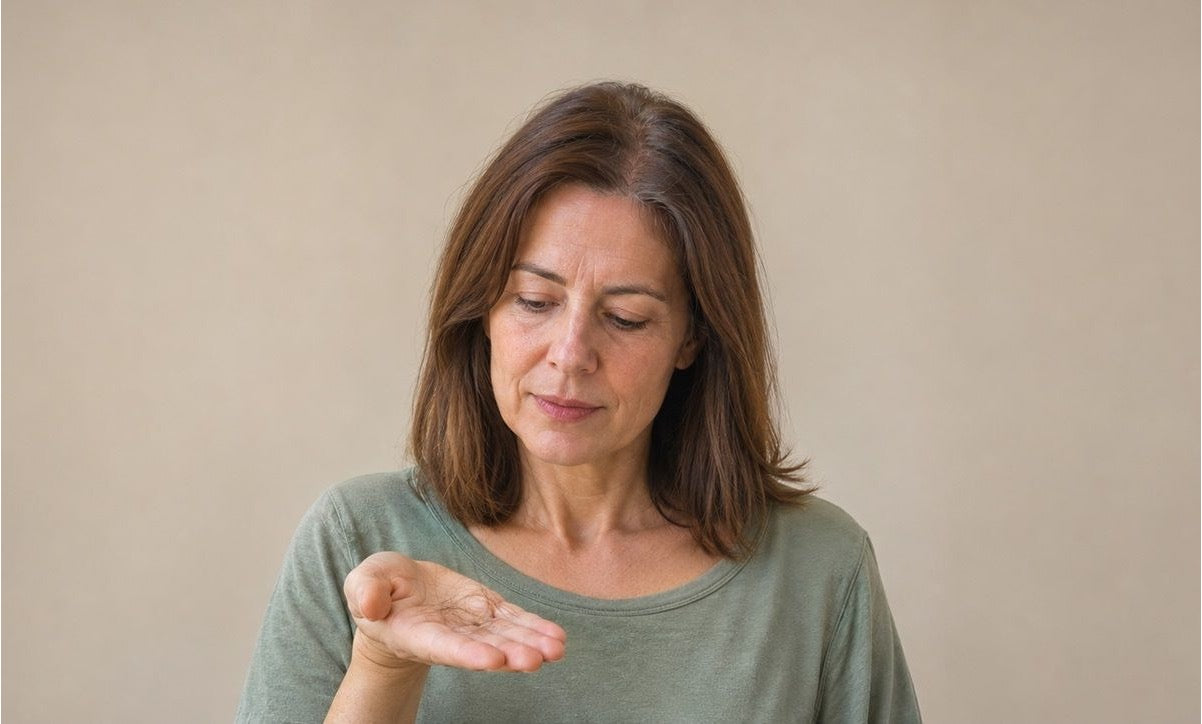
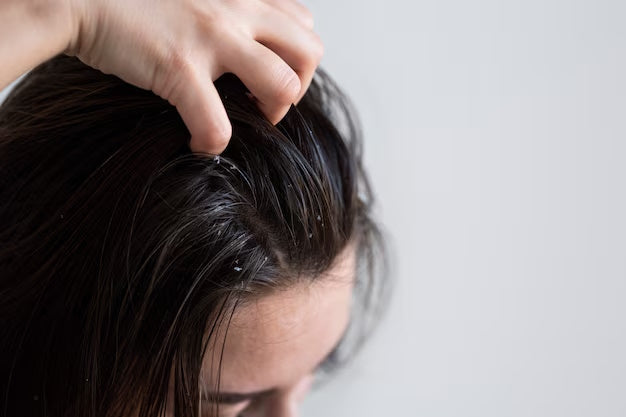
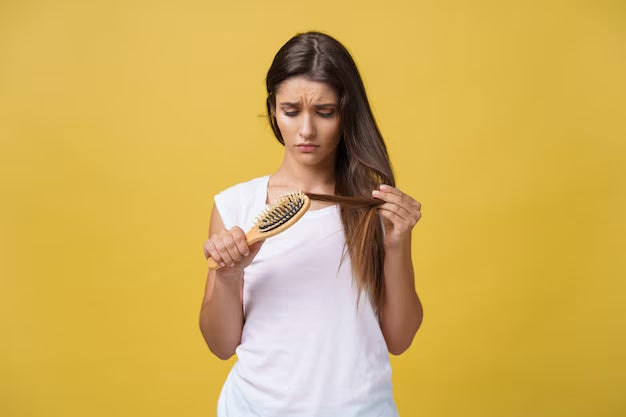
Female pattern hair loss in your 30s is a gradual shrinking of hair follicles that thins hair around the part and crown, and it is often mistaken for everyday shedding. Normal shedding is spread evenly across the scalp and refills as new strands grow in. Pattern thinning stays concentrated in the same areas and tends to progress without steady care.
The two can also overlap. A stressful year or a recent pregnancy can trigger temporary shedding that hides an early pattern underneath, so thinning at the part that persists for several months deserves a closer look.
Trybello Hair Helper Spray Plus gives women a simple daily step for this early stage, supporting fuller-looking hair at the part and crown while the changes are still subtle.
"Enhanced with Capixyl™ for Faster Results! Why Smart Women Are Upgrading to Trybello Hair Helper Spray Plus!"
Experience accelerated hair transformation with our enhanced formula featuring scientifically proven Capixyl™. See visible growth in as fast as 4 weeks.

Advanced Natural Formula with Capixyl™
- ✓ Capixyl™ – Clinically proven to lower DHT levels and stimulate follicle growth
- ✓ Biotin – Supports keratin production for stronger, healthier hair
- ✓ Caffeine – Boosts absorption of active ingredients for maximum effectiveness


What Causes Female Pattern Hair Loss in Your 30s?

Pattern thinning often runs in families, since inherited follicle sensitivity to androgens can cause it even when hormone levels test normal.
Genetic Factors
Genetics carry the strongest influence on female pattern hair loss, involving multiple genes that can be inherited from either the maternal or paternal side, or both. This is why a family history of thinning in women or men can support a diagnosis, even though no single "hair-loss gene" accounts for the condition. The inheritance pattern is complex, which explains why two sisters with the same parents can experience very different timelines and severity.
Because the genetic tendency is often present long before it becomes visible, many women do not notice obvious thinning until their 30s, even though the predisposition existed from birth. A temporary trigger, such as postpartum shedding, can reduce overall volume enough to reveal a pattern that was already quietly developing underneath.
Hormonal Changes
Hormones influence follicle activity, but female pattern hair loss is not simply a matter of having too much testosterone. Most women with this condition have normal circulating androgen levels, and the exact role estrogen plays is still not fully understood. Hormonal investigation becomes more relevant when thinning shows up alongside irregular periods, increased facial or body hair, persistent acne, or difficulty conceiving.
Polycystic ovary syndrome can contribute to hair thinning in some women, but scalp thinning by itself does not confirm that diagnosis. Many women with polycystic ovary syndrome never develop pattern hair loss at all, which is why hormone testing should follow a pattern of other symptoms rather than thinning alone.
Thyroid Issues
Thyroid dysfunction can contribute to shedding or make an existing pattern of thinning look more severe than it otherwise would. Correcting a thyroid imbalance does not automatically resolve coexisting female pattern hair loss, since the two conditions can run on separate tracks even when they show up together. A thyroid panel is a reasonable early step when thinning in your 30s is paired with fatigue, weight changes, or temperature sensitivity.
Iron Deficiency
Low iron stores, measured through ferritin, are another common contributor to shedding and worsened thinning. As with thyroid issues, correcting an iron deficiency may improve overall hair quality without fully resolving an underlying pattern of hair loss. This is one reason a complete blood count and ferritin are often among the first blood tests ordered.
Other Contributing Conditions
Stress-related shedding, known as telogen effluvium, is a distinct process from female pattern hair loss, though the two can coexist. Telogen effluvium tends to produce more widespread, diffuse shedding rather than the concentrated thinning around the part and crown that defines a pattern. Recognizing which process, or combination of processes, is driving the hair loss shapes what treatment actually makes sense.
What Are the Early Signs of Female Pattern Hair Loss in Your 30s?
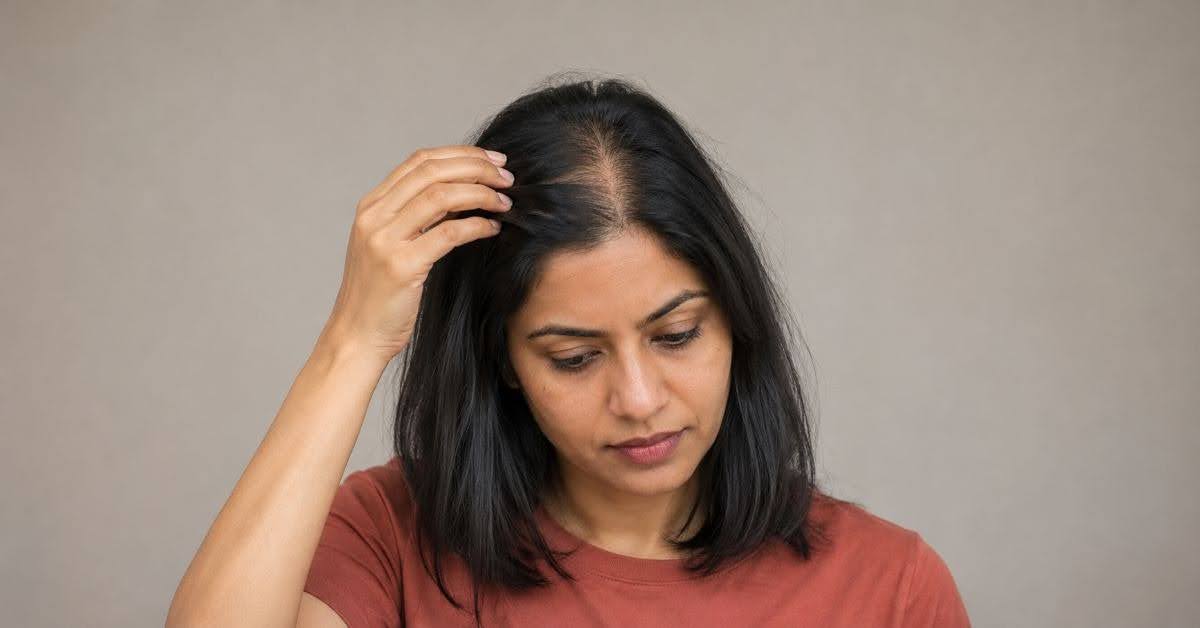
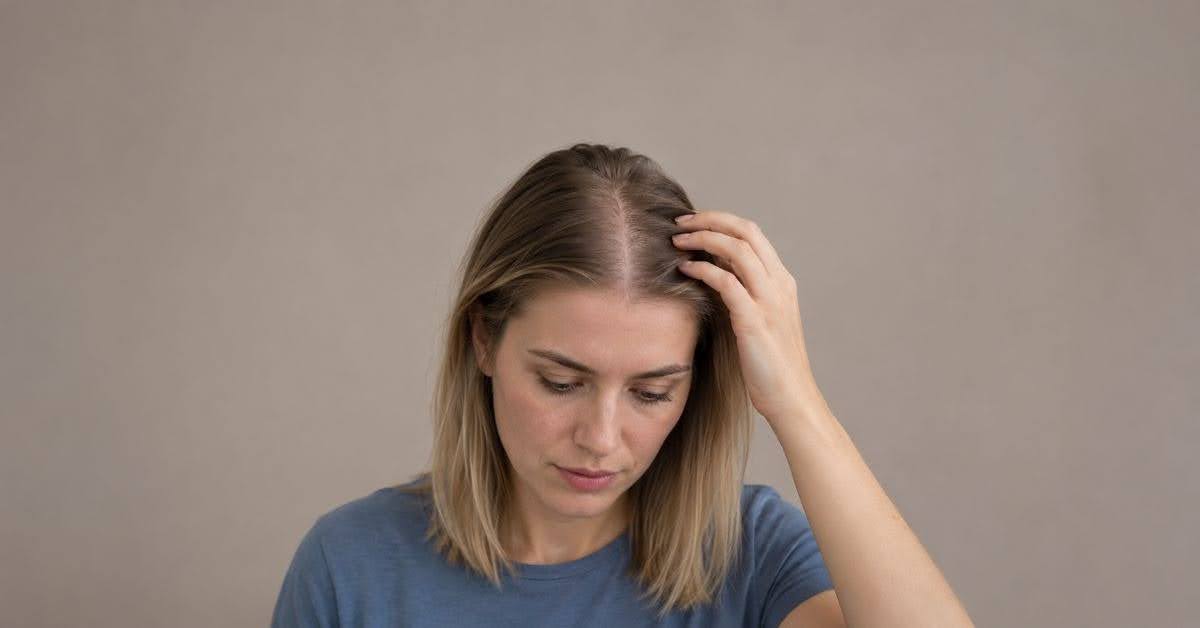
The most useful clues involve changes in scalp coverage and distribution, not the number of strands on a brush. A widening central part is one of the earliest and most reliable signs, often showing up before any other symptom.
Some women also notice a "Christmas tree" pattern, where thinning is more pronounced toward the front of the part. Other changes worth watching for in a mirror or in photos over time include:
- A gradually widening central part
- More visible scalp at the crown
- A noticeably thinner ponytail
- A mix of finer and thicker hairs in affected areas
- An intact frontal hairline despite thinning behind it
The scalp typically looks normal in female pattern hair loss, without significant inflammation, pain, crusting, or smooth bald patches. If any of those signs appear, they point toward a different or additional condition and warrant a closer look rather than an assumption of standard pattern thinning.

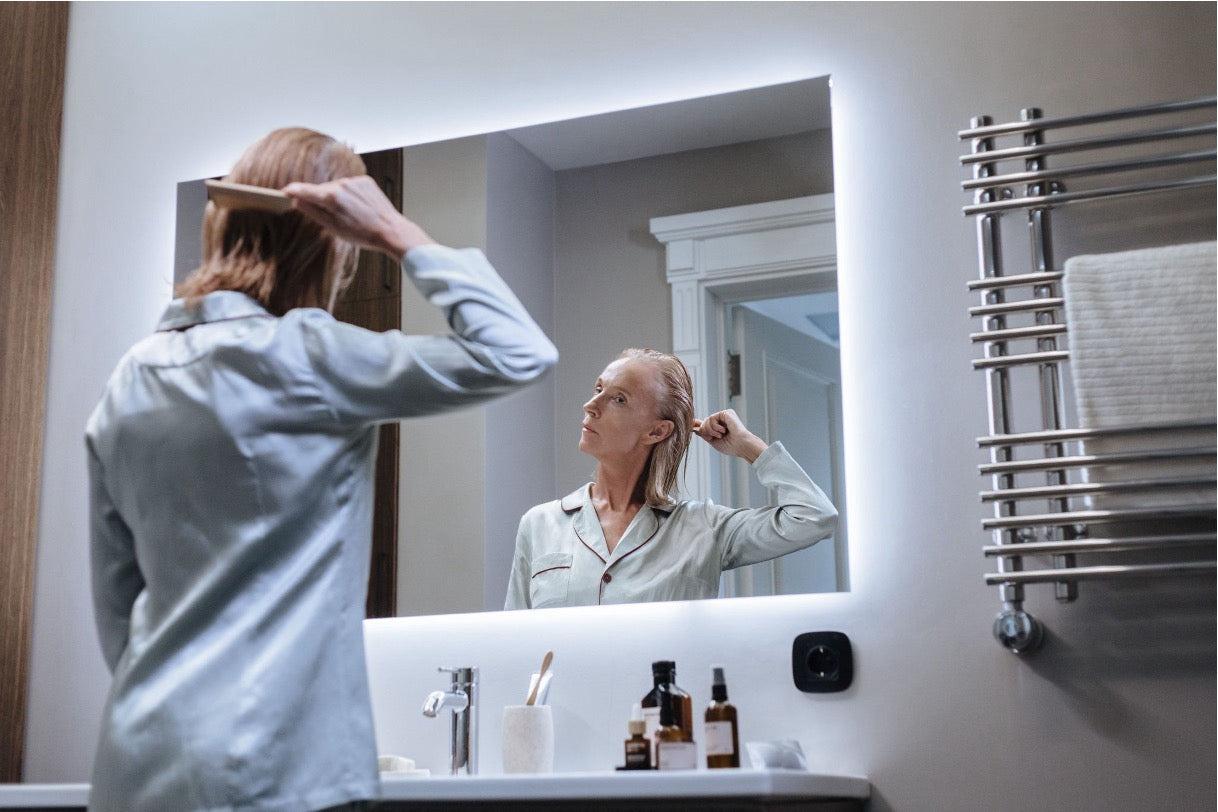
Checking your part each month makes gradual changes in scalp visibility easier to notice.
Treatment & Support Options for Female Pattern Hair Loss in Your 30s
Treatment for female pattern hair loss works best when it starts early and continues consistently, since the goal is to slow follicle miniaturization rather than reverse years of progression overnight. Options range from well-studied first-line medications to newer in-office procedures, and the right combination depends on severity, reproductive plans, and personal tolerance for side effects.
Topical Solutions
Topical minoxidil is usually the first-line treatment for female pattern hair loss. Common regimens include a 2% solution used twice daily or a 5% foam used once daily, with both applied directly to the scalp.
A temporary increase in shedding can occur in the first two to eight weeks, and it typically takes six to twelve months of consistent use before the real response becomes clear. Minoxidil should be avoided during pregnancy, while trying to conceive, and during breastfeeding.
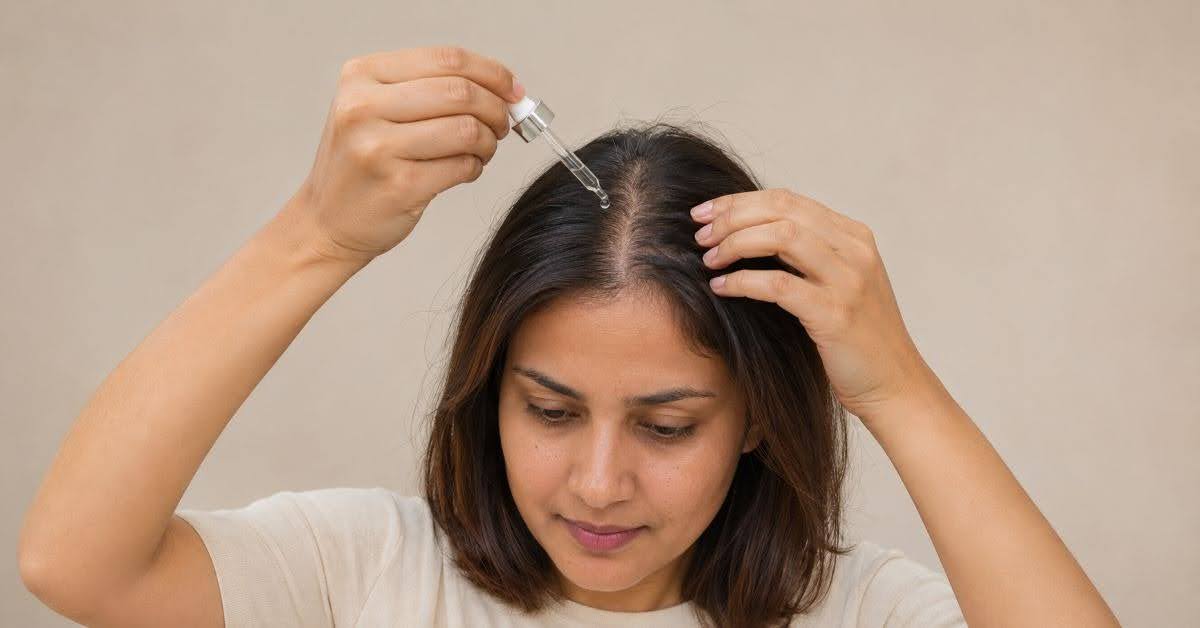
For women who prefer a non-medicated topical option, Trybello Hair Helper Spray Plus is a leave-in scalp spray support option made with Capixyl, a blend of red clover extract and a peptide, along with biotin and caffeine. Applied to areas where thinning shows, it works to build stronger, denser-looking hair over time and can fit into a consistent daily routine alongside other care.
Microneedling
Microneedling creates controlled, tiny punctures in the scalp and has been studied alongside treatments like topical minoxidil. Some research suggests an added benefit when combined with medication, but the evidence specifically for female pattern hair loss is still limited, so it should not be treated as a standalone cure.
For at-home care, the Trybello Derma Roller uses fine 0.25mm needles to gently stimulate the scalp and help topicals like Trybello Hair Helper Spray Plus absorb more evenly. Its shallow needles are designed for routine use on a clean, unirritated scalp, while deeper microneedling is performed in a clinic.
Low-Level Light & Laser Therapy
Low-level light or laser devices may improve hair growth for some women, functioning as an additional option rather than a replacement for established medical treatment. Continued use is generally necessary to maintain any benefit, and long-term effectiveness along with the best treatment schedule remains less certain than with topical minoxidil.
Platelet-Rich Plasma Injections
Platelet-rich plasma, or PRP, involves drawing a small amount of blood, concentrating the platelets, and injecting the preparation into the scalp. Some studies suggest improved density, making it a possible adjunct for selected patients, though preparation methods and injection schedules vary widely and there is no single established protocol.
Hair Transplantation
Hair transplantation moves follicles from donor areas to thinning areas and can improve coverage in carefully selected women. It is not appropriate for everyone, since diffuse thinning across the scalp can leave insufficient donor hair, and the procedure redistributes existing follicles rather than correcting the underlying tendency toward miniaturization.
Support Thinning Hair Early with Trybello Hair Helper Spray Plus

For best results, Trybello Hair Helper Spray Plus is massaged into thinning areas and left on for at least 30 minutes, or overnight when applied in the evening.
Female pattern hair loss in your 30s rarely announces itself with dramatic loss. It shows up quietly, in a part that looks a little wider or a ponytail that feels a little thinner, long before it becomes undeniable. Catching those early signs and responding with consistent care gives your hair its best chance to stay full.
Trybello Hair Helper Spray Plus contains Capixyl™, biotin, and caffeine to help strengthen and thicken hair as part of a daily scalp care routine. Its lightweight leave-in formula absorbs quickly and fits easily into any existing routine. Start your hair support regimen today and try it risk-free with our 120-Day Growth Guarantee.
Frequently Asked Questions (FAQs)

Trending Topics



*Disclaimer: Individual results may vary. The information provided in this article is for educational purposes only and is not intended as medical advice. Consult a healthcare professional before starting any new hair or lash care regimen, especially if you have sensitivities or underlying health conditions. Product pricing is subject to change. For full terms, visit Trybello.com.

See our latests posts #TRYBELLO